A dramatic new development in the escalating shadow conflict between Iran and the United States has emerged after footage and newly released images appeared to confirm the destruction of one of the most valuable components of the U.S. Army’s missile defence network in the Middle East.
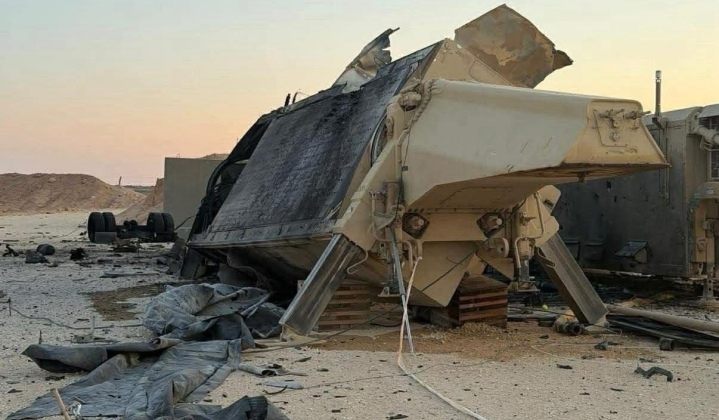
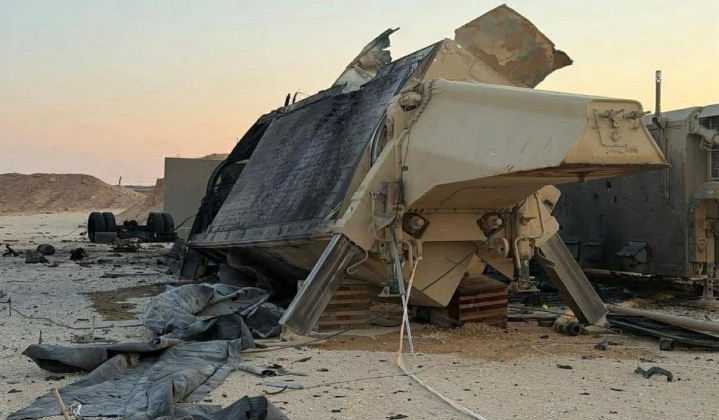
Images circulating online on March 7 appear to show the wreckage of a destroyed AN/TPY-2 X-band radar, the core detection system used by the Terminal High Altitude Area Defense (THAAD) missile defence system. According to the available evidence, the radar had been deployed at Muwaffaq Salti Air Base, a strategic U.S. military installation located in eastern Jordan.
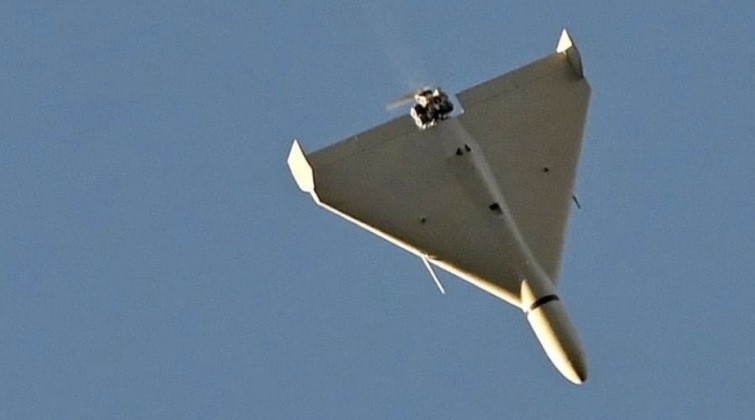
The radar was reportedly struck by an Iranian one-way attack drone, marking one of the most significant blows yet against the U.S. missile defence architecture in the region.
A Critical Component Destroyed
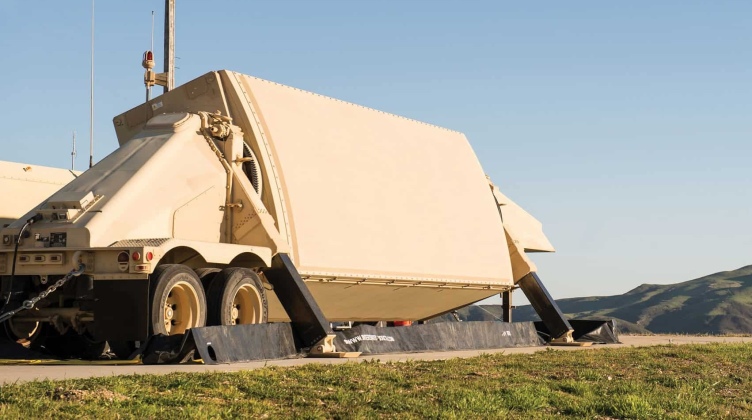
The destroyed AN/TPY‑2 radar is not just another military sensor. It is widely considered one of the most advanced missile tracking radars ever deployed by the United States.
Operating in the X-band frequency range, the radar is capable of detecting ballistic missile launches thousands of kilometers away and providing precise tracking data for interceptors. This data is then transmitted to missile defence systems such as THAAD, enabling them to calculate interception trajectories and destroy incoming ballistic missiles in the upper atmosphere.
Without this radar, a THAAD battery effectively loses its “eyes.”
Unlike some other air defence networks that use multiple radar systems working together, THAAD typically relies on a single AN/TPY-2 radar to search for and track targets. While the launchers can still fire interceptors using information from external sensors, their ability to independently defend airspace is dramatically reduced.
This means the destruction of the radar could significantly weaken missile defence coverage in parts of the Middle East.
Strategic Location of the Radar
The radar was positioned at Muwaffaq Salti Air Base, a base frequently used by the U.S. military for regional operations. From this location, the radar was able to monitor missile activity across large parts of the region, including potential launches from Iran.
The radar also reportedly contributed tracking data to missile defence networks protecting Israel and other U.S. allied forces across the region.
Satellite imagery earlier confirmed that a THAAD battery had been deployed at the base as part of a broader military buildup amid rising tensions between Iran and Israel.
Expensive System vs Cheap Drones
One of the most striking aspects of the incident is the extreme cost imbalance between the attacking weapon and the destroyed target.
Estimates place the cost of a single AN/TPY-2 radar between $550 million and $1 billion, depending on its configuration and supporting infrastructure.
By contrast, the type of one-way attack drone believed to have carried out the strike may cost as little as $20,000 to $60,000.
This highlights a growing challenge facing modern missile defence systems worldwide: relatively cheap unmanned systems are increasingly capable of destroying extremely expensive military equipment.
A Growing Pattern of Radar Attacks
The destroyed radar was reportedly not the only system targeted in recent operations.
Earlier strikes are said to have damaged another key missile defence sensor — the AN/FPS‑132 Block 5 radar located near Al Udeid Air Base.
This radar serves as a powerful early warning system that feeds tracking data into regional missile defence networks operated by the United States and its allies.
By targeting radars instead of interceptors or launchers, attackers can effectively blind entire missile defence systems.
THAAD’s Limited Global Numbers
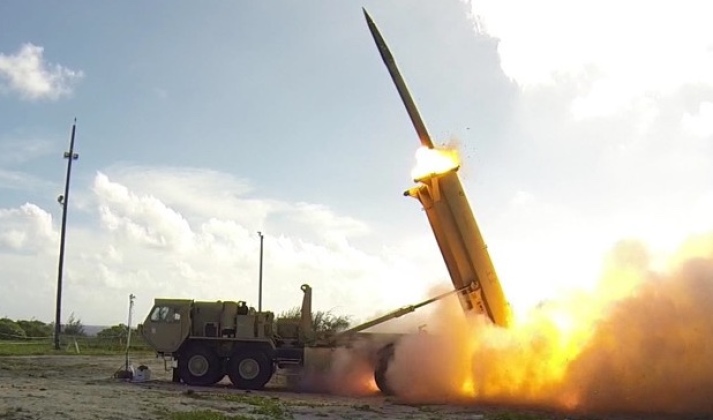
The U.S. Army currently operates only eight THAAD batteries worldwide, making each deployment extremely valuable.
These systems were heavily used during a major regional conflict in 2025 when Iranian ballistic missile strikes triggered a large-scale missile defence response.
During that conflict, more than 150 THAAD interceptors were fired to intercept incoming missiles.
Each interceptor is estimated to cost around $15.5 million, meaning the missile defence operations alone likely cost over $2.3 billion.
A New Challenge for Missile Defence
The destruction of a THAAD radar highlights a growing strategic challenge for the United States and its allies.
Missile defence systems were designed primarily to intercept ballistic missiles, not to defend themselves against large numbers of low-cost drones.
If adversaries continue to focus on targeting radars and command systems rather than the interceptors themselves, even the most advanced missile defence networks could face serious vulnerabilities.
With tensions across the Middle East continuing to rise, the battle between increasingly advanced missile defence systems and low-cost drone warfare may shape the future of modern air defence.
About The Author