China’s Liaoning carrier group transited the Miyako Strait on December 8 and conducted exercises near the Ryukyu Islands, prompting renewed security concerns in Tokyo, while Beijing describes the maneuvers as routine international waters training.
On December 8, 2025, China’s aircraft carrier Liaoning and its escort ships drew attention near Japan’s southwestern islands, according to Japan’s Ministry of Defense Joint Staff and Chinese media outlet Global Times. The carrier group’s transit through the Miyako Strait and subsequent northeast turn along the Ryukyu Islands has intensified debate between Tokyo and Beijing over the risks posed by close-proximity military activity in the western Pacific. Japan has framed the maneuvers and associated radar incidents as a growing security concern, while China maintains that the operations were routine training conducted in accordance with international law.
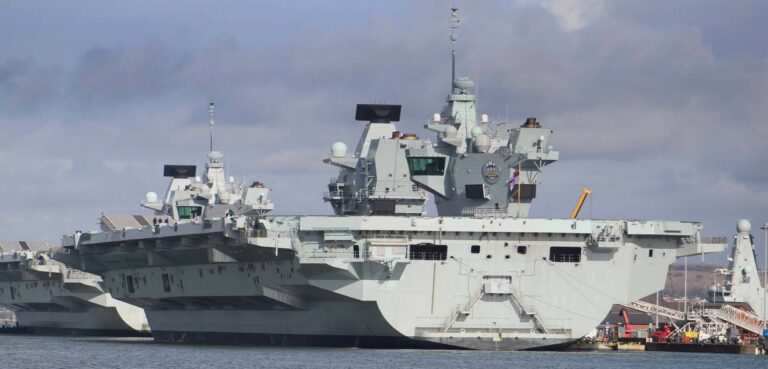
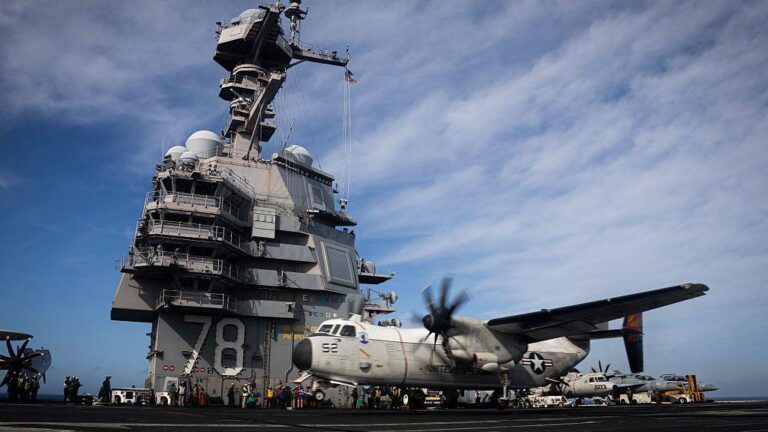
Japan’s Ministry of Defense reported that the Liaoning passed through the Miyako Strait on Saturday and turned northeast on Sunday. The formation included the carrier itself, the Type 055 large destroyer Nanchang, and two Type 052D destroyers. By Sunday, the group was operating in international waters approximately 190 kilometers east of Kikaijima Island. Japanese officials said that carrier aircraft conducted around 50 takeoffs and landings on both days, which Tokyo interprets as evidence of high-intensity training near Japanese airspace and sea lanes.
Chinese media offered a different perspective. Military commentator Zhang Junshe noted that the Liaoning has traditionally focused its drills in the southern and western parts of the western Pacific, and argued that moving into more northerly areas is a natural progression as China’s carrier force matures. Operating northeast of the Ryukyu Islands allows the group to familiarize itself with local sea and weather conditions affecting flight safety, anti-submarine warfare, and overall combat readiness. From Beijing’s viewpoint, the mission represents routine far-seas training rather than a deliberate signal to Japan.
Japan’s concerns were heightened by a related aerial incident. Defense Minister Shinjiro Koizumi and Prime Minister Sanae Takaichi accused Chinese J-15 fighter jets from the carrier of targeting Japanese F-15 jets with fire-control radar over international waters southeast of Okinawa. Tokyo described the conduct as dangerous and unacceptable, lodging a formal protest and warning that radar “lock-on” incidents increase the risk of miscalculation in congested airspace.
China firmly disputes Japan’s account. Defense Ministry spokesperson Zhang Xiaogang said the Liaoning group conducted pre-announced training east of the Miyako Strait in accordance with international law. He claimed that Japanese aircraft repeatedly approached the exercise area, interfering with Chinese operations, and accused Tokyo of misrepresenting the situation.
China’s Foreign Ministry echoed this position. Spokesperson Guo Jiakun stated that activating search radar during carrier training is routine to maintain situational awareness and flight safety. He argued that the core issue lies in Japanese fighter jets entering what China considers its exercise zone, conducting close reconnaissance, and then portraying themselves as victims. Beijing says it has lodged strong representations with Tokyo and called on Japan to halt dangerous interceptions and the spread of misleading information.
The episode reflects broader friction over military activity in the western Pacific. China maintains its carrier operations and air drills are lawful and part of a gradual shift toward sustained blue-water naval presence. Japan warns that frequent high-tempo Chinese exercises near its southwestern islands increase operational risks and complicate the defense of key maritime approaches. The Liaoning’s expanded training routes underscore Beijing’s ambition to project naval power deeper into the Pacific, while highlighting the importance of robust crisis-management mechanisms to prevent escalation.
About The Author