During the American Civil War, a group of 24 Union soldiers and civilians, known as Andrews’ Raiders, carried out a daring mission deep inside Confederate territory. Their objective was to infiltrate the South and disrupt railway and communication lines between Georgia and Tennessee. The mission was kept highly secretive; the raiders were told little about the full plan, only that success would severely damage the Confederate war effort, while capture would almost certainly mean death.
In April 1862, James J. Andrews, a civilian spy, led the group hundreds of miles into the South. Disguised in civilian clothes to avoid suspicion, the men traveled in small groups toward their rendezvous point outside Marietta, Georgia, in a town called Big Shanty. There, 22 of the raiders seized a Confederate locomotive named The General and began heading north toward Chattanooga, Tennessee. Along their route, they tore up sections of railroad track, cut telegraph wires, and attempted to burn bridges to disrupt Confederate supply lines.
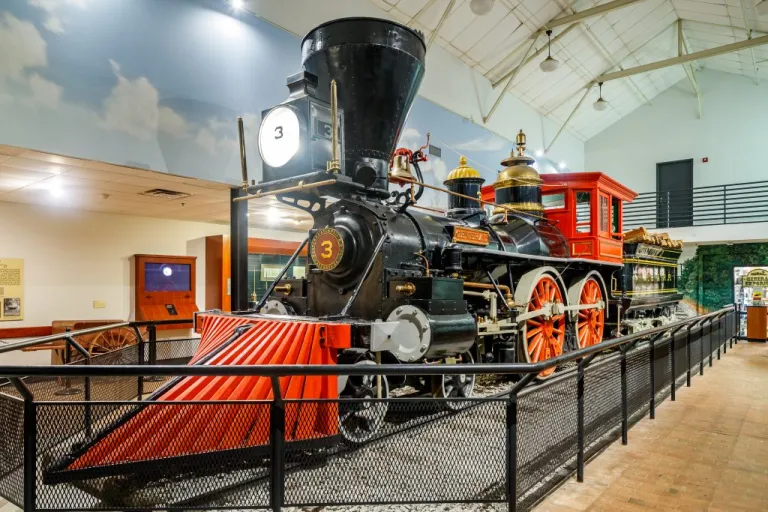
However, Confederate forces quickly reacted. They pursued the raiders first on foot, then by handcar, and eventually by another locomotive. Although Andrews’ Raiders had a head start, they faced delays from oncoming trains on the single-track rail. As their fuel ran low and Confederate troops closed in, the raiders were forced to abandon The General just 18 miles short of Chattanooga. Within days, thousands of Confederate soldiers and civilians joined the hunt, and after 12 days, all 22 men were captured.
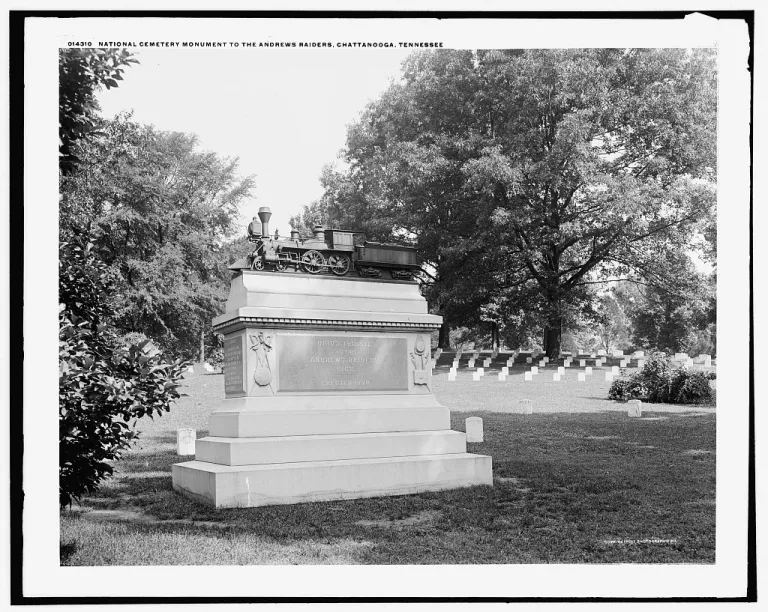
James J. Andrews and seven soldiers, including Privates George D. Wilson and Phillip G. Shadrach, were tried as spies and sentenced to death. On June 18, 1862, they were executed. Historical records describe Wilson’s final words before his execution—he reportedly told the Confederate crowd that he bore them no ill will and did not regret dying for his country, confident that the Union flag would soon fly over them again. His great-great-granddaughter, Theresa Chandler, later said reading those words gave her chills and deepened her respect for the sacrifice he and the others made.
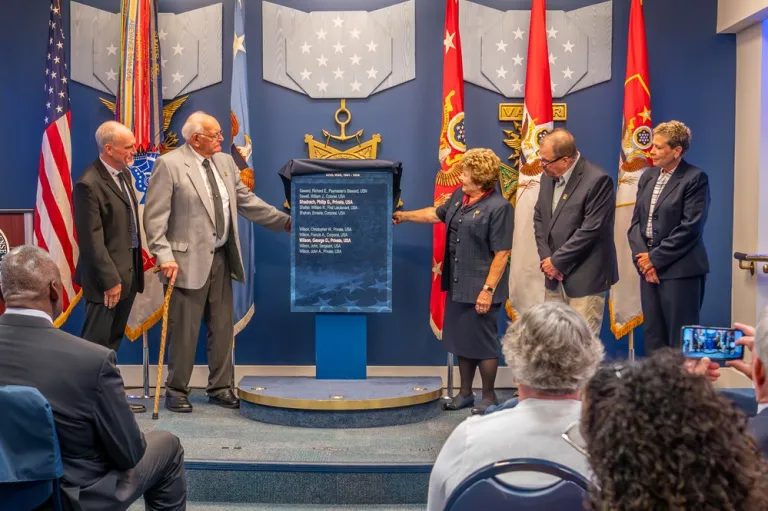
After the executions, the remaining imprisoned raiders attempted an escape, but only six were recaptured. In March 1863, these six men were released as part of a prisoner exchange and became the first soldiers in U.S. Army history to receive the newly created Medal of Honor, signed into law by President Abraham Lincoln less than a year earlier, on July 12, 1862. Each was also offered a commission as a first lieutenant. Over the following years, 13 additional members of the raid were awarded the Medal of Honor.
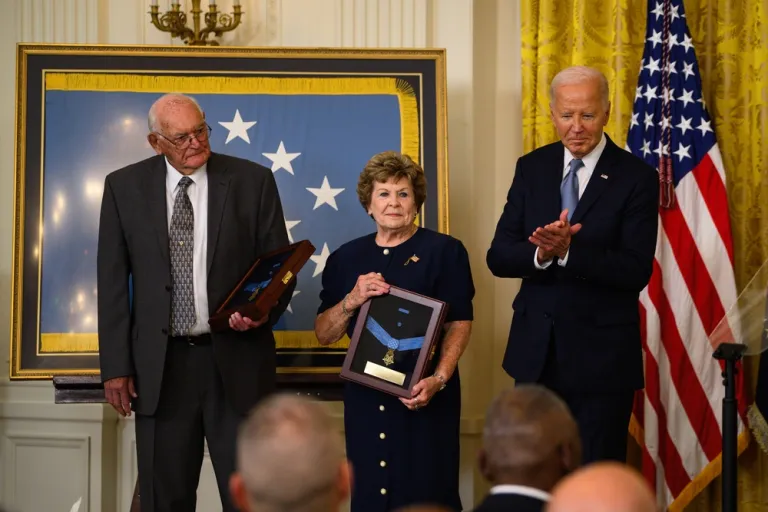
More than 160 years later, history was revisited. On July 3, 2024, President Joe Biden presented the Medal of Honor to the oldest living relatives of Privates George D. Wilson and Phillip G. Shadrach at the White House, finally recognizing their courage and sacrifice. Gerald Taylor, Shadrach’s great-great-nephew, said he was humbled to receive the award on behalf of his ancestor. With these honors, Wilson and Shadrach officially joined their fellow Andrews’ Raiders as recipients of the nation’s highest military award.
About The Author