India is reportedly preparing to acquire hundreds of Russian R-37M long-range air-to-air missiles in a move that could dramatically increase the strike reach of its Su-30MKI fighter fleet. The procurement plan comes after operational lessons learned during the 2025 India-Pakistan clashes, where long-range air defence systems proved decisive and highlighted the need for greater beyond-visual-range combat capabilities.
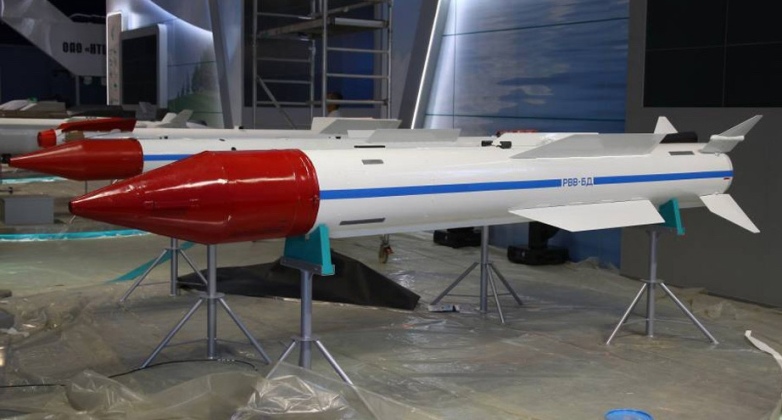
The Indian Air Force is considering a large-scale purchase of the Russian-made R-37M air-to-air missile, a weapon known for its extremely long engagement range and ability to target high-value aerial assets. According to multiple Indian defence reports, the plan involves acquiring several hundred missiles, which could significantly enhance the combat reach of the Su-30MKI, the backbone fighter of India’s air combat fleet.
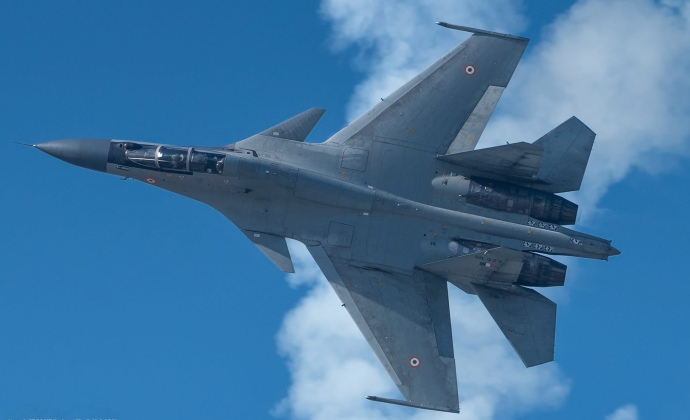
The Su-30MKI has served as the primary heavy fighter in India’s inventory for more than two decades. When it entered service in the early 2000s, the aircraft was widely regarded as one of the most capable fighters in the world. However, the rapid pace of technological advancements in regional air forces, particularly in China and Pakistan, has gradually narrowed its advantage.
Recent operational experiences appear to have accelerated New Delhi’s interest in strengthening the aircraft’s long-range combat capabilities.
During the May 2025 military confrontation between India and Pakistan, India reportedly relied heavily on its S-400 air defence system. The long-range 40N6 missiles used by the system were credited with engaging aerial targets at extremely long distances.
While the performance of the S-400 was widely praised within Indian defence circles, the clashes also exposed weaknesses in India’s air-to-air engagement capabilities. Indian fighter jets, including the Su-30MKI and Rafale, reportedly struggled against Pakistan’s newer Chinese-supplied J-10C fighters equipped with modern radar systems and long-range missiles.
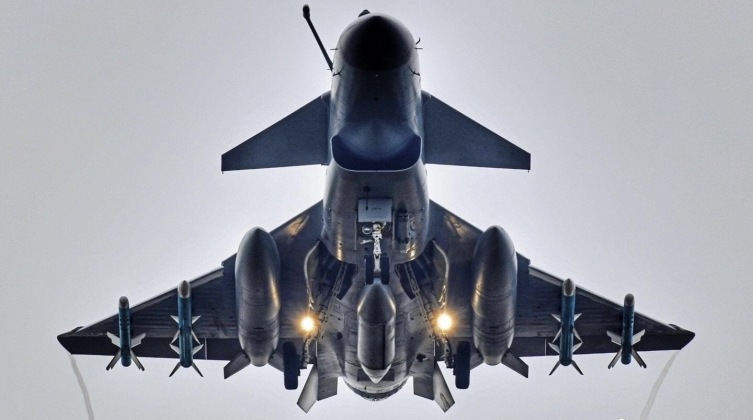
Indian analysts have suggested that these encounters highlighted the urgent need for longer-range air-to-air weapons that would allow Indian fighters to strike enemy aircraft before entering their engagement envelope.
This is where the R-37M missile could become a critical addition.
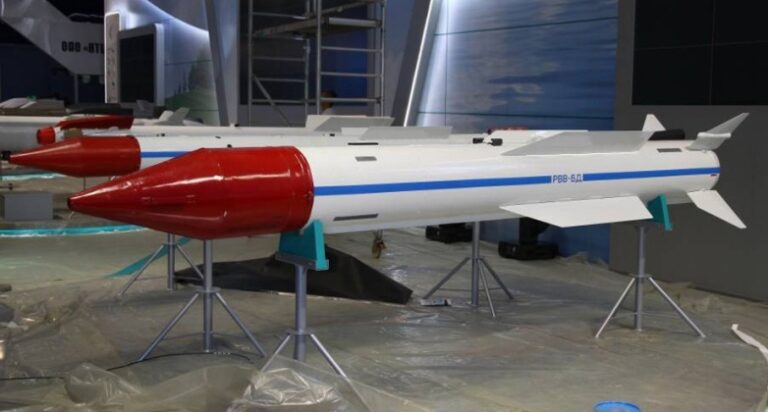
Originally developed in Russia for the high-speed MiG-31BM interceptor, the R-37M is designed specifically for engaging targets at extremely long distances. The missile’s primary mission is to destroy high-value aerial platforms such as airborne early warning aircraft, electronic warfare planes, tankers, and strategic bombers.
When launched from the MiG-31BM, which can fly at extremely high speeds and altitudes, the missile can reportedly reach targets up to 400 kilometres away. The aircraft’s speed and altitude provide additional kinetic energy to the missile, extending its engagement range.
However, when carried by other fighter jets such as the Su-30 or Su-35, the missile’s range is typically lower due to the aircraft operating at comparatively reduced speeds and altitudes. Analysts estimate that on the Su-30MKI the missile would still retain a formidable engagement range of roughly 300 to 350 kilometres.
Even at that reduced range, the weapon would still dramatically extend the engagement envelope of India’s fighters.
Such a capability would allow Su-30MKI aircraft to threaten critical airborne assets such as airborne early warning aircraft or aerial refueling tankers from very long distances. Destroying these platforms can have a significant impact on the enemy’s battlefield awareness and operational coordination.
Very few air forces currently operate air-to-air missiles with comparable range.
One of the few known equivalents is China’s PL-17, an ultra-long-range missile believed to be fielded exclusively by the People’s Liberation Army Air Force. The PL-17 is designed to perform a similar mission — eliminating high-value airborne targets far behind enemy lines.
India had previously been exploring the development of its own ultra-long-range missile through a joint program involving the BrahMos Aerospace company. The proposed weapon was expected to have a range of around 500 kilometres, placing it in the same category as the Chinese PL-17.
However, such development programs typically require years of research, testing, and integration before becoming operational.
By choosing to procure the R-37M from Russia, India could significantly accelerate the timeline for upgrading its long-range aerial engagement capabilities.
The timing of the missile procurement discussions also coincides with India’s broader modernization plans for the Su-30MKI fleet.
In late February, India confirmed that it intends to proceed with a major upgrade program for its Su-30MKI fighters. The modernization effort is expected to initially focus on 84 aircraft out of the more than 270 Su-30MKI fighters currently in service.
The upgrades are likely to include improvements to radar systems, avionics, electronic warfare equipment, and weapons integration.
Integrating the R-37M missile into this modernization package would significantly enhance the aircraft’s ability to conduct long-range interception and aerial denial missions.
There is also speculation that the missile could eventually be integrated with India’s potential future fleet of Su-57 fifth-generation fighters.
Negotiations between India and Russia regarding the procurement or licensed production of the Su-57 have reportedly advanced in recent months. In early 2026, Indian defence officials confirmed that technical discussions regarding the aircraft had reached an advanced stage.
Russia has reportedly offered India an unprecedented level of cooperation, including full access to the aircraft’s source code as part of a potential license-production agreement.
Such access could allow India to integrate its own weapons, avionics, and sensors into the aircraft.
Meanwhile, Russian developers are also believed to be working on a smaller version of the R-37M, known under the Izdeliye 810 program. This miniaturized missile is intended to fit inside the internal weapons bays of stealth aircraft such as the Su-57 while retaining a very long engagement range.
If India ultimately acquires the Su-57, a derivative of the R-37M could potentially become one of its primary long-range air-to-air weapons.
For now, however, the immediate focus appears to be strengthening the capabilities of the Su-30MKI fleet, which will likely remain the backbone of India’s air power for many years.
If the reported procurement goes forward, the addition of the R-37M missile could mark one of the most significant upgrades to India’s air-to-air combat capability in recent years.
About The Author