Israel Claims Destruction of Iran’s Remaining F-14 Tomcats in Major Strike on Isfahan Air Base
A major air strike in central Iran has reportedly targeted one of the most iconic aircraft fleets still flying anywhere in the world — Iran’s aging but historically significant Grumman F-14 Tomcat fighter jets.
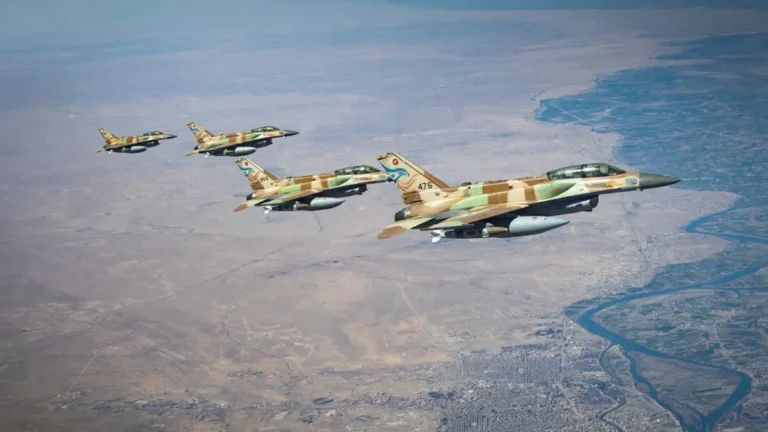
According to the Israel Defense Forces (IDF), Israeli aircraft struck facilities at the Isfahan Air Base early on March 8, claiming the attack destroyed several Iranian Tomcats believed to be stationed there. The strike was reportedly carried out as part of Operation Roaring Lion, a broader campaign aimed at weakening Iran’s air power and expanding Israeli aerial dominance over the region.
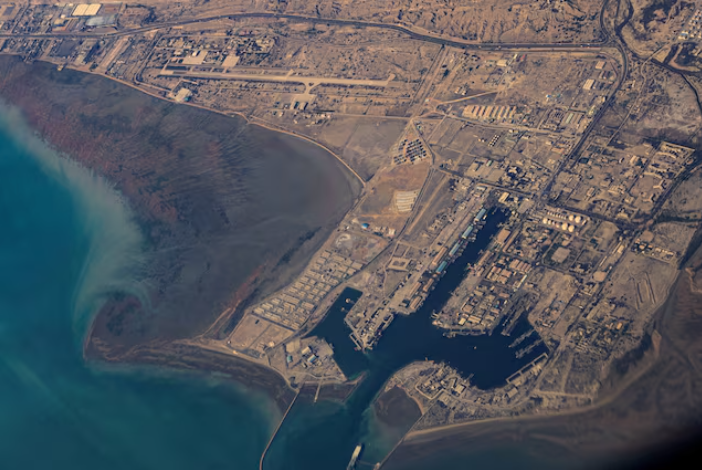
The targeted facility, officially known as the 8th Tactical Fighter Base, has long been considered the primary home of Iran’s remaining operational F-14 fleet. The base hosts the 81st, 82nd, and 83rd Tactical Fighter Squadrons, units historically associated with operating the legendary interceptor.
Israeli Military Statement
In a message posted on social media, the IDF stated that Israeli Air Force aircraft struck storage sites at the Isfahan airport where F-14 fighter jets were reportedly located.
According to the statement, the attack was guided by Israeli military intelligence and formed part of a broader wave of air force strikes targeting Iranian military infrastructure.
The statement also claimed that systems used to detect and defend against Israeli aircraft were hit during the operation.
The strike followed another reported attack two days earlier that targeted aircraft linked to Iran’s Islamic Revolutionary Guard Corps Quds Force at Mehrabad Airport, where Israeli sources say 16 aircraft were destroyed.
Israeli officials said the objective of these strikes is to gradually dismantle Iran’s air defense network and ensure long-term aerial superiority across Iranian territory.
A Symbolic Target
While Israeli strikes on Iranian air assets are not entirely new, the latest attack appears particularly significant because of the aircraft involved.
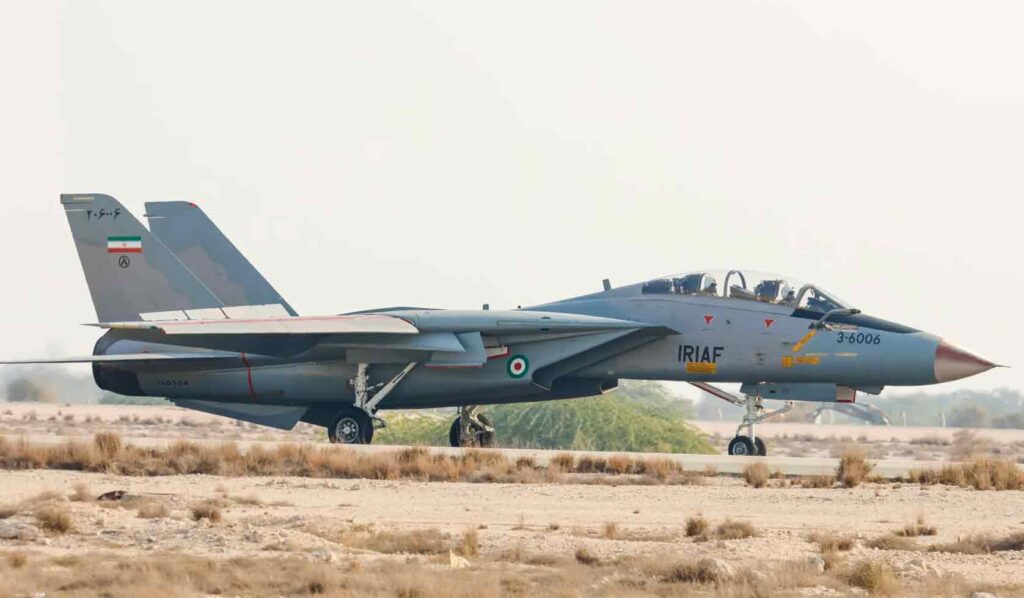
Iran’s fleet of Grumman F-14 Tomcat fighters is unique in the world.
The aircraft were originally purchased from the United States in the 1970s during the reign of Mohammad Reza Pahlavi, the Shah of Iran. At the time, Iran was one of Washington’s closest regional allies and ordered 80 Tomcats for its air force.
Seventy-nine aircraft were delivered beginning in 1976, making Iran the only country outside the United States to operate the powerful long-range interceptor.
After the Iranian Revolution of 1979, relations between Tehran and Washington collapsed. The newly formed Islamic Republic of Iran Air Force (IRIAF) inherited the aircraft but was cut off from American spare parts and technical support.
Despite these obstacles, Iran managed to keep the aircraft flying for decades, turning them into a symbol of resilience and technical improvisation.
The World’s Last Flying Tomcats
The United States Navy officially retired the F-14 in 2006, replacing it with newer fighters such as the F/A-18E/F Super Hornet.
Since then, Iran has remained the only operator of the legendary jet.
For years, analysts have debated how many Iranian Tomcats were still operational. Estimates typically suggested that between 20 and 30 aircraft remained airworthy, with additional airframes used as spare-parts sources.
Iran has reportedly upgraded some of these aircraft under the F-14AM modernization program, replacing certain American components with locally produced systems.
These upgrades are believed to include indigenous radar modifications, electronic warfare systems, and integration with several missiles.
Among the weapons reportedly used by Iranian F-14s are the Russian R-73 missile, the American AIM-7 Sparrow, and the locally produced Fakour-90 missile, which Iran says is derived from the original AIM-54 Phoenix long-range air-to-air missile.
Operational Status of Iran’s F-14s
Within the Iranian Air Force, the remaining Tomcats are believed to be divided into two operational categories.
Some aircraft are listed as partially mission-capable and are primarily used for training or limited operational roles. Others are considered fully mission-capable, meaning they have functional radar, weapons systems, and navigation equipment.
These fully operational aircraft have reportedly been maintained for quick-reaction alert missions, ready to scramble if Iranian airspace is threatened.
Military observers previously estimated that roughly 70 percent of Iran’s airworthy Tomcats could be considered fully mission capable during periods of heightened tension.
Earlier Israeli Strike on Iranian Tomcats
This is not the first time Israeli forces have claimed to destroy Iranian F-14s.
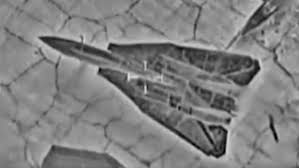
In June 2025, Israel released footage showing a drone strike targeting two Tomcats parked at an airport in Tehran.
Those aircraft were believed to be non-operational and had appeared in satellite imagery for years. Even so, the strike carried symbolic value because the aircraft represented the final operational fleet of a fighter jet once synonymous with American naval aviation.
Strategic Importance of Isfahan Base
The 8th Tactical Fighter Base in Isfahan has long been considered the central hub for Iran’s F-14 operations.
Satellite imagery and defense reports have frequently shown Tomcats stationed there, and the base has played a key role in maintaining the aircraft since the 1980s.
If Israeli claims are accurate and the majority of the remaining aircraft were destroyed, it could mark the effective end of operational F-14 service worldwide.
However, some analysts caution that Iran may have relocated or hidden certain aircraft in hardened shelters or underground facilities.
Until independent verification emerges, the exact extent of the damage remains unclear.
A Long Operational History
Despite their age, Iranian Tomcats have remained active in several roles over the decades.
During the Iran–Iraq War, the aircraft reportedly scored numerous air-to-air victories using long-range missiles.
More recently, they have occasionally appeared in high-profile escort missions.
In 2015, Iranian F-14s escorted Russian Tupolev Tu-95 strategic bombers flying through Iranian airspace on their way to strike targets in Syria.
Another unusual appearance occurred in 2023 when an Iranian Tomcat joined Russian Sukhoi Su-35 fighters escorting a presidential aircraft carrying Russian leader Vladimir Putin during a Middle East visit.
The Possible End of an Era
If the latest Israeli strike indeed destroyed most or all of Iran’s remaining Tomcats, it could mark the end of a remarkable aviation story spanning half a century.
The Grumman F-14 Tomcat was once one of the most advanced fighter jets ever built, famous for its variable-sweep wings, powerful radar, and long-range missiles.
For decades after the aircraft disappeared from American service, Iran continued flying the last remaining examples.
Now, with the latest reported strike on the Isfahan base, the final chapter of the Tomcat’s operational history may be coming to a close.
About The Author