On December 16, 2025, U.S. President Donald Trump announced a total blockade on sanctioned Venezuelan oil tankers, citing allegations of drug trafficking and illicit financing linked to Nicolás Maduro’s government. The move targets all sanctioned shipments, including those bound for China, and follows the recent U.S. seizure of a large tanker carrying Venezuelan crude. The blockade, combined with expanded sanctions and a heightened U.S. military presence in the Caribbean, underscores Washington’s multi-layered strategy to pressure Venezuela.
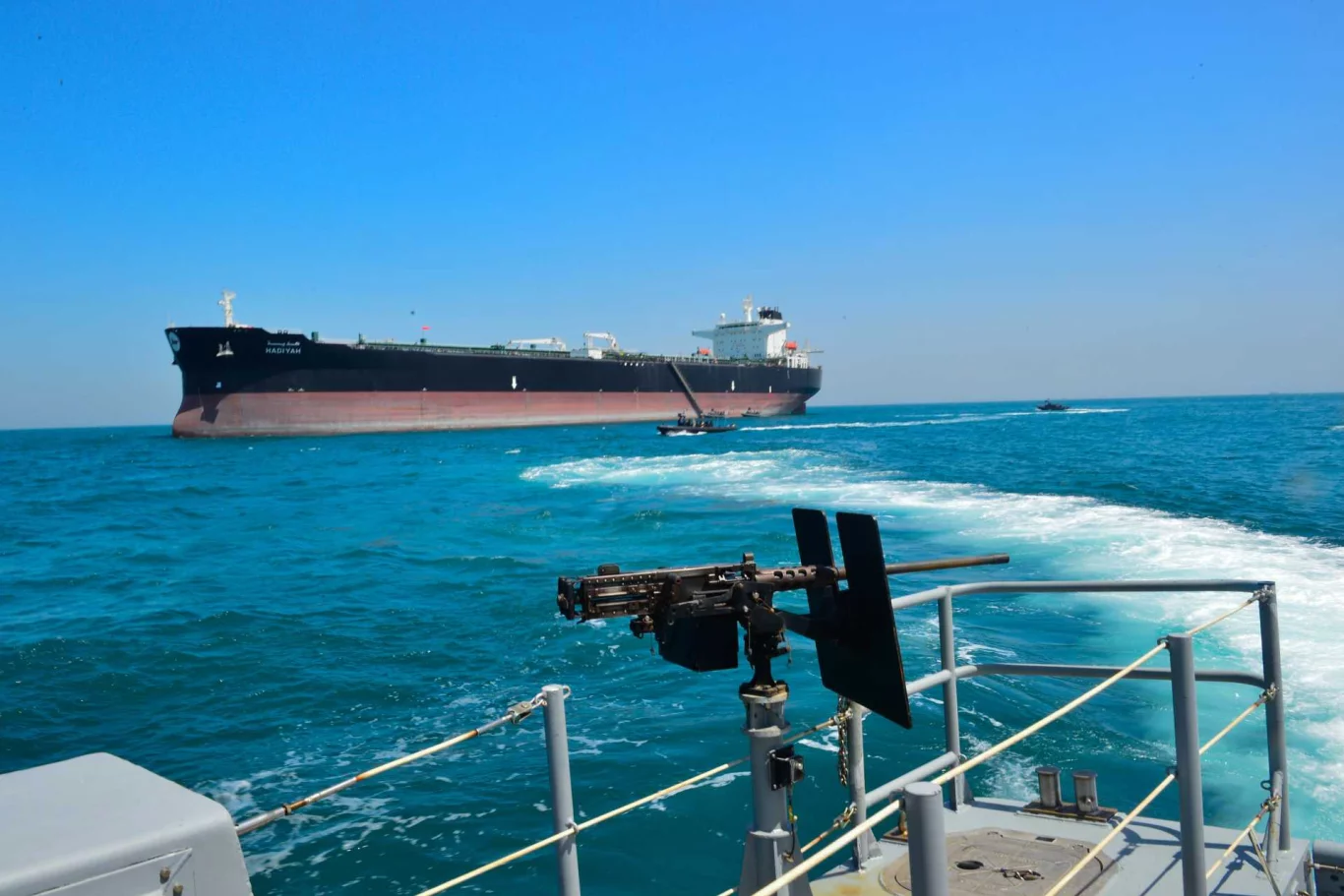
On December 16, 2025, U.S. President Donald Trump announced a total blockade on sanctioned oil tankers transporting Venezuelan crude, citing allegations of drug trafficking and illicit financing linked to Nicolás Maduro’s government. The measure targets all sanctioned tankers traveling to or from Venezuela and warns that countries continuing to purchase Venezuelan oil, including China, could face consequences such as cargo seizure. Venezuelan authorities condemned the move as a violation of sovereignty and international navigation.
Financial markets reacted immediately, with U.S. crude futures rising over 1 percent and Brent and WTI recording short-term gains, reflecting uncertainty over Venezuelan supply. Analysts note that while enforcement could tighten heavy crude markets, global supply remains broadly sufficient. Estimates suggest potential price increases of $5–8 per barrel if lost Venezuelan exports are not replaced.
The blockade follows the recent U.S. seizure of the Very Large Crude Carrier Skipper, a sanctioned tanker carrying roughly 1.1–2 million barrels of Merey heavy crude, valued at about $95 million. The U.S. moved the tanker to a U.S. port under legal procedures, while Venezuela denounced the operation as theft.
Following the seizure, oil companies and tanker operators exercised extreme caution, delaying voyages and remaining in Venezuelan waters to avoid interception. Around 18 sanctioned tankers reportedly stayed near Venezuelan ports, reflecting concerns over legal exposure, insurance, port access, and crew safety. The U.S. has continued expanding its sanctions list, affecting hundreds of vessels and intermediaries.
Oil exports remain Venezuela’s economic lifeline, averaging 750,000 barrels per day this year, with production near 1 million barrels per day. China is the largest buyer, and Venezuela relies on a shadow fleet of several hundred to over a thousand vessels to bypass sanctions, using opaque ownership, limited insurance, blending, and ship-to-ship transfers. Chevron is a key exception, producing roughly 300,000 barrels per day under strict U.S. oversight.
The U.S. has also expanded sanctions against Venezuelan-linked assets and individuals, aiming to restrict access to shipping, insurance, and international banking. These measures complement maritime interdiction and limit alternative export routes. Venezuelan airspace has been closed by U.S. authorities, further restricting movement.
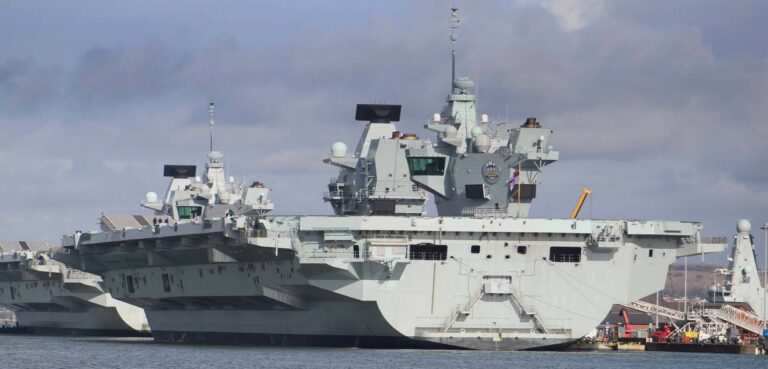
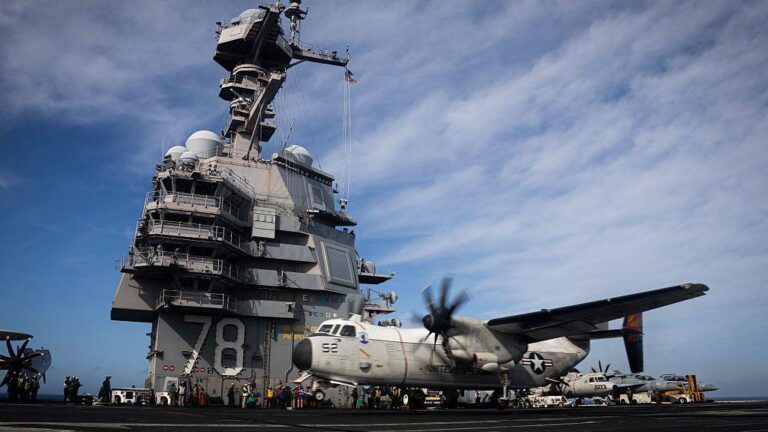
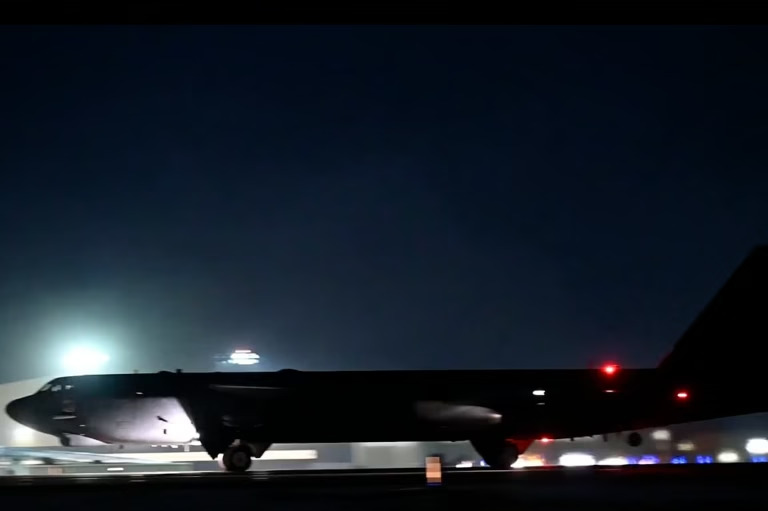
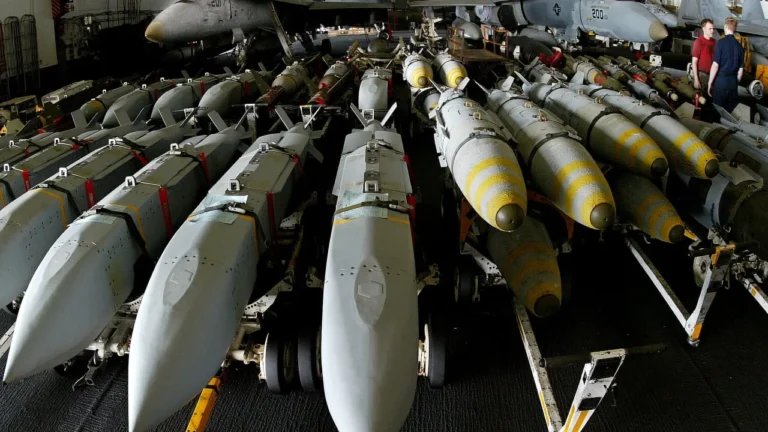
The blockade coincides with a significant U.S. military presence in the Caribbean, including nearly a dozen warships, an aircraft carrier, amphibious ships, helicopters, V-22 Ospreys, and P-8 Poseidon maritime patrol aircraft. Air and maritime surveillance have been reinforced, while U.S. regional commands have increased land readiness. Venezuela has responded with internal mobilizations and exercises, though U.S. forces maintain a significant advantage.
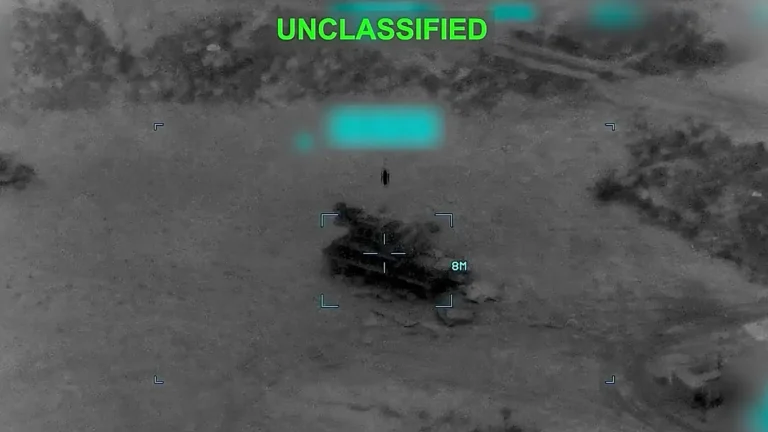
These actions overlap with Operation Southern Spear, a U.S. campaign targeting suspected drug trafficking in the region. Since September, U.S. forces have struck vessels allegedly carrying narcotics, resulting in high casualties and preventing drugs from reaching the U.S. Together with sanctions and the blockade, these measures form a multi-layered pressure strategy combining legal, economic, and military tools.
About The Author