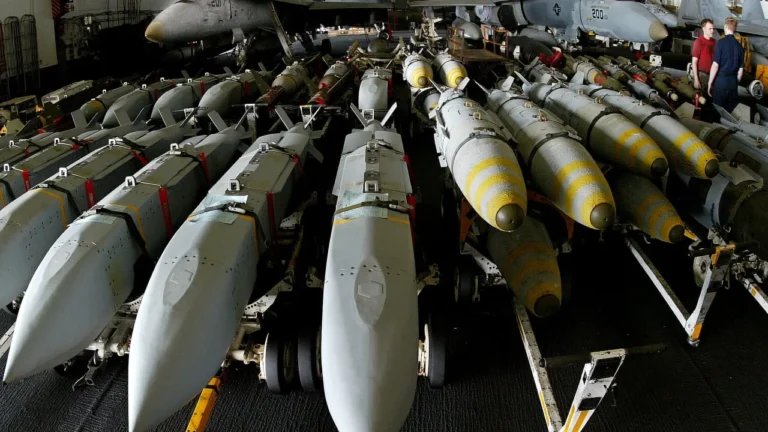
The North American X-15, a key asset in the U.S. space program, achieved remarkable performance using the technology available in the 1950s and 1960s.
The North American X-15 was designed for one goal: achieving extreme speeds at the edge of space. A critical part of data collection for the U.S. space program, this rocket-powered, bullet-shaped aircraft showcased remarkable performance using 1950s and 60s technology. Though often overshadowed by other space programs, the X-15 provided essential information on how space travel affects pilots and spacecraft, with many test pilots earning astronaut wings. Across 199 flights, the aircraft set speed and altitude records after being air-launched from Boeing B-52 bombers.
Development and Design
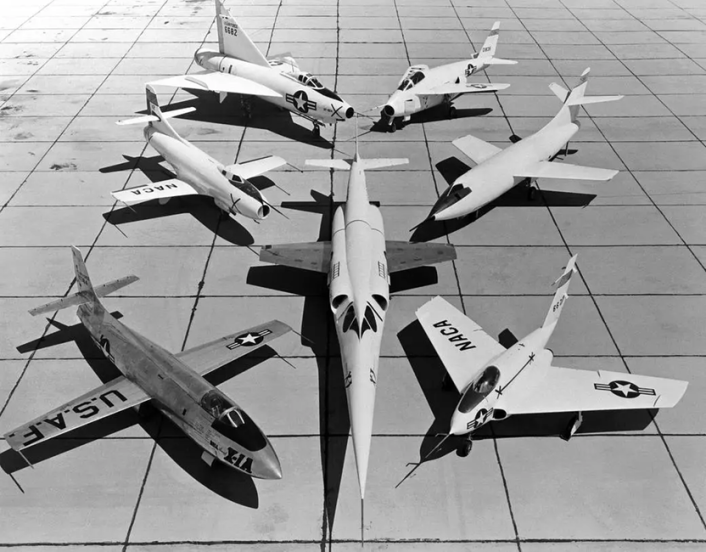
In 1952, the National Advisory Committee for Aeronautics (NACA) initiated studies on high-altitude and high-speed flight, leading the U.S. Air Force (USAF) and Navy (USN) to conduct feasibility studies. By 1954, North American Aviation (NAA) was awarded the contract for Project 1226, later designated X-15.
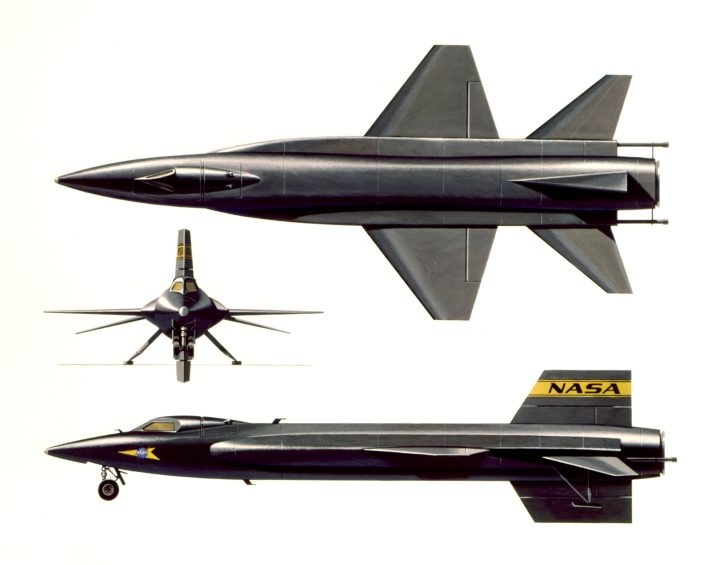
The X-15 featured a 50-foot cylindrical fuselage, 22-foot wingspan, and heat-resistant Inconel-X skin. Landing used gravity-deployed skids, while pilots wore pressure suits with ejection seats instead of escape capsules. Because traditional control surfaces were ineffective in near-vacuum conditions, the aircraft used Reaction Control System thrusters.
Propulsion
The initial XLR11 engines provided 16,000 lbf of thrust, underpowered for the X-15’s potential. The later XLR99 engine, generating 57,000 lbf, allowed speeds exceeding Mach 6 and altitudes up to 250,000 ft, burning 15,000 lbs of propellant in just 80 seconds. Delays and cost overruns pushed engine costs to $68 million, exceeding five times the original projected budget.
Rollout and Operations
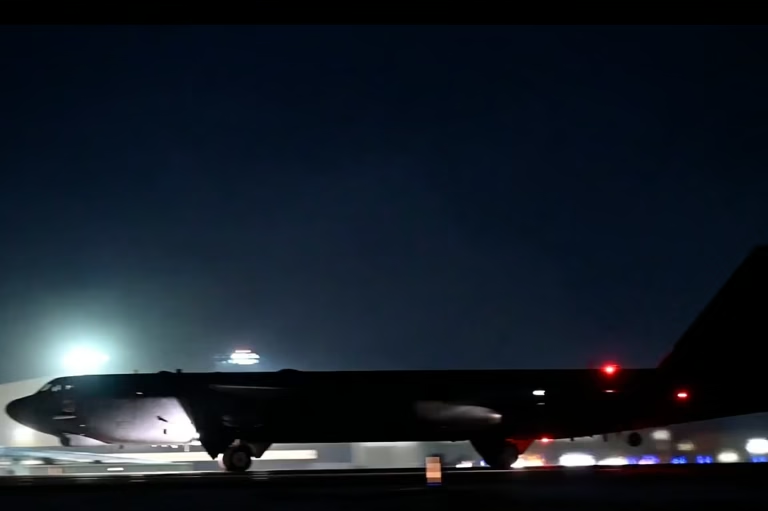
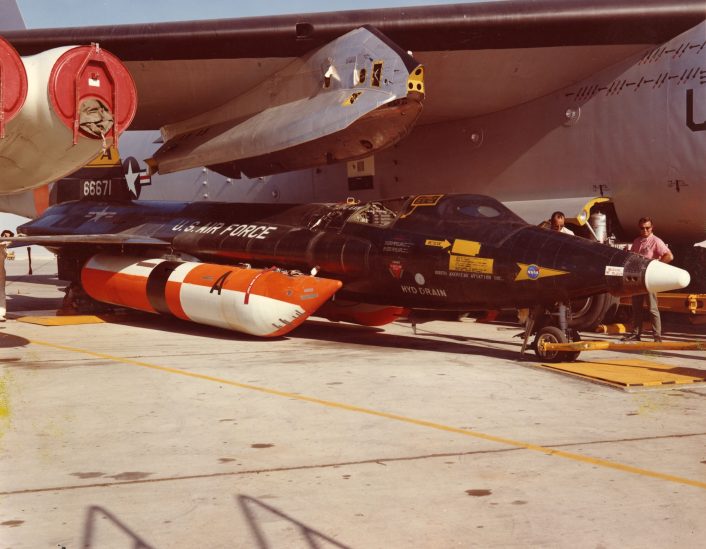
NASA, formed in 1958, inherited the program just before the rollout of the first X-15. Three aircraft were eventually built, with the final model equipped with the XLR99 engine and advanced flight controls. The X-15 was carried aloft by modified B-52 bombers, released at 45,000 ft, and ignited for short rocket-powered flights of 8–12 minutes before gliding to a landing.
Records and Achievements
- Scott Crossfield performed the first glide (June 8, 1959) and powered flight (Sept. 17, 1959), reaching Mach 2.97 and 88,116 ft.
- Joseph A. Walker became the first pilot to exceed Mach 3 and cross the Kármán line, setting a piloted altitude record of 354,200 ft in 1963.
- Robert M. White became the first pilot to surpass Mach 4, Mach 5, and fly above 100,000 ft, eventually reaching Mach 6.04 and 314,750 ft.
- William J. Knight set the current record for piloted winged vehicles at Mach 6.7 (4,520 mph) in 1967 using the X-15A-2 with external fuel tanks.
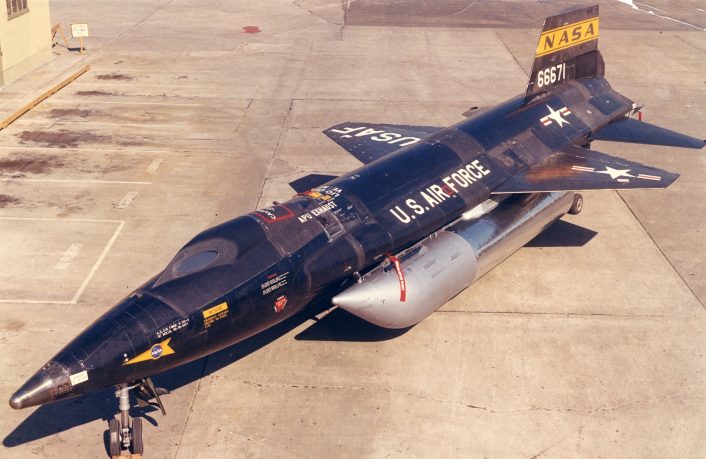
Thirteen flights by eight X-15 pilots qualified them for astronaut wings. The program advanced research in aerodynamics, thermal protection, human physiology, and hypersonic flight, directly contributing to Apollo and Space Shuttle programs. Notable pilots such as Neil Armstrong, Joe Engle, and Michael J. Adams (posthumously awarded astronaut wings) gained valuable experience for future space missions.
Retirement and Legacy
The X-15 program ended in December 1968, just as the Apollo 8 mission launched. X-15-1 is now displayed at the Smithsonian National Air and Space Museum in Washington, D.C., and the X-15A-2 at the National Museum of the U.S. Air Force in Dayton, Ohio. The aircraft remains a symbol of innovation, shaping the future of spaceflight and hypersonic aviation.
About The Author