The fragile peace along NATO’s eastern frontier was shattered once again late last night, as the distinct roar of afterburners pierced the skies over southeastern Romania. In a scenario that has become disturbingly familiar for residents living in the shadow of the Ukraine war, the Romanian Air Force was forced to scramble its F-16 Fighting Falcons, joined by Allied Eurofighter Typhoon jets, to intercept an unauthorized aerial intrusion near the Black Sea coast. The incident serves as a stark reminder of the escalating tension on the alliance’s periphery, where the spillover from the conflict next door threatens to turn accidental breaches into international crises.
According to the Romanian Ministry of National Defense, the alert chain was triggered when military radar systems picked up a “small aerial target”—military shorthand that increasingly refers to the expansive use of attack drones in the region. The object was tracked moving off the Black Sea and heading toward the rugged, marshy terrain of the Danube Delta, specifically between the coastal counties of Constanța and Tulcea. These areas have become unwitting frontlines, sitting just across the river from Ukrainian grain ports that are frequent targets of Russian bombardment.
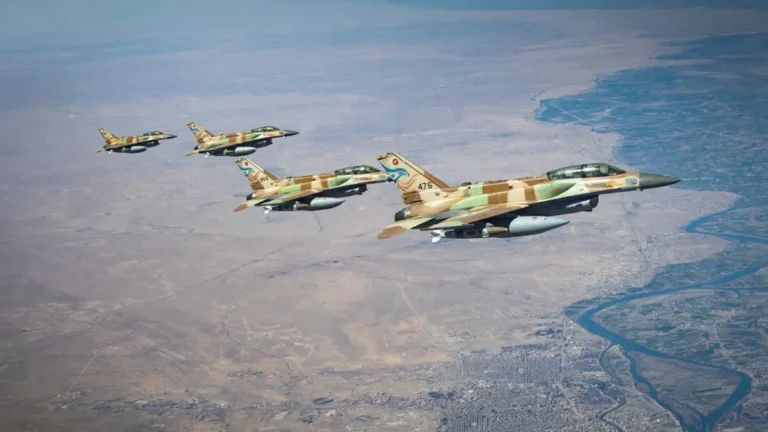
The response was immediate and forceful, showcasing the heightened state of readiness that defines NATO’s current posture in the region. Romanian F-16s took off from the 86th Air Base in Borcea, while Eurofighter Typhoons—deployed by allied nations to bolster the Air Policing mission—launched from the 57th Air Base at Mihail Kogălniceanu. For the pilots, these are high-stakes sorties. The mission is not just to observe but to be ready to engage if the target shows hostile intent toward NATO territory. While the jets patrolled the dark skies, scanning for a visual on the intruder, the ground reality for civilians was far more visceral.
Residents in the affected counties were woken by the jarring sound of RO-Alert notifications on their phones, warning them of the potential for falling objects. This psychological toll is often the overlooked aspect of these breaches. For the people of Tulcea and Constanța, the war is not a distant headline; it is a nightly hazard that sends families rushing away from windows or into shelters. The alert remained active for nearly an hour before the radar signature was lost, and the “all clear” was eventually signaled. Preliminary investigations by ground teams have been dispatched to scour the impact zone for debris, a routine that has played out dozens of times as stray drones or their wreckage drift across the border.
This specific breach underscores the immense strain being placed on NATO’s Eastern Flank. The Black Sea region has evolved into a cauldron of electronic warfare, drone activity, and naval posturing. For Romania, the challenge is twofold: maintaining sovereignty without escalating the conflict. Every time a drone crosses the line, military commanders must make split-second decisions in a gray zone of engagement. Is it a targeted attack? Is it a malfunctioning drone drifting off course? Is it a decoy? The deployment of both national and allied fighters demonstrates that NATO is taking no chances, preferring a show of overwhelming defensive force to complacency.
The incident also highlights the operational tempo required to maintain this shield. Keeping jets ready to launch at a moment’s notice, night after night, wears down both airframes and pilots. It is a logistical marathon that requires constant rotation of allied assets and seamless integration between different air forces. The Eurofighters flying alongside Romanian F-16s symbolize the “one sky” concept of the alliance, but they also symbolize the heavy reliance on collective defense to plug the gaps in a volatile airspace.
As daylight broke over the Danube Delta, the immediate danger had passed, but the strategic anxiety remained. Military analysts suggest that as long as the bombardment of Ukrainian river ports continues, these incursions will persist, testing the patience and protocols of NATO defense systems. This latest scramble is not just a localized event; it is a signal flare regarding the deteriorating security environment in Eastern Europe, where the margin for error is shrinking with every drone that strays too close to the border.
About The Author