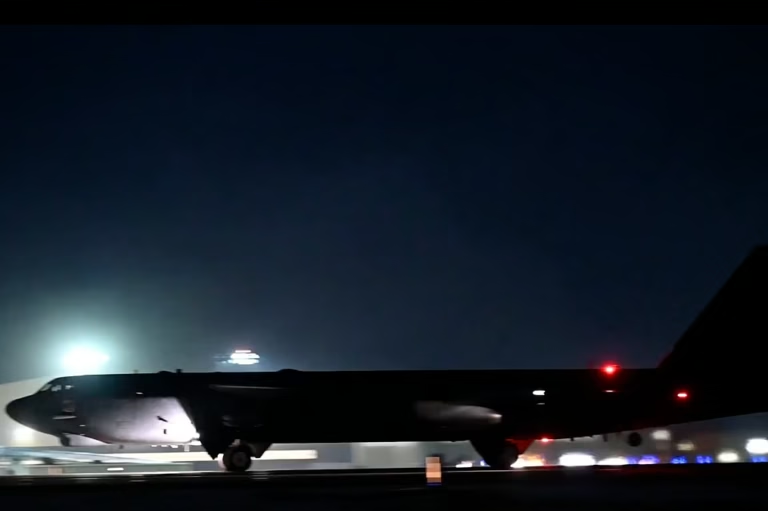
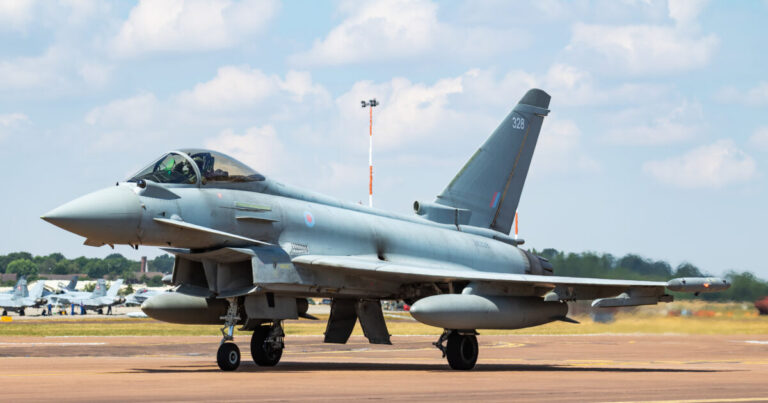
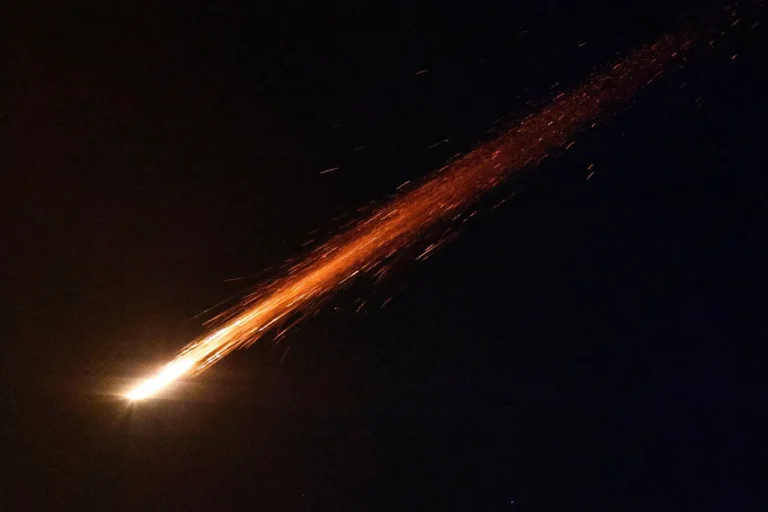
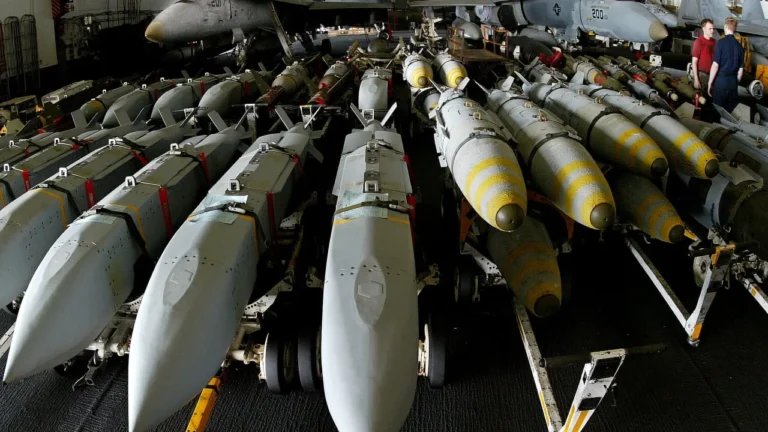
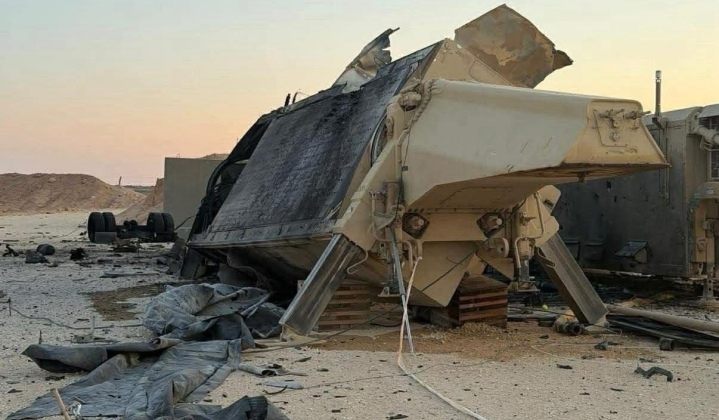
Russia’s Aerospace Forces flew Tu-22M3 long-range bombers over the Black Sea this week, accompanied by Su-35S and Su-27 fighters, in what Moscow described as routine training in international airspace. Equipped with Kh-22 and Kh-101 cruise missiles, the bombers demonstrate Russia’s ability to strike naval and land targets at long range, while NATO monitors such flights to maintain regional air defense readiness.
Russia’s Aerospace Forces recently flew Tu-22M3 long-range bombers over the Black Sea for more than five hours, accompanied by Su-35S and Su-27 fighters, in a mission Moscow described as routine training in international airspace. Russian officials emphasized adherence to international norms, while Western militaries regularly monitor and intercept such flights as part of NATO air policing, especially in regions with limited warning time.
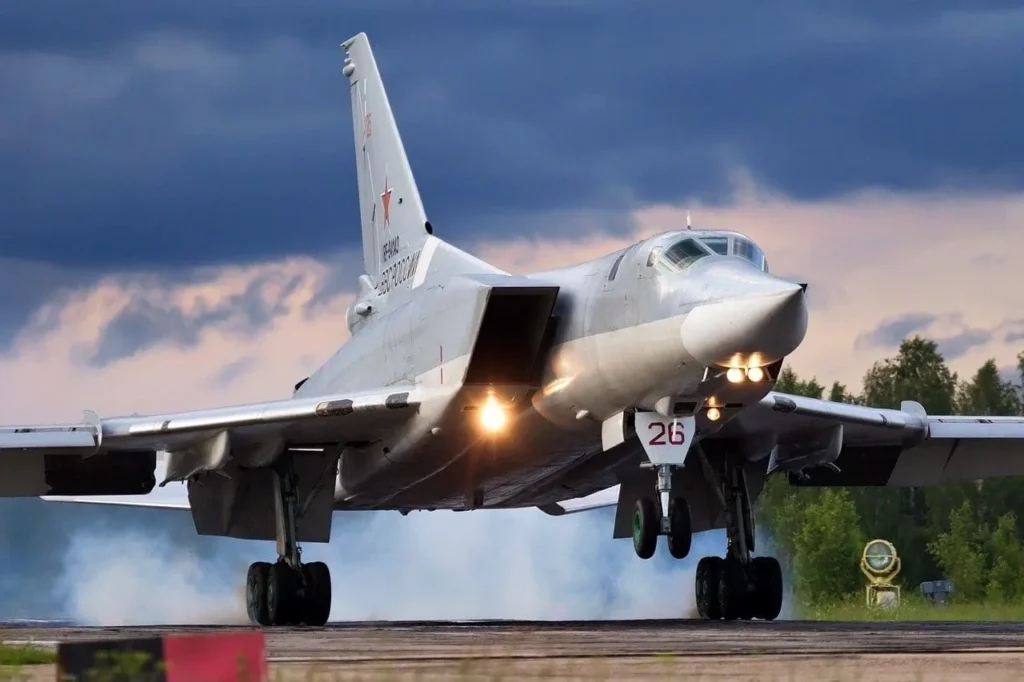
The Tupolev Tu-22M3, a supersonic bomber with variable-sweep wings, remains a key long-range strike platform for Russia. Powered by two Kuznetsov NK-25 afterburning turbofans, it can approach Mach 1.9 and has a combat radius of around 2,400–2,500 km depending on payload and mission. Initially designed for maritime strikes against NATO carrier groups, it now serves as a flexible standoff attack aircraft for both naval and land targets outside defended airspace.
The bomber’s armament highlights its dual-role capability. The Kh-22 cruise missile, a large and extremely fast anti-ship weapon, uses a liquid-fuel rocket to reach speeds above Mach 4, carries a warhead near 1,000 kg, and follows a high-altitude cruise with a steep terminal dive, minimizing shipborne air defense reaction time.
In contrast, the Tu-22M3 can also launch the Kh-101 cruise missile, a modern subsonic weapon optimized for long-range precision strikes. Weighing 2,200–2,400 kg and powered by a turbojet, it flies low using terrain-following navigation with satellite guidance. Its conventional warhead is smaller than the Kh-22, but its low-observable design and long range allow launches from deep inside friendly territory.
Operationally, the combination of Kh-22 and Kh-101 missiles complicates defense. Supersonic Kh-22s saturate naval air defenses, while low-flying Kh-101s target fixed infrastructure like command centers, logistics hubs, airfields, and energy sites. Fighter escorts enhance situational awareness and provide deterrence, allowing the Tu-22M3 to project power across sea and land.
Western militaries respond differently. NATO fighters routinely scramble to identify and shadow Russian long-range aircraft near Alliance airspace, maintaining situational awareness and deterrence. These encounters, conducted under standard protocols, underscore the need for constant readiness, particularly in the Black Sea with limited warning times.
Despite its effectiveness, the Tu-22M3 faces vulnerabilities. Open-source reports from Ukraine show Russian long-range aviation infrastructure under pressure from strikes and drones, highlighting logistical and basing challenges. Still, the Backfire bomber remains central to Russia’s regional strike doctrine.
For NATO, the Black Sea flights reaffirm the importance of layered air and missile defenses, integrated early warning systems, and forward-based air policing. Though aging, the Tu-22M3 continues to be a potent platform whose missile capabilities influence regional security calculations.
About The Author