Ukrainian specialists say a shot-down Russian BM-35 attack drone was fitted with a Starlink-type satellite terminal for remote control, as Kyiv warns Moscow is sourcing such systems through foreign intermediaries and integrating them into new strike drones, including the upcoming Geran-4.
Ukrainian specialists reported that Russia has equipped its BM-35 one-way attack drone with a satellite communications terminal similar to Starlink, following the recovery and examination of a downed aircraft this week.
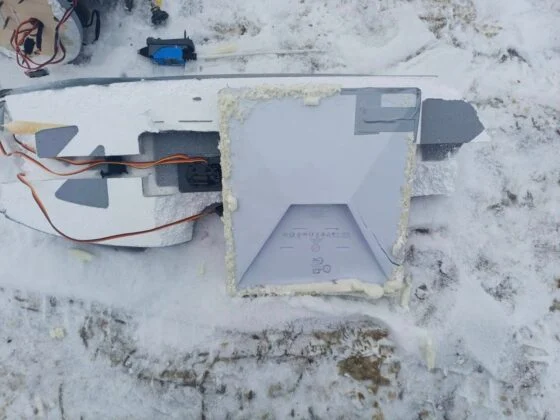
According to Serhii Beskrestnov, known by the call sign “Flash,” technical analysis of the wreckage confirmed that the drone was remotely controlled via a Starlink-type system. He stated that this is the first documented case of a BM-35 UAV being operated through Starlink, noting that such hardware had previously been observed only on Russia’s Molniya drone series.
Beskrestnov warned that the integration of satellite-based control represents a serious challenge for Ukrainian defenses. He said that if Shahed-type drones begin operating with Starlink connectivity, it could happen within days rather than months. Drones controlled in this manner are largely resistant to electronic warfare and can strike targets with high precision under direct operator control from inside Russia.
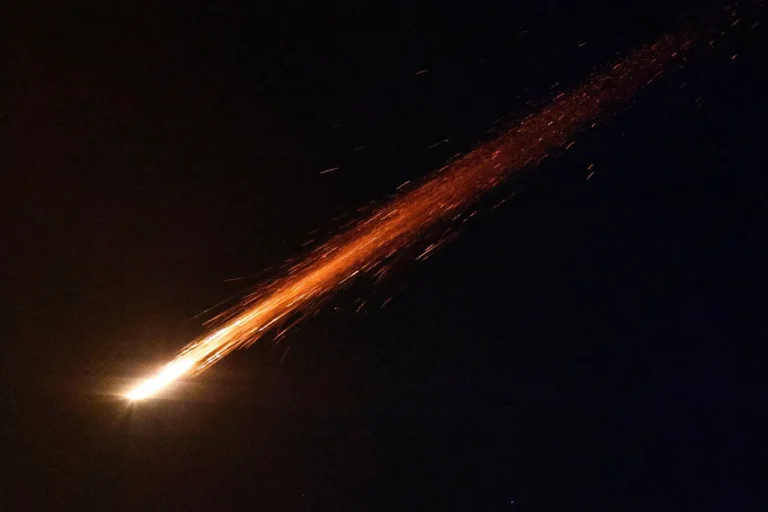
Ukrainian forces intercepted and shot down the BM-35 before it reached its intended target. Images and technical assessments shared by experts show a SpaceX satellite communications terminal adapted to fit within the drone’s airframe, mounted in a configuration designed to maintain uninterrupted connectivity throughout the flight.
The BM-35 is among Russia’s newer long-range one-way attack drones, typically guided by radio links or pre-programmed navigation. The addition of satellite communications would allow operators to control the drone from much greater distances while maintaining stable command-and-control links despite Ukrainian jamming efforts.
Ukrainian analysts also report that Russia is preparing to deploy its Geran-4 strike drone equipped with air-to-air missiles. These systems, described as unmanned interceptors, are expected to rely on Starlink-type terminals for real-time flight control and target engagement in contested airspace.
Reports further indicate that Russia has established large-scale procurement networks for satellite terminals similar to Starlink through shell companies based in the United Arab Emirates, Singapore, and Malaysia. These terminals are allegedly supplied both to frontline units for battlefield coordination and to drone manufacturers for integration into aerial platforms.
Kyiv has repeatedly warned that Moscow is adapting commercially available Western technologies to enhance its strike capabilities. The discovery of satellite-controlled one-way attack drones follows months of frontline reports describing increasingly resilient Russian drone control links.
Ukrainian specialists say the BM-35 incident highlights the rapid pace of Russia’s drone modernization and marks a significant escalation in efforts to bypass electronic defenses and retain operator control until the final phase of an attack.
About The Author