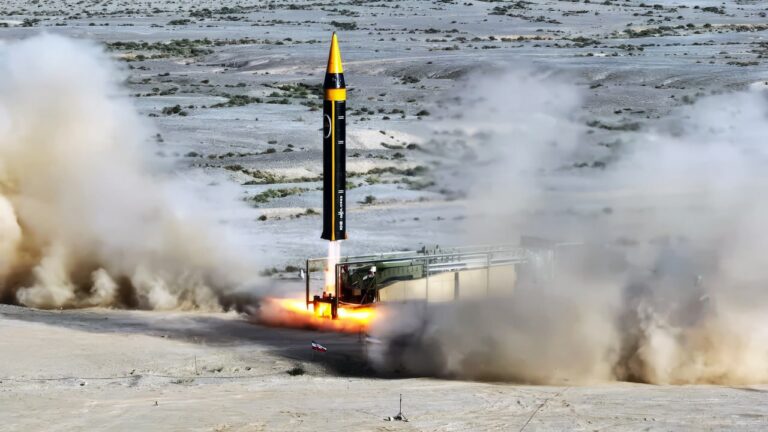
Shield AI has launched wind tunnel testing of its X-Bat autonomous combat aircraft to support early aerodynamic validation and design refinement, describing the platform as a long-range, VTOL strike system powered by its Hivemind AI pilot and built for expeditionary, runway-independent operations.
Shield AI announced on Wednesday that it has begun wind tunnel testing of its X-Bat unmanned combat aircraft, marking the first major evaluation milestone in the development of the company’s next-generation autonomous strike platform.
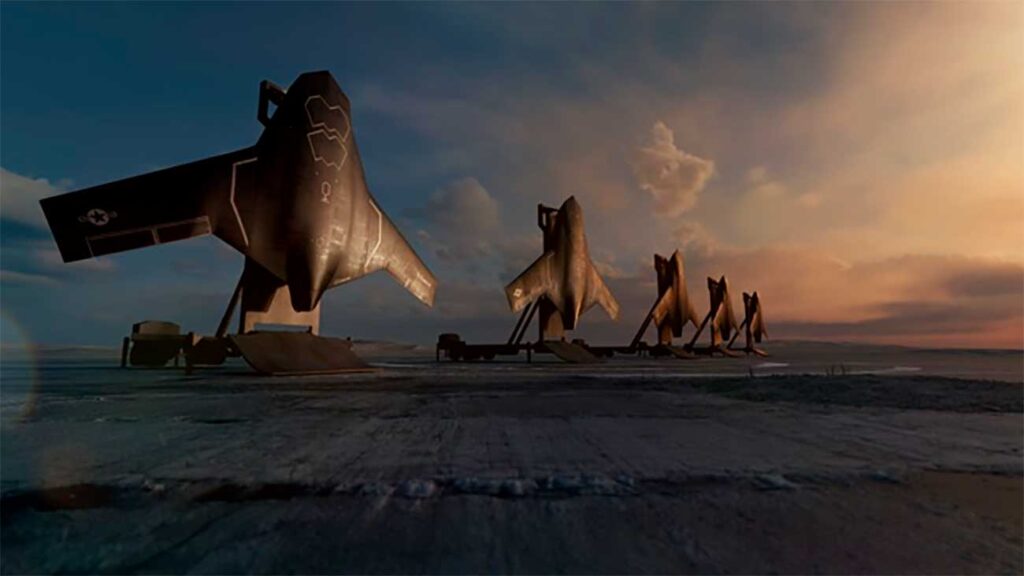
The company said the wind tunnel campaign is designed to speed up design refinement while reducing technical and developmental risks as the aircraft progresses toward flight testing.
According to Shield AI, the tests aim to validate aerodynamic performance and confirm safety margins across the airframe. In its statement, the company emphasized a rapid-development philosophy, noting that early and continuous testing allows engineers to improve efficiency, safety, and overall performance with each design iteration.
X-Bat is being developed as a fully autonomous combat aircraft capable of operating without a human pilot. Shield AI said the platform is intended to lead coordinated formations of unmanned systems and conduct both air-to-air and air-to-surface missions. The aircraft will incorporate an electronic warfare suite and is designed for expeditionary operations without reliance on traditional airbases.
The company described X-Bat as a long-range, high-endurance system with a 39-foot wingspan, a maximum range exceeding 2,000 nautical miles, and a service ceiling above 50,000 feet. Shield AI added that the aircraft can maneuver beyond 4 g and is designed to fit within a compact 40-foot by 14-foot by 6-foot storage footprint, enabling transport and deployment from constrained locations.
X-Bat combines vertical takeoff and landing capability with long-range autonomous strike performance. Shield AI said this VTOL design removes the need for conventional runway infrastructure and allows operations from ships, remote islands, or improvised forward bases. Unlike the company’s earlier V-Bat system, which has primarily supported reconnaissance missions, X-Bat is intended to carry weapons and conduct combat operations.
At the core of the platform is Hivemind, Shield AI’s proprietary artificial intelligence pilot software. The company stated that Hivemind has already demonstrated autonomous control of complex aircraft, including the F-16, and enables operations in environments where GPS signals and communications are degraded or denied.
Shield AI also highlighted that X-Bat is designed to operate as part of a distributed network of unmanned aircraft in contested environments dominated by long-range threat systems. The wind tunnel tests represent the first public validation step in the program, signaling the transition from conceptual design to physical evaluation.
The company said its development strategy emphasizes rapid iteration supported by continuous testing. Wind tunnel data will allow engineers to analyze aerodynamic behavior across multiple flight regimes and refine control surfaces, structural components, and propulsion integration ahead of full-scale flight trials.
About The Author