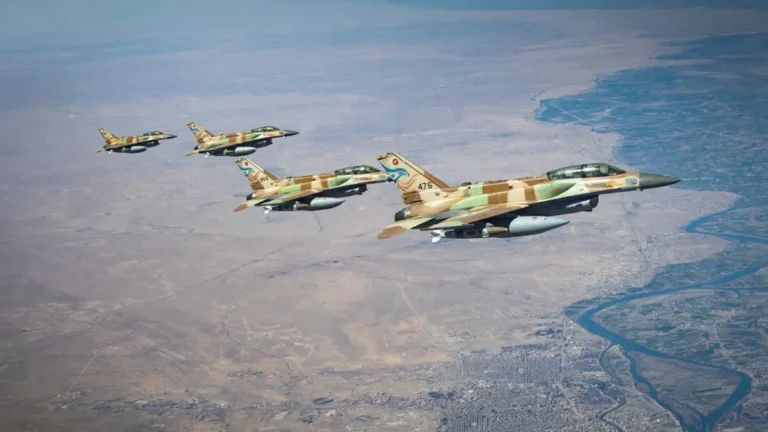
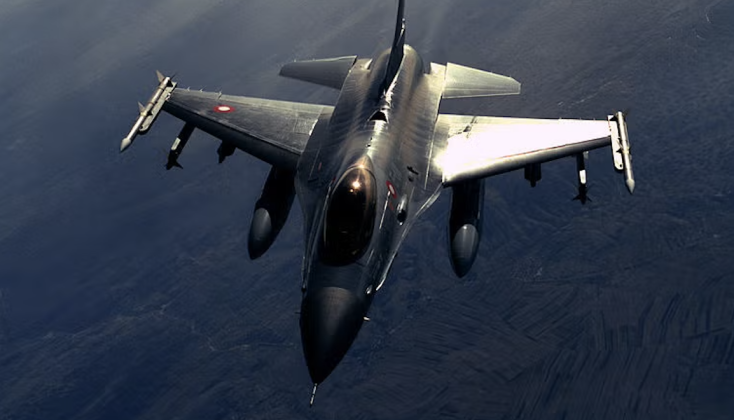
Military activity in the Eastern Mediterranean has intensified as Turkey deployed six F-16 Fighting Falcon jets to northern Cyprus in support of NATO’s expanding regional air defense posture. The move follows reports that Royal Air Force aircraft—specifically F-35B Lightning II fighters stationed in the area—recently intercepted several drones approaching the island. The deployment is part of a rapid-response air policing mission as Western militaries reinforce their presence amid the widening confrontation involving Iran.
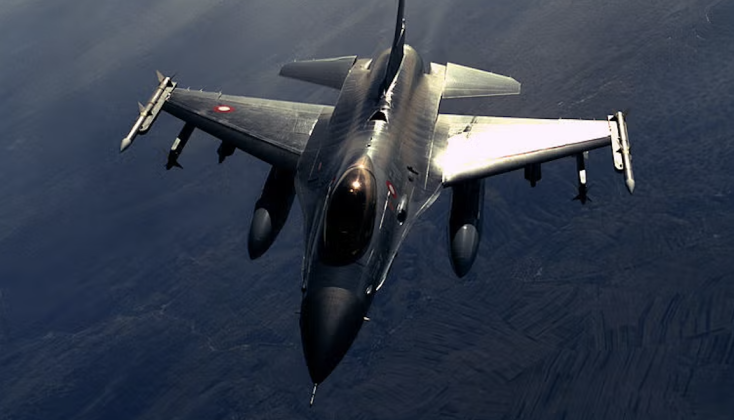
The latest move reflects how the conflict is increasingly drawing in multiple members of NATO. In recent weeks, countries such as France and Italy have also moved additional military assets into the region, strengthening a coordinated defense network designed to monitor airspace and respond quickly to potential threats. These deployments come in the aftermath of the large-scale military operations launched by the United States and Israel against Iran, a development that has rapidly expanded the strategic importance of bases and radar stations across the Eastern Mediterranean.
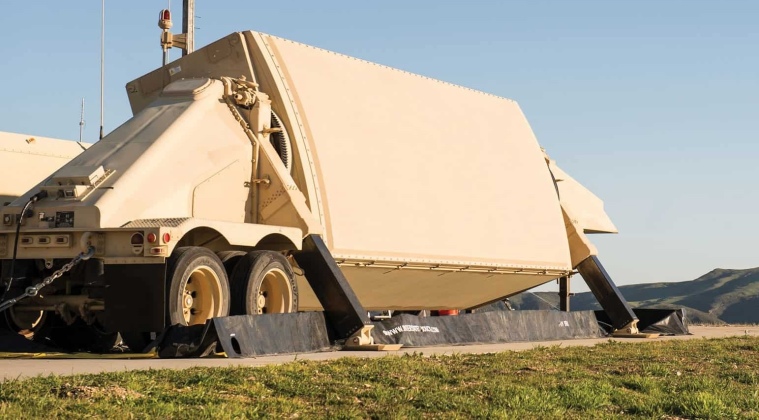
Turkey’s role in the broader military landscape has already been significant. The strategically located Incirlik Air Base continues to serve as a key logistical hub for U.S. operations in the Middle East. At the same time, early-warning systems such as the Kurecik Radar Station provide tracking data on missile launches across the region. The facility hosts advanced AN/TPY-2 radar systems, which are capable of detecting ballistic missiles shortly after launch and relaying that information to allied missile defense networks.
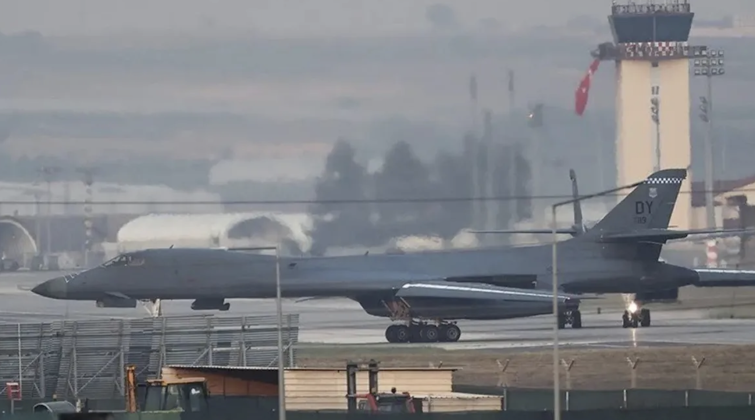
Iranian officials and state media have long criticized the presence of these systems, arguing that they contribute to intelligence-sharing networks that support Israel’s missile defense architecture. Tehran has reportedly targeted similar radar installations elsewhere in the region during the conflict, including systems deployed in neighboring states. However, the radar installation in Turkey has not been struck, a restraint that analysts suggest may reflect Iran’s desire to avoid directly drawing Turkey deeper into the war.
As the confrontation between Iran and its adversaries continues to evolve, the possibility of greater NATO involvement remains a major concern for regional observers. Turkey’s geographic position between Europe and the Middle East makes it a critical strategic player, whether through airspace access, logistical support, or the deployment of its own forces. With multiple military powers now reinforcing their presence around the Eastern Mediterranean, the situation increasingly reflects a broader geopolitical standoff rather than a limited regional clash.
About The Author