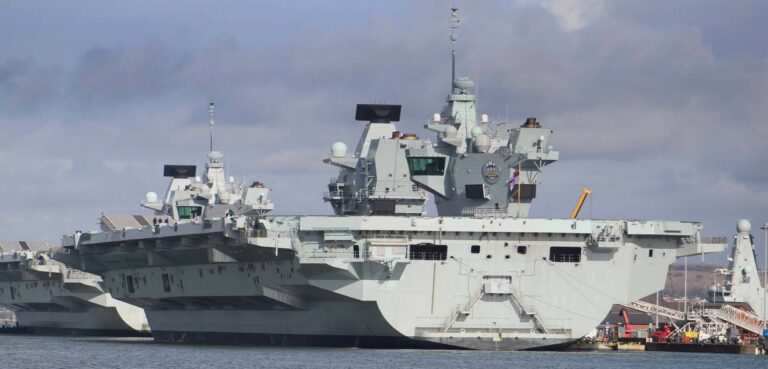
The strategic waters of the Caribbean Sea are currently experiencing an unprecedented surge in United States naval presence, with a striking 25% of the U.S. Navy’s warships now deployed in the region. This significant concentration of maritime power, spearheaded by the formidable Ford Carrier Strike Group, marks a pivotal moment in regional security and underscores a renewed focus on the critical maritime domain stretching from the Gulf of Mexico to the Lesser Antilles. This isn’t merely a routine deployment; it’s a profound statement of capability and intent, designed to enhance regional stability, deter illicit activities, and foster deeper collaboration with partner nations.
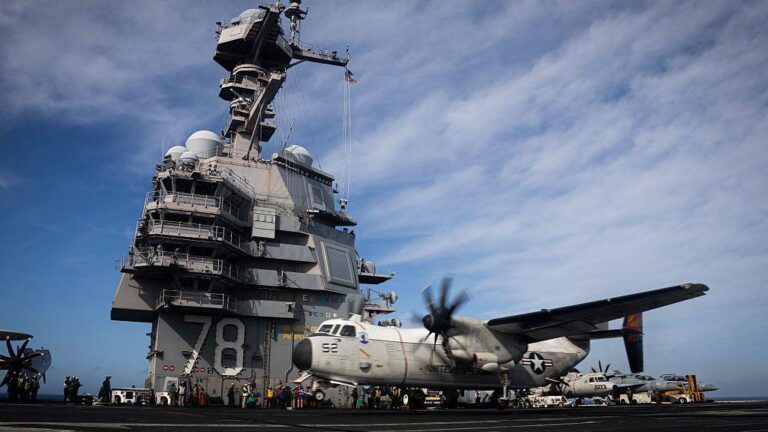
At the vanguard of this massive deployment is the USS Gerald R. Ford (CVN 78), the Navy’s newest and most advanced aircraft carrier. As the centerpiece of its strike group, the Ford brings with it an unparalleled projection of air power, featuring a potent air wing of F-18 Super Hornets, E-2D Hawkeyes, and other sophisticated aircraft. Accompanying the carrier are a complement of Arleigh Burke-class destroyers, a Ticonderoga-class guided-missile cruiser, and a fast-attack submarine, forming a highly integrated and multi-mission capable force. The presence of such a technologically advanced and tactically flexible group signals the U.S. Navy’s commitment to maintaining dominance across all facets of naval warfare, from anti-surface and anti-submarine operations to advanced air defense and humanitarian assistance.
The sheer scale of this deployment—one-quarter of the entire U.S. Navy fleet—is a testament to the Caribbean’s increasing strategic importance. While often perceived primarily as a tourist destination, the region is a vital crossroads for global trade, energy transit, and unfortunately, transnational criminal organizations. The expansive maritime domain, characterized by numerous island nations and vast stretches of open water, presents unique challenges for security and governance. This surge in naval assets is therefore directly aimed at bolstering maritime security, combating drug trafficking, illegal fishing, and other forms of illicit trade that destabilize the region and threaten the prosperity of its inhabitants.
Beyond direct deterrence and interdiction, a significant aspect of this deployment involves strengthening partnerships with Caribbean nations. The presence of the Ford Carrier Strike Group and other warships provides an invaluable opportunity for joint exercises, training, and capacity building with regional navies and coast guards. These collaborative efforts are crucial for enhancing interoperability, sharing best practices, and improving the collective ability to respond to a wide array of maritime threats and natural disasters, which are unfortunately common in the hurricane-prone Caribbean. By working closely with local forces, the U.S. Navy aims to build enduring relationships and foster a robust regional security architecture that promotes shared interests and mutual defense.
The timing and scope of this deployment also invite broader geopolitical analysis. In an era of evolving global power dynamics, demonstrating robust naval projection capabilities in strategically important regions is paramount. While the immediate focus is on the Caribbean’s unique security challenges, the ability to rapidly deploy and sustain such a significant force serves as a clear signal to both allies and potential adversaries worldwide. It underscores the U.S. Navy’s enduring capacity to project power, protect national interests, and respond to contingencies across the globe. The choice of the Caribbean, a region historically influenced by various international actors, makes this demonstration particularly resonant.
Furthermore, this deployment provides an invaluable opportunity for the U.S. Navy to rigorously test and integrate its most advanced platforms in a complex, real-world operational environment. The Ford-class carriers, with their revolutionary electromagnetic aircraft launch system (EMALS) and advanced arresting gear (AAG), represent a generational leap in naval aviation. Operating these cutting-edge technologies extensively in the Caribbean allows for the refinement of tactics, techniques, and procedures, ensuring that the Navy’s most sophisticated assets are fully optimized for future challenges. It’s a living laboratory for innovation, where the synergy between advanced technology and highly trained personnel is put to the ultimate test.
In conclusion, the presence of 25% of the U.S. Navy’s warships in the Caribbean, led by the state-of-the-art Ford Carrier Strike Group, signifies a bold and strategic maneuver. It’s a multi-faceted deployment addressing immediate security concerns, fostering international partnerships, and projecting global power. As these mighty vessels patrol the vibrant waters of the Caribbean, they not only safeguard critical maritime pathways but also symbolize a powerful commitment to regional stability and the enduring strength of American naval might. This deployment is far more than a simple movement of ships; it is a dynamic testament to evolving global security priorities and the indispensable role of naval power in shaping them.
About The Author