Ukrainian F-16 pilots reported that NATO-trained tactics were ineffective near the front lines, prompting the development of new low-altitude engagement methods, with the jets having intercepted over 1,300 Russian missiles and drones and conducted more than 300 strike missions as of November 2025, according to Militarnyi.
Ukrainian Air Force pilots flying F-16 fighter jets were compelled to modify NATO-trained air combat tactics after returning from overseas instruction, as those methods proved ill-suited to the combat conditions along Ukraine’s front lines. This assessment was revealed in a report by Militarnyi, citing official Ukrainian Air Force video footage.
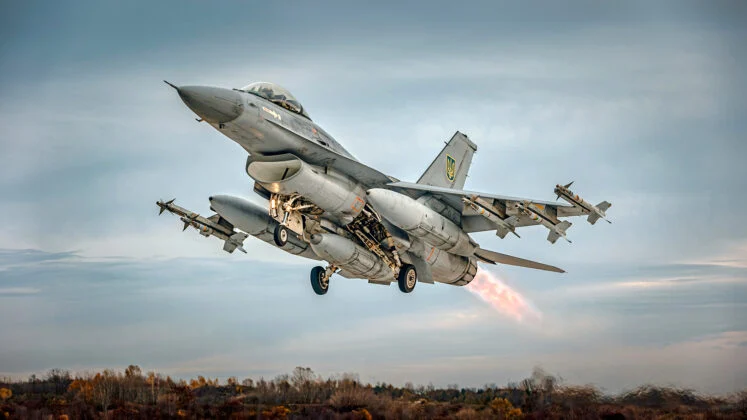
In remarks featured in the video, a Ukrainian F-16 pilot explained that partner-taught tactics were largely based on past Western military conflicts and failed to fully reflect the dense air defense networks and high-threat fighter environment encountered in Ukraine. “When we came back from training, we faced reality—the tactics we learned abroad do not fully match the war we are fighting,” the pilot said.
According to the pilot, Ukrainian F-16 crews—many of whom are highly experienced aviators—were forced to develop their own operational concepts. These new rules of engagement focus on intercepting cruise missiles, countering drones, and conducting combat missions close to the line of contact. “We had to rethink everything—how to destroy cruise missiles, engage drones, and fight near the front,” he noted.
The pilot emphasized that the front-line airspace is heavily saturated with Russian surface-to-air missile systems and combat aircraft, making every sortie extremely hazardous. He identified Russian Su-35, Su-57, and MiG-31 fighters as the primary aerial threats, stating that nearly every mission toward the front involves enemy missile launches, most often air-to-air weapons.
Because Russian fighters can loiter at higher altitudes while awaiting Ukrainian strike packages, Ukrainian pilots are forced to operate at lower altitudes to minimize exposure to both airborne and ground-based threats. “We do not have the luxury of staying high. Flying lower reduces the danger from surface-to-air missile systems,” the pilot explained.
To survive in this environment, Ukrainian F-16 crews employ low-altitude flight profiles and terrain-masking tactics to disrupt enemy radar detection and missile guidance. Flying close to the ground increases background clutter and limits radar line-of-sight, making it more difficult for Russian systems to maintain a targeting lock.
The pilot also described escort missions in which F-16s intentionally present themselves as targets to provoke enemy missile launches, depleting Russian air-to-air missile stocks. This tactic allows strike aircraft armed with precision-guided munitions to reach their targets. In one engagement, a three-ship Ukrainian F-16 formation forced Russian fighters to launch missiles from multiple directions, enabling the strike aircraft to complete its mission and return safely.
According to Militarnyi, by November 2025 Ukrainian F-16s had intercepted more than 1,300 Russian missiles and drones since entering service. In one confirmed incident, a single F-16 shot down six cruise missiles during one sortie, including two destroyed using the aircraft’s internal cannon.
Beyond air defense duties, Ukrainian F-16s have also carried out extensive strike missions. As of November, the aircraft had destroyed over 300 ground targets, including Russian military vehicles, command posts, drone control centers, ammunition depots, and logistical facilities, the report said.
About The Author