In a clear demonstration of their unwavering commitment to regional security, the United States and Japan recently concluded a joint bomber and fighter drill aimed at bolstering deterrence in the Indo-Pacific. This exercise, far from being a mere routine training event, served as a powerful signal to any potential adversaries, emphasizing the robust alliance between the two nations and their collective capability to respond to evolving threats.
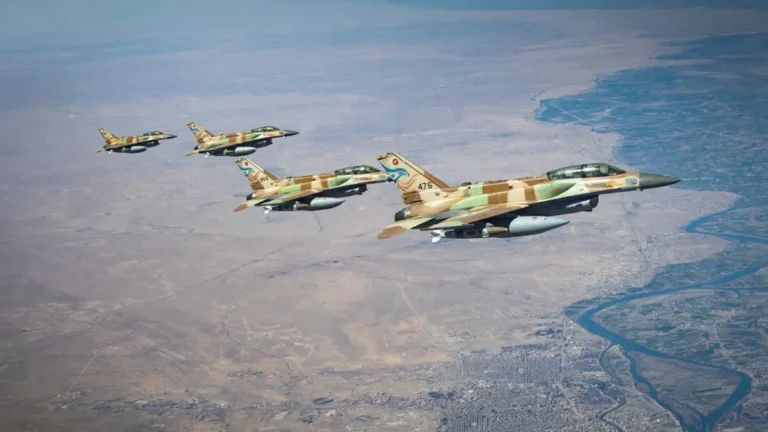
The drill involved a diverse array of advanced aircraft from both air forces. The United States deployed its formidable B-52 Stratofortress bombers, iconic symbols of long-range power projection. These heavy strategic bombers, known for their versatility and enduring service, integrated seamlessly with a contingent of U.S. fighter jets, including the highly capable F-16 Fighting Falcon and potentially F-35 Lightning IIs, showcasing America’s cutting-edge aerial prowess. Japan, for its part, brought its own impressive fleet of F-15J Eagles and F-2 fighter jets, representing the pinnacle of its air self-defense capabilities. The combined presence of these platforms underscored the depth of interoperability and the shared commitment to air dominance in the region.
The primary objective of these joint drills extends beyond simply practicing combat maneuvers. They are fundamentally about enhancing deterrence. In a region as strategically vital and dynamic as the Indo-Pacific, maintaining a credible defense posture is paramount. These exercises allow both air forces to refine their communication protocols, synchronize complex aerial tactics, and test their rapid response capabilities. By operating together in diverse scenarios, pilots and ground crews gain invaluable experience in joint operations, ensuring that in a real-world contingency, they can act as a cohesive and formidable force. This unified front sends an unmistakable message that aggression in the region will be met with a coordinated and powerful response.
Furthermore, these drills are critical for fostering deeper trust and understanding between the U.S. and Japanese military personnel. Beyond the technical aspects of flying and fighting, joint exercises build camaraderie and mutual respect. This human element is often overlooked but is absolutely vital for a strong alliance. When service members from different nations train side-by-face, they develop a shared understanding of procedures, cultural nuances, and individual strengths, all of which contribute to a more resilient and effective partnership.
The Indo-Pacific region is characterized by complex security challenges, including territorial disputes, the proliferation of advanced weaponry, and the rise of assertive military powers. In this intricate environment, the U.S.-Japan alliance acts as a cornerstone of stability. Joint drills involving strategic assets like the B-52 bombers reinforce the concept of extended deterrence, assuring allies of the U.S. commitment to their security through its conventional and nuclear capabilities. For Japan, these exercises bolster its self-defense posture and demonstrate its critical role as a security partner in the region.
Looking ahead, such joint exercises are expected to continue and even intensify. The ever-evolving threat landscape necessitates constant adaptation and refinement of defense strategies. By regularly conducting these high-level drills, the United States and Japan not only strengthen their bilateral alliance but also contribute significantly to the broader framework of peace and stability in the Indo-Pacific, ensuring a free and open regional order for all.
About The Author