In a move that’s stirring waves across the Western Hemisphere, the USS Fort Lauderdale (LPD-28), a state-of-the-art San Antonio-class amphibious transport dock, has made its way back into the Caribbean Sea following a quick pit stop at Naval Station Mayport in Florida. Open-source intelligence trackers on platforms like X spotted the ship re-entering the region on November 6, 2025, highlighting Washington’s ongoing commitment to maintaining a robust naval footprint near Venezuela. This isn’t just routine sailing—it’s part of a broader U.S. strategy to ramp up counter-narcotics operations, support regional allies, and send a clear signal in an area fraught with geopolitical tensions.
The USS Fort Lauderdale, commissioned in 2022, is no ordinary vessel. As part of the U.S. Navy’s amphibious fleet, it’s designed for expeditionary warfare, capable of deploying Marines, helicopters, and landing craft in some of the world’s trickiest littoral environments. Think of it as a floating forward base: it can carry up to 800 Marines from the 22nd Marine Expeditionary Unit (MEU), along with MV-22 Osprey tiltrotor aircraft, UH-1Y Venom helicopters, and even landing craft air cushion (LCAC) vehicles for rapid beach assaults or humanitarian drops. Its well deck allows for flooding to launch and recover these assets directly from the sea, making it incredibly versatile for missions ranging from disaster relief to high-stakes interdictions.
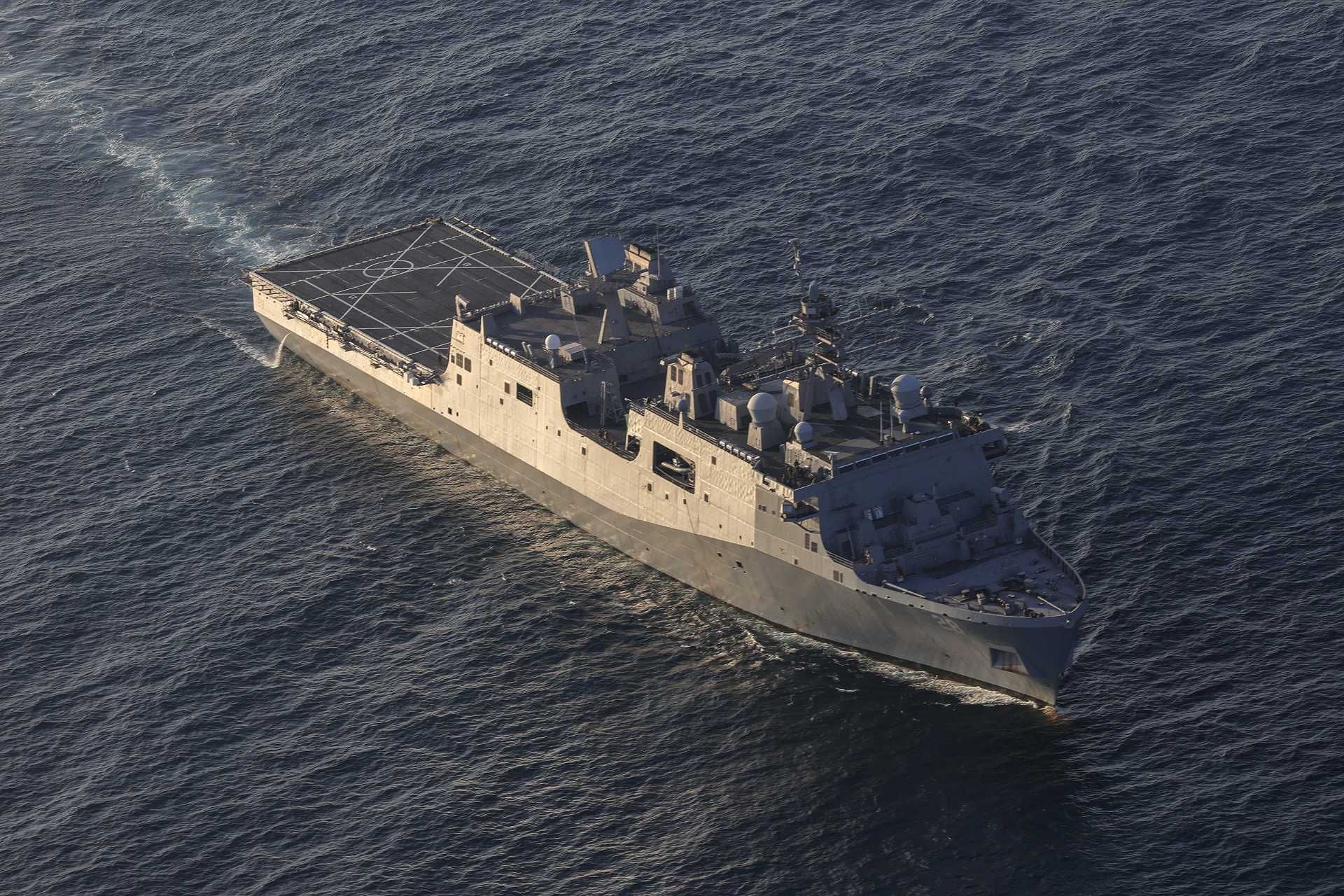
USS Fort Lauderdale amphibious transport dock Returns to Caribbean …
This recent redeployment comes after the ship wrapped up a mid-deployment voyage repair (MDVR) at Mayport from October 24 to November 2, 2025. According to Navy officials, the stop was for essential maintenance, but now the Fort Lauderdale is back in action, rejoining the Iwo Jima Amphibious Ready Group (ARG). The ARG, which includes the USS Iwo Jima (LHD-7) and USS San Antonio (LPD-17), has been active in the Caribbean since late August 2025, ostensibly focused on anti-drug trafficking efforts under U.S. Southern Command (SOUTHCOM). But with Venezuela’s Maduro regime under scrutiny, especially amid reports of election controversies and human rights issues, the buildup feels like more than just routine patrols.
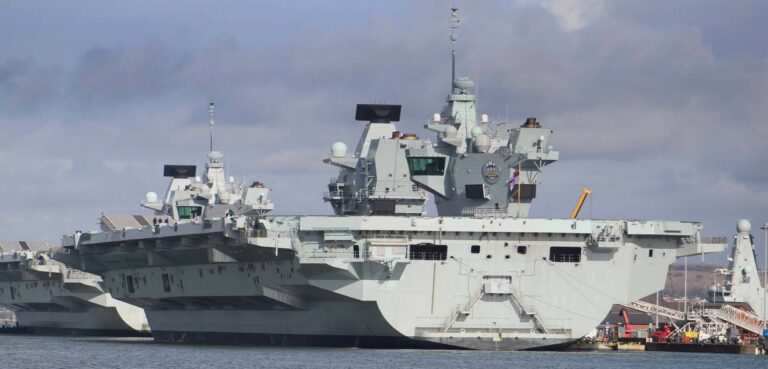
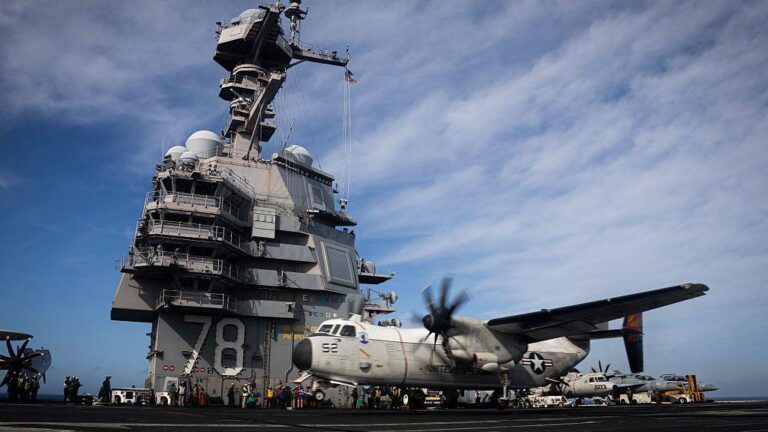
Open-source spotters on X have been buzzing about the ship’s movements. For instance, trackers noted the Fort Lauderdale southwest of Puerto Rico, about 32 kilometers from Cabo Rojo, as recently as November 6. Meanwhile, the USS Iwo Jima has anchored in St. Croix, U.S. Virgin Islands, and there’s chatter about the USS Gerald R. Ford Carrier Strike Group potentially heading to the area in about a week. These deployments align with a significant U.S. military presence that’s grown over the past 18 months, including increased amphibious operations and joint exercises with partners like Colombia and the Netherlands.
Why the Caribbean focus? The official line is counter-narcotics. The region is a hotspot for drug cartels smuggling cocaine from Venezuela and Colombia through island chains to North America. The Joint Interagency Task Force South (JIATF-South), a multi-agency outfit involving the Navy, Coast Guard, DEA, and international allies, leads these efforts. The Fort Lauderdale plays a pivotal role here—not as a frontline interceptor like a destroyer, but as a command-and-control hub. It fuses real-time intelligence from drones, aircraft, and satellites, coordinating boarding teams or Marine FAST units to seize cartel vessels. Its aviation deck supports ISR patrols with Ospreys or Venoms, spotting go-fast boats or semi-submersibles that evade radar.
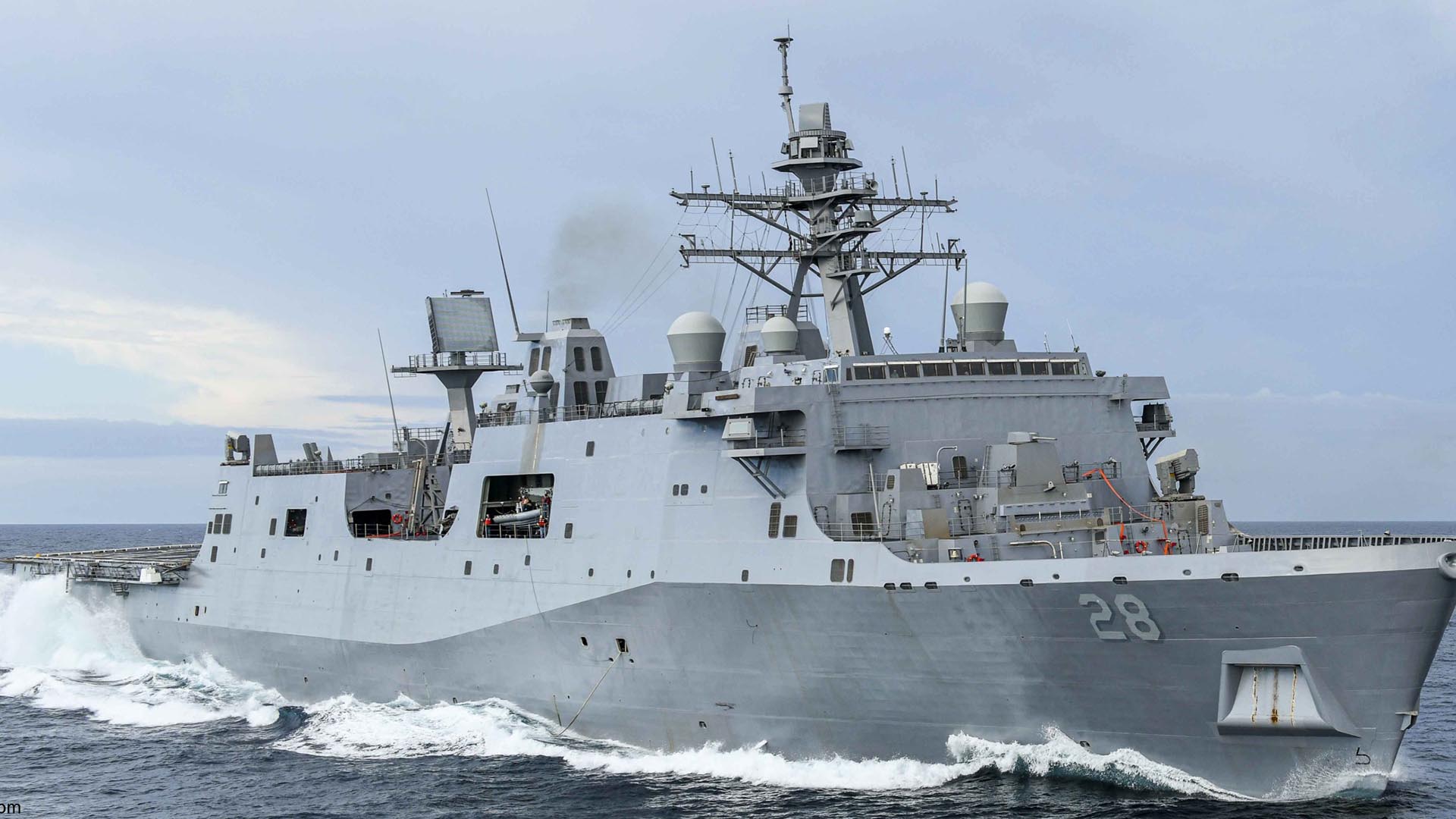
Amphibious Warship Returning To Caribbean, Report Claims U.S. …
But let’s not ignore the elephant—or rather, the Maduro—in the room. Venezuela’s proximity adds a layer of deterrence. With ongoing disputes over the Essequibo region with Guyana and U.S. sanctions biting hard, the Navy’s presence serves as a reminder of American resolve. Analysts point to “gray zone” operations: activities that blend military might with humanitarian aid and security cooperation to counter influence from adversaries like Russia or China, who have ties to Caracas. The Fort Lauderdale’s flexibility shines in this context—it can pivot from chasing narco-subs to delivering aid after a hurricane, all while projecting power without escalating to full conflict.
Historically, the U.S. has long viewed the Caribbean as its backyard, from the Monroe Doctrine to modern SOUTHCOM initiatives. This 2025 buildup echoes past deployments, like the 1983 Grenada intervention or anti-drug ops in the 1990s. But today’s threats are more sophisticated: encrypted comms, unmanned drones for smuggling, and island-based logistics hubs. The Navy’s response? Layered assets like the ARG, which provide endurance and rapid response where patrol boats fall short.
Looking ahead, expect the Fort Lauderdale to participate in joint exercises, port calls in allied nations, and possibly more interdictions. While SOUTHCOM hasn’t detailed the mission’s full scope, the ship’s return underscores a shift toward sustained maritime governance in America’s southern approaches. For defense watchers, it’s a fascinating watch—will this lead to more seizures, diplomatic wins, or heightened tensions with Venezuela?
In the end, the USS Fort Lauderdale’s Caribbean comeback isn’t just about one ship; it’s a piece of a larger puzzle reinforcing U.S. interests in a volatile region. As global eyes turn to the Pacific, don’t sleep on the strategic ripples in these tropical waters.
About The Author