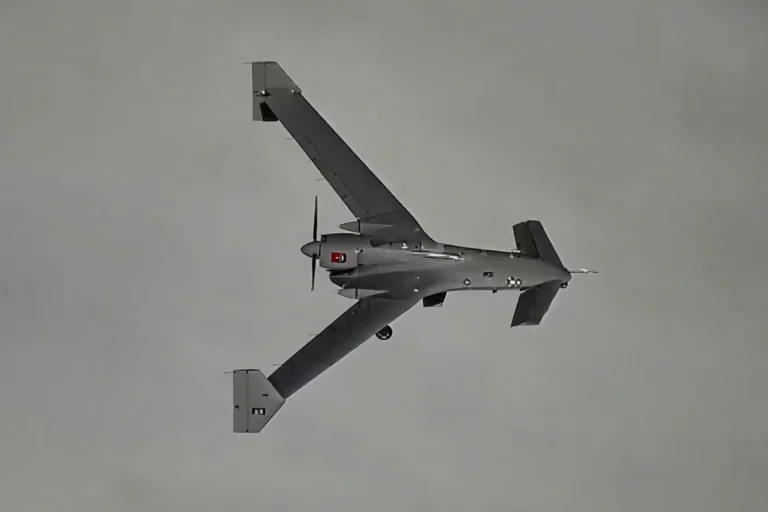
In an increasingly complex and interconnected world, nations are continually seeking cutting-edge solutions to bolster their security, monitor vast borders, and enhance their intelligence-gathering capabilities. Uzbekistan, a strategically important nation in Central Asia, has made a significant stride in this direction by selecting the Airbus Flexrotor VTOL drone for its long-range surveillance missions. This decision marks a pivotal moment for Uzbekistan, signaling a clear commitment to modernizing its aerial reconnaissance assets and embracing the future of unmanned aerial systems. The Flexrotor is not just another drone; it represents a sophisticated blend of vertical take-off and landing (VTOL) versatility and impressive endurance, making it an ideal choice for the diverse and often challenging geographical landscapes of Uzbekistan.
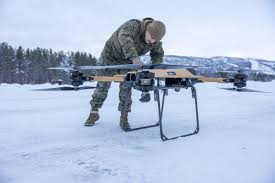
For a nation like Uzbekistan, with extensive borders and varied terrain ranging from deserts to mountainous regions, traditional surveillance methods often present considerable logistical and operational hurdles. Manned aircraft operations are costly, require significant infrastructure, and can be limited by crew endurance and environmental factors. Fixed-wing drones, while offering long endurance, typically demand runways for take-off and landing, which may not always be available in remote or tactical environments. This is precisely where the Airbus Flexrotor carves out its niche. Its VTOL capability eliminates the need for runways, allowing it to be launched and recovered from virtually any small, open space – a clearing in a forest, the deck of a patrol vessel, or even from the back of a utility vehicle. This operational flexibility is a game-changer, enabling rapid deployment and redeployment in response to evolving surveillance requirements.
Beyond its impressive take-off and landing characteristics, the Flexrotor stands out for its remarkable endurance. Designed for extended missions, it can remain airborne for significant periods, providing persistent intelligence, surveillance, and reconnaissance (ISR) coverage over vast areas. This long-duration capability is crucial for monitoring illicit activities along borders, tracking movements in remote regions, assessing environmental changes, or supporting disaster response efforts. Imagine the ability to keep an eye on a specific area of interest for many hours, collecting high-resolution imagery and real-time data, without the constant need for refueling or swapping out aircraft. This persistence greatly enhances situational awareness and allows for more thorough and effective data collection, reducing the chances of missing critical information.
The integration of such an advanced system into Uzbekistan’s security architecture will have far-reaching benefits. From an internal security perspective, the Flexrotor can assist in combating smuggling, illegal crossings, and other transnational crimes. Its discreet operation and high-resolution sensors can provide invaluable evidence and real-time intelligence to law enforcement and border agencies. For national defense, it offers an enhanced capability to monitor potential threats, gather strategic intelligence, and protect critical infrastructure. The data collected by the Flexrotor can be integrated into broader intelligence networks, providing decision-makers with a more comprehensive and up-to-date picture of the operational environment.
Furthermore, the partnership with Airbus, a global aerospace giant, underscores Uzbekistan’s commitment to acquiring state-of-the-art technology and fostering international collaboration in defense and security. Airbus brings with it a legacy of innovation, reliability, and robust support systems, ensuring that Uzbekistan will benefit not only from cutting-edge hardware but also from comprehensive training, maintenance, and technological expertise. This collaboration is likely to extend beyond the initial acquisition, potentially opening doors for future technological transfers and joint development initiatives.
The decision to adopt the Airbus Flexrotor VTOL drone is a strategic investment in Uzbekistan’s future security and operational effectiveness. It demonstrates a forward-thinking approach to surveillance, embracing the capabilities that unmanned systems offer in terms of flexibility, endurance, and cost-efficiency. As the Flexrotor takes to the skies over Uzbekistan, it will not only enhance the nation’s ability to see further and clearer but also solidify its position as a regional leader in adopting advanced aerospace technologies for peace and security. This move signals a new era of aerial vigilance, characterized by smart, persistent, and adaptable surveillance capabilities.
About The Author