The US Navy’s decision to inactivate USS Boise is more than just the retirement of an aging submarine—it signals a major shift in naval strategy. In modern warfare, deployability and efficiency now matter more than simply maintaining legacy platforms.
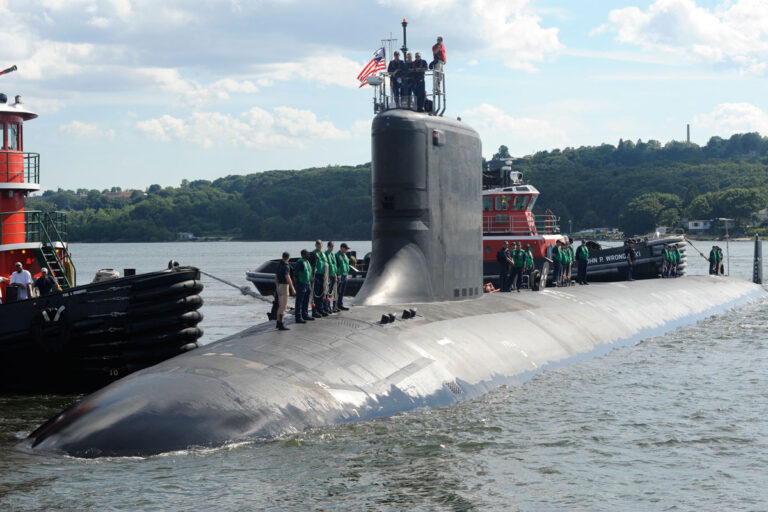
On April 10, 2026, the US Navy made a decision that caught the attention of defense analysts worldwide. USS Boise (SSN-764), a Los Angeles-class attack submarine, was officially inactivated after spending more than a decade without returning to operational service.
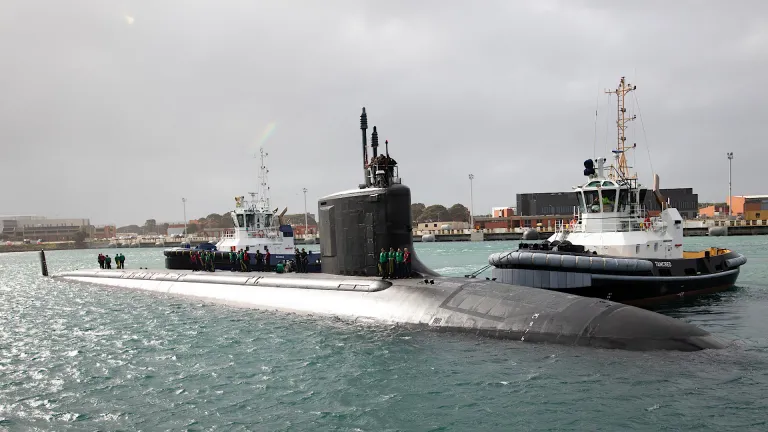
Originally commissioned in 1992, USS Boise completed its last deployment in 2015. What followed was not a smooth mid-life overhaul—but a long period of delays, missed timelines, and growing costs. By 2017, the submarine had lost its SUBSAFE certification, meaning it was no longer allowed to submerge, effectively rendering it unusable for missions.
Despite this, the Navy attempted to bring the submarine back. In 2024, a $1.2 billion contract was awarded to Huntington Ingalls Industries to restart the overhaul. However, by 2026, only around 22–25% of the work had been completed, even after approximately $800 million had already been spent.
The numbers quickly raised serious concerns.
If completed, the total overhaul cost was projected to reach between $2.7 billion and $3 billion. Yet even after that investment, USS Boise was expected to deliver only about three deployments before retirement. That translates to nearly $1 billion per deployment—a figure far higher than modern alternatives.
In contrast, Virginia-class submarines are designed for long-term operational efficiency, capable of conducting 14 to 15 deployments over their service life. This creates a dramatic difference in cost-effectiveness, making older submarines like Boise increasingly difficult to justify.
Faced with this reality, the Navy made a strategic choice: stop investing in aging platforms and redirect resources toward new construction.
Another key factor behind Boise’s failure was shipyard capacity. US naval shipyards are operating at near full capacity, with priority given to ballistic missile submarines and aircraft carriers. Attack submarines, like USS Boise, often face delays due to limited availability of dry docks and skilled labor.
These delays can be devastating. In Boise’s case, missing its scheduled overhaul window in 2016 triggered a chain reaction that ultimately made recovery impractical.
The decision to inactivate USS Boise reflects a broader transformation in US naval planning. Instead of pouring billions into outdated systems with limited future value, the Navy is focusing on platforms that can deliver consistent, long-term operational output.
In today’s rapidly evolving undersea warfare environment, readiness and efficiency are everything. USS Boise’s story serves as a clear example of how even powerful military assets can become liabilities if they fail to remain deployable.
About The Author