The skies over Russia’s Rostov region reportedly witnessed a significant shift in aerial warfare on November 22, 2025. Ukraine’s Special Operations Forces (SSO) announced the unprecedented downing of a Russian Mi-8 helicopter by a long-range “deep strike” drone, specifically the Ukrainian-made FP-1. This alleged incident, occurring near Kuteynykove, approximately 190 km from the front line, marks a potential turning point, as it would represent the first successful interception of a helicopter by such a system. While independent verification is still pending and Russia has yet to comment, the military and analytical communities are abuzz with discussions about the implications for future air operations.
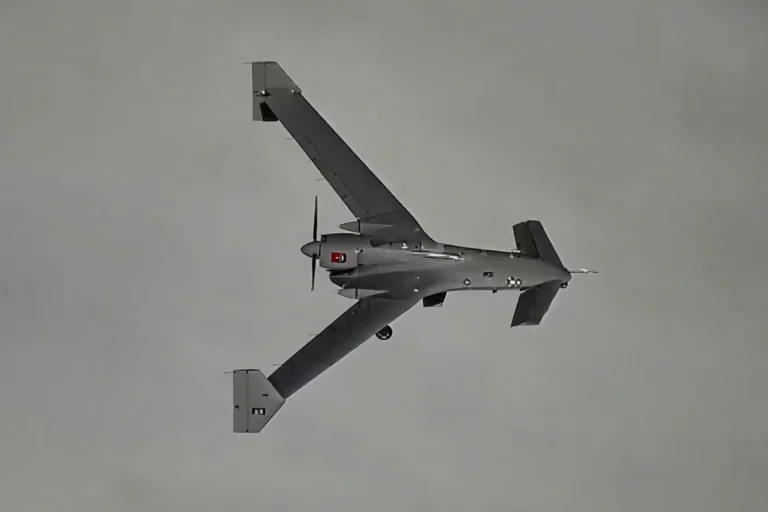
At the heart of this evolving narrative is the FP-1 drone, a product of the Ukrainian company Fire Point. Initially designed for deep-strike missions against static targets like ammunition depots and fuel infrastructure up to 1,600 kilometers away, the FP-1 is a marvel of modern engineering. It boasts a sleek airframe, a modular warhead ranging from 60 to 120 kilograms, and sophisticated guidance systems built to resist electronic interference. Previous deployments saw FP-1 drones primarily engaging oil refineries and logistical hubs deep within Russian territory, often in synchronized waves to overwhelm air defenses. However, the reported engagement over Rostov suggests a tactical evolution, with the FP-1 transitioning from merely evading air defenses to actively hunting enemy aircraft. The SSO emphasizes that such missions demand highly specialized technical configurations, meticulous planning, and expertly trained crews, underscoring the precision and bespoke nature of each operation.
This development is not an isolated event but rather a continuation of Ukraine’s evolving deep-strike drone tactics. Since the systematic long-range drone raids began in 2023–2024, Kyiv has moved beyond sporadic strikes to orchestrate more integrated campaigns. A notable example is the attack on the “Kirovske” airfield in occupied Crimea, where drones targeted not only the aviation component but also air defense assets, ammunition depots, and enemy reconnaissance UAVs. This operation reportedly resulted in the destruction of Mi-8, Mi-26, and Mi-28 helicopters, as well as a Pantsir-S1 air defense system. Against this backdrop, using a deep-strike drone to engage a helicopter in flight seems less like a one-off spectacle and more like a logical progression in a doctrine aimed at degrading Russian aviation across the entire operational depth, not just on the ground. Ukrainian officials and industry experts frequently highlight how unmanned systems like the FP-1 facilitate coordinated actions across various branches of the armed forces, fostering new levels of interaction previously uncommon in the early stages of the conflict.
The FP-1 offers several distinct advantages over earlier generations of long-range drones, including Russian Shahed-type systems. While specific details remain classified, available information suggests a relatively low-cost, mass-produced platform with impressive range, a customizable warhead, and enhanced resistance to jamming. Production rates reportedly exceeded a hundred units per day by mid-2025. Unlike many legacy drones optimized for static infrastructure, the FP-1’s endurance, guidance precision, and advanced operator training now enable Ukrainian crews to employ these systems in more dynamic roles, including tracking moving targets. Historically, helicopters faced threats primarily from surface-to-air missiles, anti-aircraft artillery, or fighter aircraft. The introduction of a long-range strike drone in an “air ambush” capacity offers a cheaper, more expendable, and politically flexible alternative to achieve similar effects. This adaptation mirrors historical shifts in warfare, such as the transition from manned bombers to cruise missiles and from piloted reconnaissance aircraft to advanced UAVs, where less costly unmanned systems gradually assumed roles once performed by far more expensive platforms.
The strategic implications of this alleged engagement extend far beyond the loss of a single Mi-8. If Russian helicopter crews tasked with intercepting Ukrainian drones begin to perceive themselves as targets at operational depth, it will fundamentally alter the risk assessment and operational tempo of Russian air operations. Aircraft that previously operated with a degree of confidence in what were considered rear areas must now contend with the potential presence of slow-moving, low-observable unmanned systems along their routes. This dynamic forces Russia to either deploy additional air defense and counter-UAS assets further inland or restrict the use of helicopters for interception, both options imposing significant costs in terms of resources, coverage, and operational flexibility. Geopolitically, the increasing effectiveness of long-range Ukrainian drones like the FP-1 reinforces the perception of Russia’s strategic rear being vulnerable. This will undoubtedly intensify debates in Moscow regarding infrastructure protection and in Western capitals concerning the scope and nature of support for Ukraine’s indigenous strike capabilities. Operationally, the incident underscores a broader transformation: the battlefield is evolving into a three-dimensional domain spanning hundreds of kilometers, where relatively inexpensive unmanned systems can exert disproportionate effects on high-value platforms, including helicopters, air defense units, and strategic aviation.
The claimed downing of a Mi-8 helicopter over Rostov by an FP-1 “deep strike” drone, alongside previous airfield attacks like Kirovske, illustrates Ukraine’s systematic efforts to transform drones from auxiliary tools into central instruments of its operational and strategic posture. Even without independent confirmation, the narrative and accompanying footage disseminated by the Special Operations Forces send a clear message to Moscow: every helicopter sortie, every concentration of air assets, and every critical node in the rear now falls within the potential engagement envelope of Ukrainian unmanned systems. As the conflict persists, this evolution suggests a continuing shift in the balance between manned and unmanned platforms. Armed forces capable of effectively combining mass-produced drones, flexible doctrine, and integrated command structures are poised to gain a significant advantage over adversaries still relying on the perceived invulnerability of traditional air power.
About The Author