Sudan’s military leaders have renewed a proposal to grant Russia a 25-year naval base on the Red Sea, likely at Port Sudan, in exchange for discounted air defense systems and other military equipment to combat the Rapid Support Forces. The agreement would give Moscow its first permanent naval presence in Africa and intensify a strategic competition with the U.S. and China over key shipping routes connecting the Suez Canal to the Indian Ocean.
Sudan’s military leadership has revived a detailed proposal offering Russia long-term access to the Red Sea in exchange for urgently needed military support against the Rapid Support Forces. According to Sudanese officials cited by the Wall Street Journal, the draft deal would last 25 years, allowing Russia to deploy up to 300 personnel and berth four warships—including nuclear-powered vessels—at Port Sudan or a nearby facility. The agreement would also give Russia priority access to Sudanese mining concessions. In return, Khartoum seeks advanced Russian air defense systems and guided munitions at preferential prices to strengthen urban strongholds and shift the tactical balance along routes connecting the capital to the Red Sea.
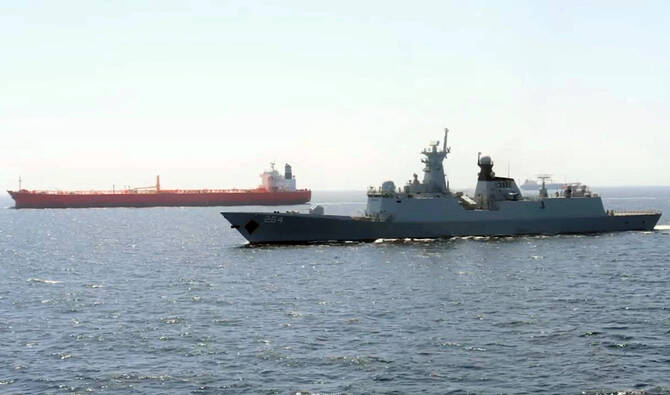
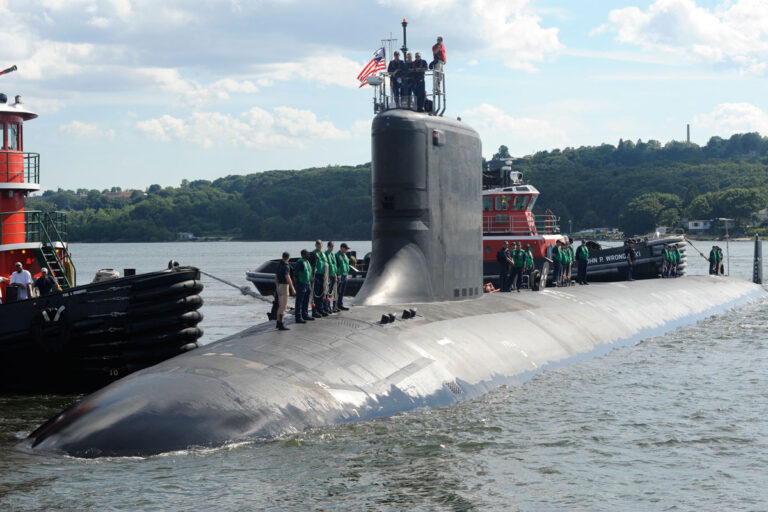
Under the proposal, Russia could station around 300 personnel and berth four warships simultaneously, including nuclear-powered units. Access to a deep-water port like Port Sudan would give the Russian Navy a permanent foothold, easing logistical constraints in the Black Sea and eastern Mediterranean. Nuclear-powered vessels could operate in the Red Sea and move toward the Mediterranean or Indian Ocean without reliance on politically sensitive ports.
Discussions reportedly focus on air defense systems that could quickly alter the battlefield. These include the S-300PMU2 Favorit, capable of detecting targets over 300 km away; the S-350 Vityaz, engaging aircraft and missiles within roughly 120 km; Buk-M2E for medium-range coverage of 45–50 km against aircraft, drones, and cruise missiles; and Pantsir-S1 for short-range defense, particularly against armed drones and loitering munitions.
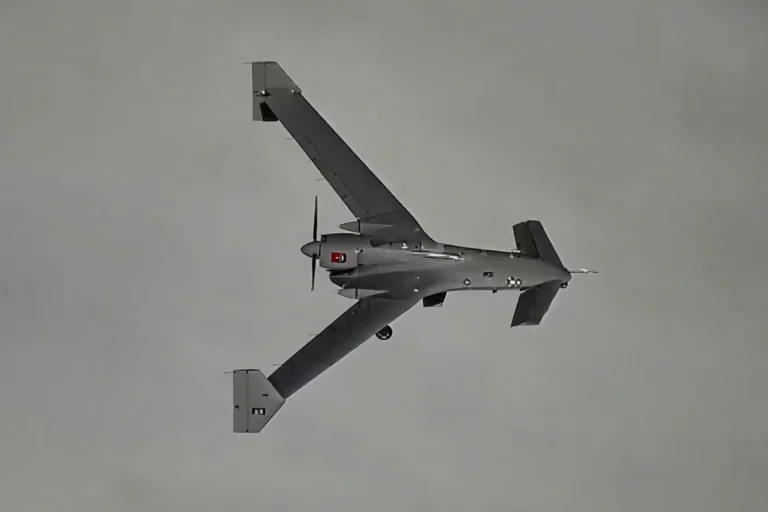
Khartoum is also seeking regular access to Russian guided munitions, including KAB laser- or satellite-guided bombs, as well as 122 mm and 220 mm rockets with trajectory correction kits. Since 2022, Russia has promoted tactical and MALE drones such as Orion-E and, to a lesser extent, Orlan-10E, often provided with full intelligence, surveillance, and reconnaissance support. The aim is to establish a multi-layered air defense network combining S-300PMU2 for high altitude, Buk-M2E for medium altitude, and Pantsir-S1 for low-altitude coverage, complicating Rapid Support Forces drone and missile operations and reinforcing the defense of Khartoum and Port Sudan.
The agreement would also secure mining concessions for Russian companies, following patterns seen in Central Africa and the Sahel with Russian-linked security entities. Sudan, Africa’s third-largest gold producer, has historically combined resource extraction with security operations. A naval base would strengthen a logistical corridor for personnel, equipment, and strategic commodities, helping the Sudanese army rebalance forces against the Rapid Support Forces, who control large parts of Darfur and threaten key eastern roads. Even limited Russian military support, including technical assistance and selective deliveries, already influences operational calculations, while Western powers remain cautious about deeper involvement.
For Russia, the strategic stakes extend far beyond Sudan. Moscow has long sought a permanent naval foothold beyond the Black Sea and Baltic Sea, where geography and political tensions limit operations. Its presence in Tartus, Syria, grants Mediterranean access but lacks a continuous supply chain to the Indian Ocean. A Red Sea base would provide near-permanent access to a key maritime route, enable extended deployments toward the Horn of Africa and East Africa, and allow warships armed with Kalibr cruise missiles, some with ranges exceeding 1,500 km, to project power across the Arabian Peninsula, Suez Canal approaches, and northern Indian Ocean.
On the Sudanese battlefield, modern air defenses like the S-300PMU2, Buk-M2E, and Pantsir-S1 would better protect army-held urban centers, particularly Khartoum and Port Sudan, against drones and rockets supplied to rebels externally. The integration of long-range missiles, electronically scanned radars, and interconnected command posts would create a coherent air defense network, allowing more offensive operations under a protective umbrella and reducing exposure of ground units, logistics hubs, and critical infrastructure. This would directly affect the mobility and operational tempo of the Rapid Support Forces.
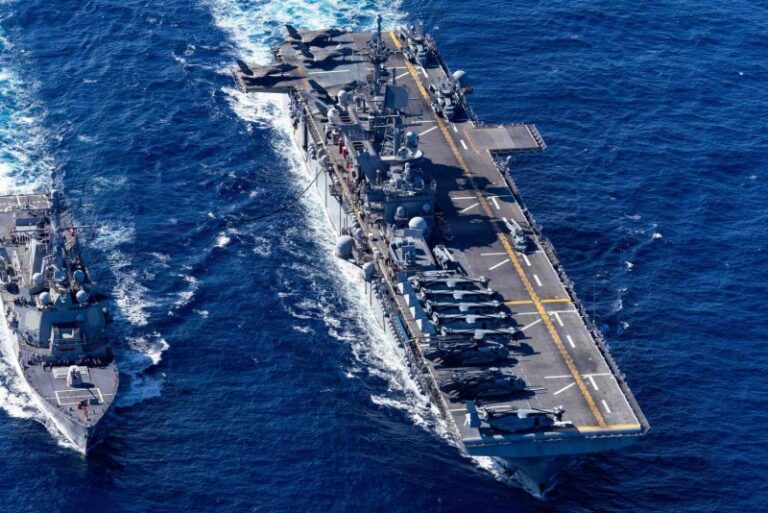
Geopolitically, a Russian base on the Red Sea would shift the regional security balance. The U.S. would face a heightened strategic contest with China, while regional powers like Saudi Arabia, Egypt, and Turkey would need to reassess their own military thresholds. A permanent Russian presence could set a precedent in East Africa, encouraging similar asymmetric arrangements between weakened states and external powers. Each new militarized port along this vital corridor signals evolving strategic dynamics and underscores the vulnerability of global trade to local conflicts and external rivalries.
About The Author