Rising costs are forcing Switzerland to reduce its planned purchase of 36 F-35A Lightning IIs, despite a US$7.5 billion budget approved for the next-generation fighter jets.
Switzerland decided to procure the F-35A Lightning II in June 2021, choosing it over the Eurofighter Typhoon, Dassault Rafale, and Boeing F/A-18E/F Super Hornet, after years of debate and a previously overturned Saab Gripen order via public referendum. The original plan was to acquire 36 aircraft for the Swiss Air Force with a CHF6 billion (US$7.5 billion) budget approved by voters. The F-35A was deemed the best value after a thorough technical evaluation.
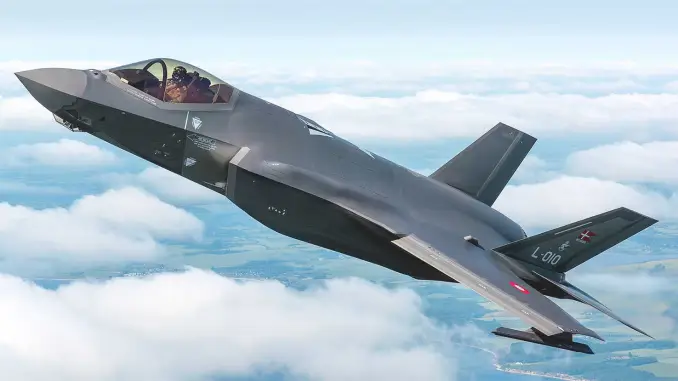
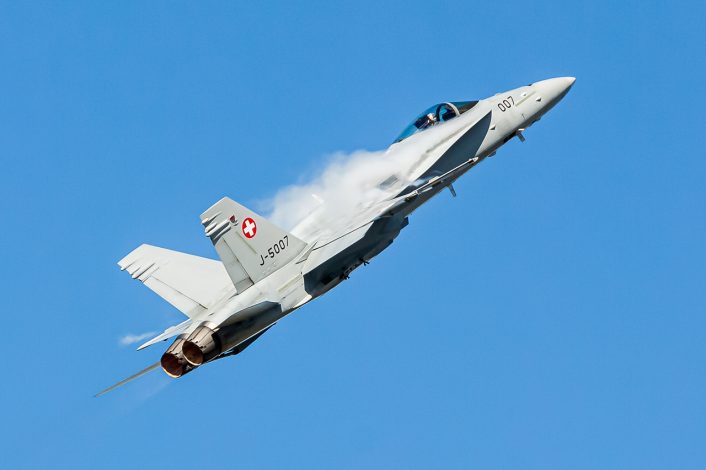
Rising costs due to inflation and supply chain increases have made the full purchase of 36 jets financially unfeasible. The Swiss Air Force plans to acquire as many aircraft as possible within the approved budget, though the exact number remains uncertain due to ongoing negotiations and potential future price adjustments. Delaying the order is not an option, as the existing F/A-18C/D Hornets, delivered in the 1990s, will exceed 30 years of service by their planned early-2030s retirement. A service life extension program (SLEP) for about half the Hornets will conclude by the end of 2027.
Switzerland’s political system is unique, combining a Federal Council, Federal Assembly, and strong direct democracy. Constitutional amendments require public approval, and laws can be challenged via referendum. Following the earlier Gripen rejection, the government avoided requesting additional budgets or using offset agreements to cover extra F-35 costs.
Despite strict neutrality, Switzerland maintains robust armed forces to ensure independence. Most personnel are conscripts; military service is mandatory for able-bodied males. Citizens retain weapons at home, and the country has numerous defensive positions and nuclear-hardened civilian shelters. Meiringen Air Base has an underground cavern network for its F/A-18 Hornets.
Until 2020, Swiss air defence was limited to daytime coverage. Following a 2014 incident where French and Italian fighters intercepted a hijacked plane before Swiss jets could respond, Swiss pilots trained with the RAF in the UK for night-time operations. This led to 24/7 air defence coverage, with annual exercises called YORKNITE held at RAF Leeming, Yorkshire.
Switzerland’s neutrality has been challenged by Russia’s actions in Ukraine. A 2024 report recommended revising neutrality laws, permitting Swiss-made arms exported under non-reexport rules to be sent to Ukraine, increasing cooperation with NATO and the EU, and raising defence spending from 0.7% to 1% of GDP.
Alongside the F-35, Switzerland plans to modernize its air defence systems. Short- and medium-range IRIS-T SLM missiles were ordered in July 2025, replacing older Rapier and Stinger systems, while longer-range Patriot systems ordered in 2022 have been delayed due to re-prioritization for Ukraine.
About The Author