Russia has received two newly built Tu-160M strategic bombers, marking a significant step in modernizing its long-range aviation fleet. The upgraded aircraft feature advanced avionics, new engines, and enhanced cruise missile capabilities, reinforcing Moscow’s nuclear and conventional deterrence while signaling long-term investment in strategic strike capabilities despite Western sanctions.
On December 17, 2025, Russia’s Defense Minister Andrei Belousov announced that the Aerospace Forces had received two new Tu-160M strategic missile carriers, according to the state news agency TASS. This delivery comes amid Western sanctions targeting Russia’s aerospace and defense sector, signaling Moscow’s commitment to maintaining and regenerating its long-range strike capability as a core component of both nuclear and conventional deterrence.
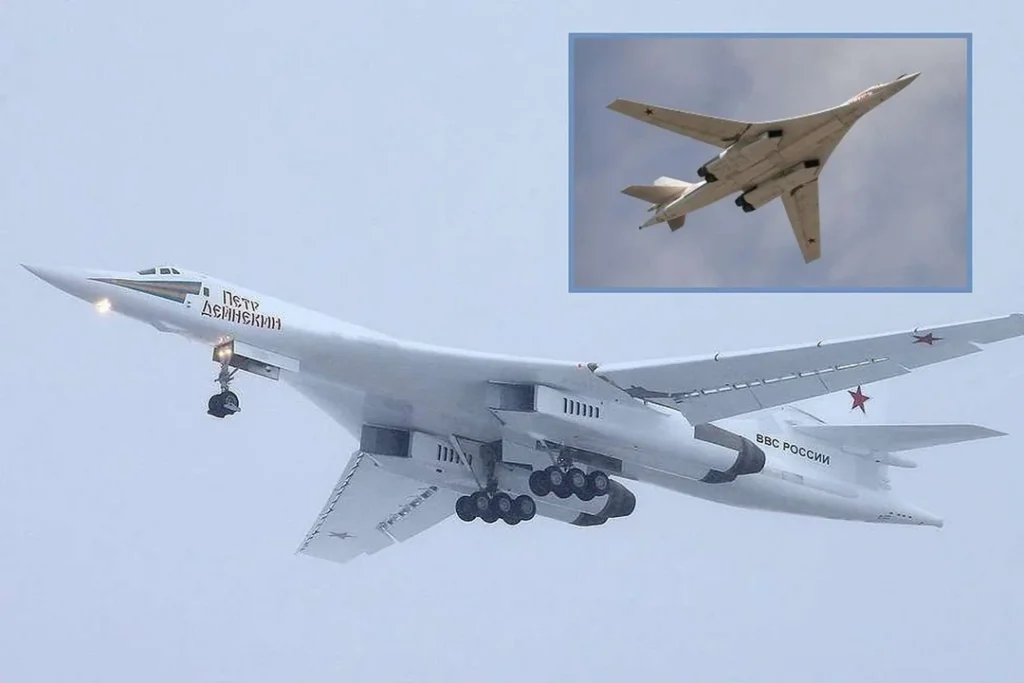
The Tu-160M is the latest extensively modernized variant of the Soviet-era Tu-160 supersonic heavy bomber, first developed in the 1970s and introduced into service in the late 1980s. While the bomber retains its large variable-geometry airframe, upgrades focus on internal systems: digital avionics, a modern glass cockpit, updated navigation and communications, enhanced defensive aids and electronic warfare capabilities, and the new NK-32-02 engine, which improves reliability, fuel efficiency, and long-term sustainment. These enhancements are intended to extend the aircraft’s operational life for decades and ensure compatibility with evolving long-range standoff weapons.
Designed primarily as a high-payload cruise missile platform, the Tu-160M is not intended to penetrate heavily defended airspace with unguided ordnance. It carries weapons in two internal bays with rotary launchers, accommodating up to twelve large cruise missiles per sortie, with total internal payload capacity ranging from 40 to 45 tonnes depending on configuration. The aircraft’s primary munitions include variants of the Kh-55 family—such as the conventional Kh-555 and the Kh-101/Kh-102 nuclear-capable series—but the internal bays can also host smaller missiles like the Kh-15 or, in some configurations, free-fall weapons.
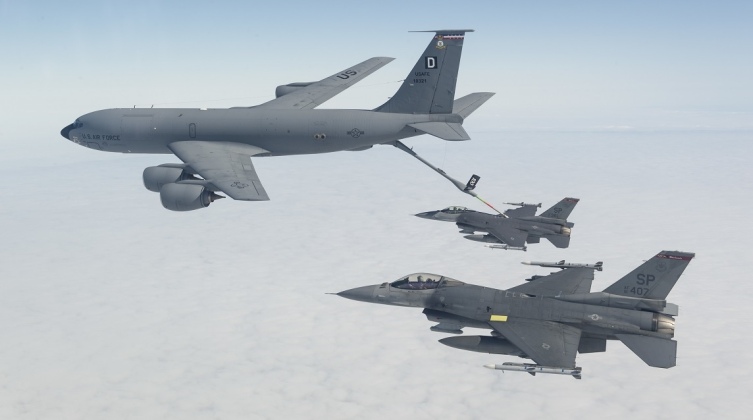
The Tu-160M’s operational purpose encompasses strategic nuclear deterrence, precision conventional strikes on fixed and relocatable infrastructure, and coordinated long-range missile launches from beyond advanced air-defense networks. With in-flight refueling and extended endurance, the bomber can reach optimal launch points while minimizing exposure to modern integrated air defenses.
These two new aircraft are part of a broader modernization and partial restart of Tu-160 production at the Kazan Aviation Plant, initiated in the mid-2010s. Russia has progressively upgraded existing Tu-160s, conducted flight trials of Tu-160M models with new engines and avionics, and rolled out newly built aircraft. The urgency of these efforts has increased as Ukrainian long-range drone strikes have damaged or destroyed several Tu-95MS and Tu-22M3 bombers, highlighting the vulnerability of older fleets. Each newly delivered Tu-160M helps offset attrition and the aging of Russia’s long-range aviation assets.
Beyond increasing the number of operational bombers, these deliveries carry strategic significance. Russia’s air component, though smaller than its land- and sea-based nuclear forces, provides flexibility, recall capability, and political value. By presenting new Tu-160M bombers during the Defense Ministry meeting, Moscow emphasizes that long-range aviation remains central to its nuclear deterrence, conventional strike power, and strategic signaling despite sanctions and production challenges.
For NATO, particularly European members, the modernization of Russia’s cruise-missile platforms underscores the need for layered air and missile defenses capable of countering large-scale long-range attacks from deep within Russian territory. These deliveries also highlight Russia’s industrial capacity: as long as the Kazan plant continues to produce and upgrade Tu-160 airframes, Moscow can sustain and modernize its bomber fleet, even if next-generation programs like the PAK DA face delays.
While the addition of two Tu-160M aircraft does not radically alter the strategic balance, it demonstrates Moscow’s long-term commitment to long-range aviation. Each new or modernized bomber enhances the number of platforms capable of launching long-range cruise missiles, supports the narrative of robust strategic forces, and provides a visible tool for military and diplomatic signaling. The key challenge will be maintaining a steady delivery schedule while safeguarding these aircraft, turning isolated announcements into a sustained reinforcement of Russia’s long-range strike capability.
About The Author