U.S. Army seeks industry input to modernize and sustain UH-60M Black Hawk fleet beyond 2050, exploring autonomy, AI, launched effects, and expanded repair capacity.
The U.S. Army has begun early efforts to modernize and sustain its UH-60M Black Hawk helicopter fleet, aiming to keep the platform in service well beyond mid-century as operational requirements and technology evolve.
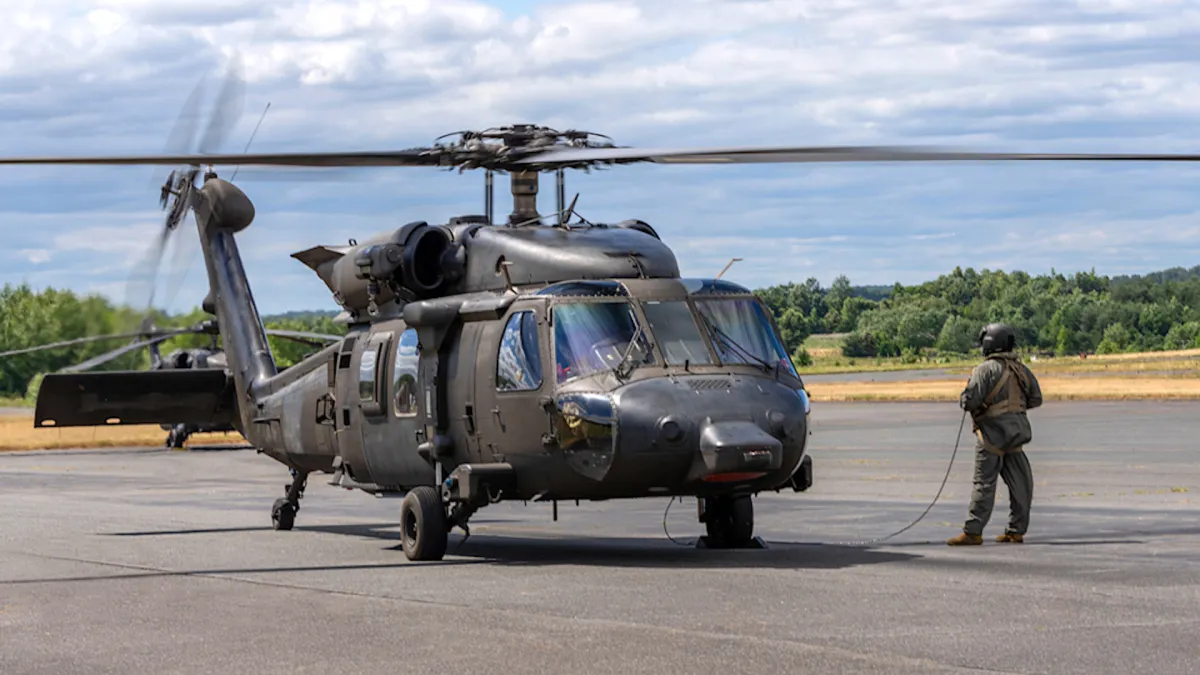
The Capability Program Executive Aviation, through the Utility Helicopters Project Office, has issued a Request for Information (RFI) to industry focused on long-term modernization and sustainment of the UH-60M. The initiative seeks to assess industrial capacity and explore options for integrating new capabilities into the existing fleet.
The Army intends to operate the UH-60M beyond 2050, more than 44 years after the first M-model Black Hawks entered service in 2006. With a long operational record and wide mission set, the helicopter remains central to Army Aviation. Across all variants, the Black Hawk fleet has accumulated over 15 million flight hours, supporting combat, logistics, medical evacuation, and domestic response missions.
Manufactured by Sikorsky, the UH-60M remains one of the most widely used military utility helicopters worldwide. Sustaining the aircraft at scale will require a stable and cost-effective industrial base as airframes age and operational tempos remain high.
The RFI outlines potential partnerships with industry to introduce emerging technologies into the Black Hawk fleet, including autonomy, artificial intelligence, and launched effects. These innovations aim to support the continuous transformation of Army Aviation formations.
The program is also expected to enhance the Army’s sustainment enterprise, increasing capacity for airframe repairs and component overhauls to maintain readiness as the fleet continues to log flight hours. Sustainment demand is projected to grow as the aircraft remains operational for decades to come.
The RFI seeks feedback from industry on manufacturing capabilities and approaches to manage both technical and financial risks over time. Army planners indicated the effort could eventually involve other U.S. military services, government agencies, and allied partners operating UH-60 variants, reflecting the helicopter’s global use.
COL Ryan Nesrsta, UHPO project manager, stated, “The Black Hawk has proven itself across decades of service, and the modernization and sustainment efforts in this initiative ensure our soldiers can continue to rely on the Black Hawk as the workhorse of Army Aviation for decades to come.”
The RFI does not commit the Army to a specific acquisition strategy or timeline but lays the groundwork for a future program that could shape the Black Hawk’s role well into the latter half of the century. This initiative balances investment in future vertical lift programs with the need to maintain existing fleets.
About The Author