The Arleigh Burke-class destroyer USS Frank E. Petersen Jr. (DDG 121) has left Guam to join routine operations in the U.S. 7th Fleet area, bolstering the Abraham Lincoln Carrier Strike Group and highlighting the U.S. Navy’s growing forward presence in the Indo-Pacific amid escalating regional security challenges.
On December 20, 2025, the U.S. Navy’s Arleigh Burke-class guided-missile destroyer USS Frank E. Petersen Jr. (DDG 121) departed Guam to begin routine operations within the U.S. 7th Fleet area of responsibility, according to U.S. defense officials. Assigned to the Abraham Lincoln Carrier Strike Group, the destroyer’s mission is to provide layered protection for the aircraft carrier as U.S. naval forces maintain an expanded presence across the Indo-Pacific region.
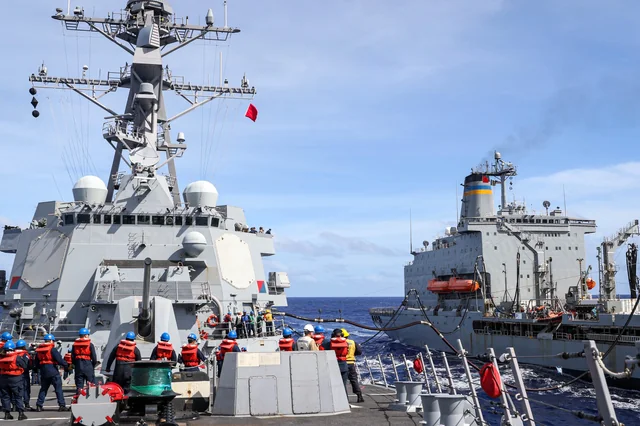
The departure follows the strike group’s arrival in Guam on December 11, 2025, reflecting a broader U.S. effort to strengthen forward-deployed naval forces amid intensifying strategic competition in the Indo-Pacific. The region has witnessed growing capabilities in long-range missiles, advanced naval aviation, and anti-access/area-denial systems, driving the need for persistent and resilient U.S. maritime power.
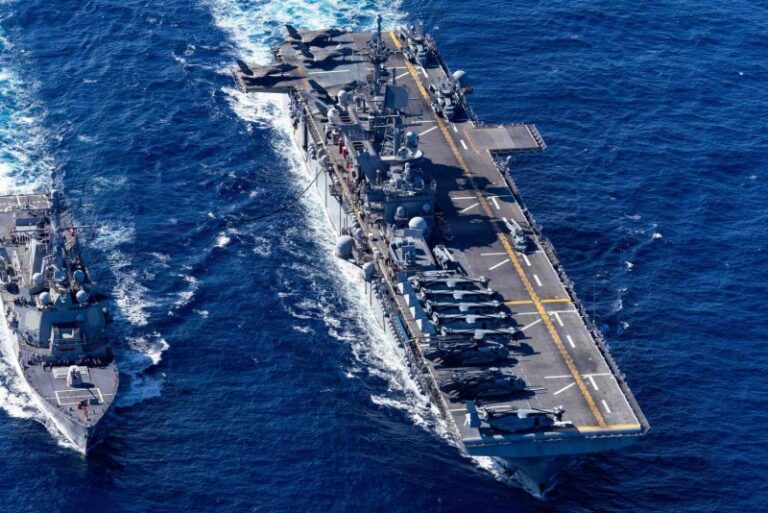
USS Frank E. Petersen Jr. serves as a critical element of the strike group’s defensive screen, providing continuous air and missile defense for the carrier and its embarked air wing. As carrier strike groups operate within the range of sophisticated anti-ship missiles and unmanned systems, escort destroyers have become central to maintaining survivability and operational freedom.
The U.S. Navy’s enhanced presence also aims to protect key sea lines of communication that carry a significant portion of global trade and energy flows. Ensuring naval dominance in the region helps maintain freedom of navigation and reduces the risk of coercion or disruption in strategic chokepoints such as the South China Sea.
Arleigh Burke-class destroyers like USS Frank E. Petersen Jr. are well-suited for this role. Equipped with the Aegis Combat System and SPY-1D(V) radar, the destroyer can detect, track, and engage multiple aerial and missile threats simultaneously, extending protection for the carrier and other high-value units.
The ship’s Mk 41 vertical launch system enables deployment of Standard Missile interceptors for air and missile defense, as well as Tomahawk cruise missiles for long-range strike missions. This dual capability supports deterrence and combat operations, allowing the strike group to respond quickly to crises while maintaining layered defense.
In addition to high-end conflict deterrence, the U.S. Navy’s forward presence strengthens interoperability with regional allies and partners. Deployments enable joint exercises, information sharing, and coordinated patrols that enhance collective maritime security and demonstrate unified commitment to regional stability.
By reinforcing carrier strike groups with modern destroyers and sustaining deployments from forward hubs like Guam, the U.S. Navy is adapting to a more contested Indo-Pacific environment. These operations reflect a long-term strategic commitment rather than temporary surge activity.
The deployment of USS Frank E. Petersen Jr. exemplifies how advanced surface combatants paired with carrier strike groups enhance defense against evolving threats, safeguard maritime trade routes, and support a balance of power that underpins a free and open Indo-Pacific.
About The Author