Pakistan and Indonesia held talks in Islamabad on January 12, 2026, over a possible deal for around 40 JF-17 Thunder fighter jets.
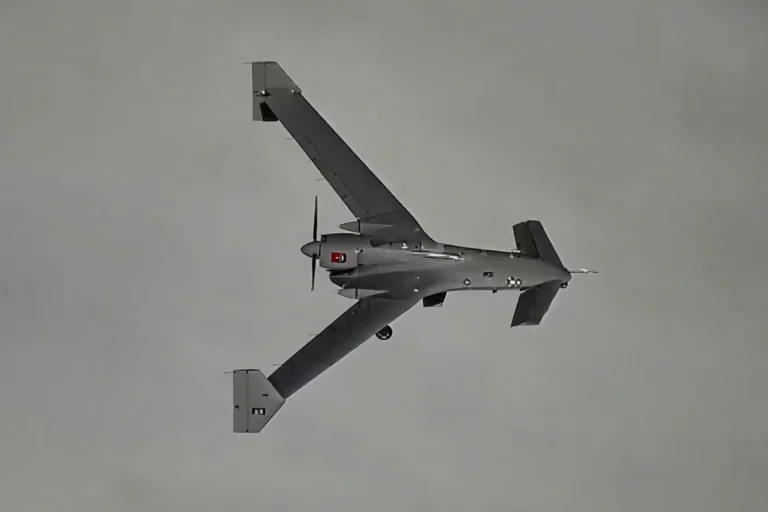
On January 12, 2026, Reuters reported that Pakistan and Indonesia held advanced talks in Islamabad on a possible deal for around 40 JF-17 Thunder fighter jets. The meeting brought together Indonesia’s Defence Minister Sjafrie Sjamsoeddin and Pakistan Air Force Chief Air Chief Marshal Zaheer Ahmed Baber Sidhu. In addition to fighter aircraft, the discussions also covered Shahpar armed drones, air-defense systems, and long-term training cooperation between the two air forces. While no final numbers, prices, or delivery timelines were announced, both sides described the talks as serious and wide-ranging.
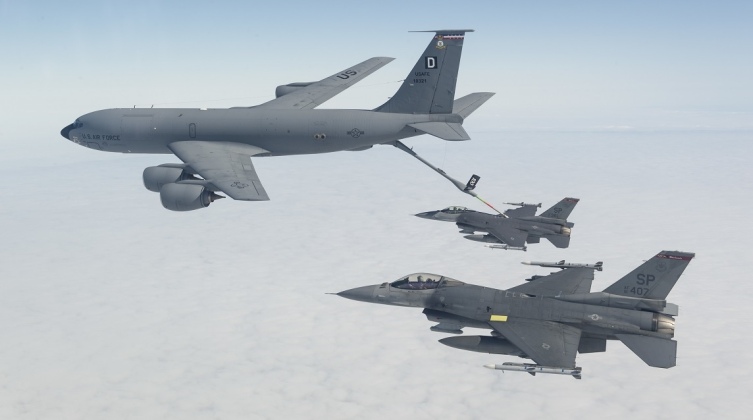
Indonesia would be adding the JF-17 to one of the most diverse fighter fleets in the world. As of early 2026, the Indonesian Air Force operates U.S.-built F-16s, Russian Su-27 and Su-30 fighters, and a small number of French Rafales. It also flies a mix of light attack and trainer aircraft, including South Korean T-50s, British Hawks, and Brazilian A-29 Super Tucanos. A massive modernization drive is already underway, including orders for 42 Rafales, 48 Turkish Kaan fighters, 42 Chinese J-10Cs, and possible purchases of South Korean KF-21s and U.S. F-15EXs. If all deals go through, Indonesia could field more than 170 modern fighters even before any JF-17s are added.
This highly diversified fleet reflects Indonesia’s strategic reality. The country must defend an archipelago of more than 17,000 islands spread over 5,000 kilometers, which requires a large number of available aircraft rather than only a small number of high-end jets. Past arms embargoes in the late 1990s also pushed Jakarta to avoid dependence on any single supplier. By mixing expensive fighters like the Rafale with more affordable platforms such as the JF-17, Indonesia can maintain numbers, avoid production delays, and spread political risk, even though this increases maintenance and training complexity.
The Indonesia talks fit into Pakistan’s broader effort to expand JF-17 exports. The fighter has already been delivered to Azerbaijan and is part of negotiations with countries such as Libya and Sudan. Pakistan has been offering the aircraft as part of wider defense packages that include drones, air-defense systems, training, and technical support, rather than as a stand-alone sale. This approach allows Pakistan to build longer-term defense relationships instead of one-off transactions.
Other nations have also shown interest in the JF-17. Bangladesh has discussed it alongside Super Mushshak trainer aircraft, while Saudi Arabia and Iraq have been linked to possible deals that include the fighter. These negotiations underline how the JF-17 is being marketed as a flexible and affordable multirole jet suitable for air forces that need capability growth without the high costs of Western or heavy Russian fighters.
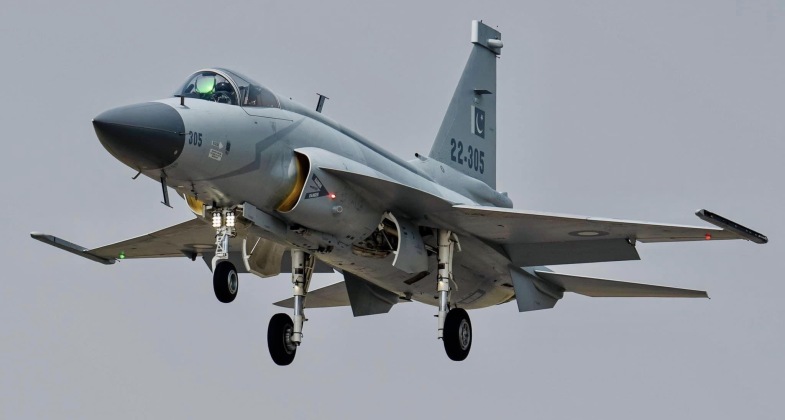
The JF-17 Thunder is a lightweight, single-engine multirole fighter powered by the RD-93 turbofan. It features a modern glass cockpit, fly-by-wire controls, and multiple weapon stations for air-to-air missiles, guided bombs, and external fuel tanks. Newer versions are equipped with AESA radar, improved electronic warfare systems, and compatibility with beyond-visual-range missiles. The aircraft is designed to operate from dispersed bases with relatively simple maintenance requirements, making it attractive to air forces seeking a cost-effective combat aircraft.
About The Author