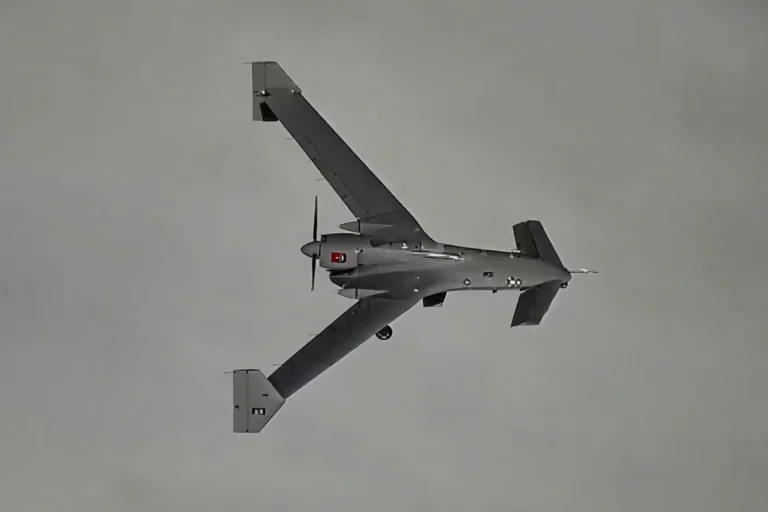
Uzbekistan recently carried out a live-fire air defense drill using Chinese-made FD-2000B, KS-1C, and FM-90 missile systems, showcasing layered engagement capabilities and China’s role as a key supplier of export-configured air defense platforms.
Uzbekistan’s armed forces recently carried out a live-fire air defense exercise utilizing multiple Chinese-made surface-to-air missile systems, showcasing the country’s efforts to enhance its multi-layered air defense capabilities.
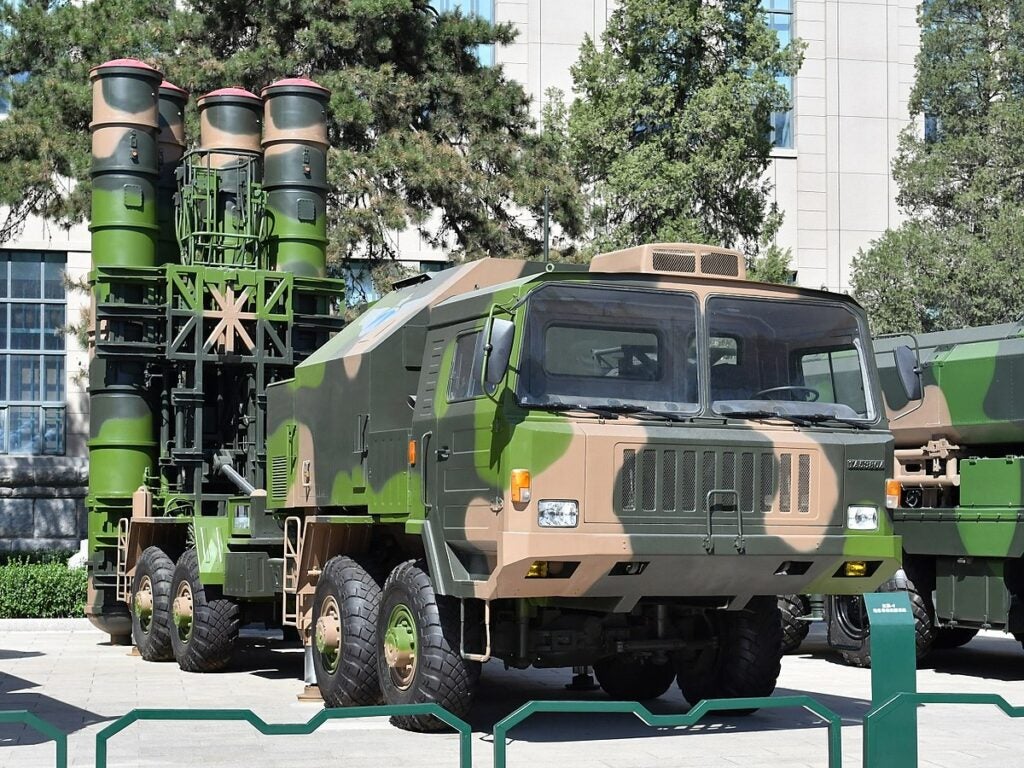
The drill featured three Chinese systems: the long-range FD-2000B, the medium-range KS-1C, and the short-range FM-90. All missiles were launched as part of an integrated exercise designed to train crews in detecting, tracking, and engaging aerial threats across various ranges and altitudes. The focus was on coordinated operations among the systems rather than testing any single platform independently.
The FD-2000B, an export variant of China’s HQ-9 family, was used to simulate long-range interception tasks, while the KS-1C handled medium-range targets. The FM-90 system provided short-range defense against low-altitude threats, protecting critical sites and maneuver units from aircraft and precision-guided munitions.
Military analyst Shahryar Pasandideh noted that China generally exports downgraded or limited versions of its domestic air defense systems, retaining advanced capabilities for its own forces. Uzbekistan’s systems are believed to be configured according to standard export specifications.
The FD-2000B is capable of engaging aircraft, cruise missiles, and other aerial targets at extended ranges, while the KS-1C employs radar-guided interceptors for medium-range threats. The FM-90 is derived from earlier Chinese short-range designs and provides protection against low-flying aircraft and missiles.
Pasandideh also pointed out that exporting advanced air defense systems involves reputational and security risks for China. While sensitive technology is typically restricted, operational exercises can reveal capabilities to foreign intelligence services, especially in countries with limited technical oversight or governance challenges.
China has increasingly promoted its air defense systems to developing and middle-income countries, offering layered solutions that cover short-, medium-, and long-range threats. These systems often appeal to nations seeking alternatives to Russian or Western suppliers due to lower costs, fewer political restrictions, and faster delivery timelines.
For Uzbekistan, the exercise demonstrates a commitment to building a multi-tiered air defense network capable of countering a broad spectrum of aerial threats, including manned aircraft, drones, and cruise missiles. The combined use of multiple missile types in a single drill highlights a focus on interoperability and command-and-control integration rather than the performance of individual systems.
About The Author