In the opening hours of the conflict between the United States, Israel, and Iran, the scale of firepower used shocked military analysts around the world. Within just 36 hours, more than 3,000 missiles, bombs, and interceptors were launched in what has quickly become one of the most intense exchanges of modern precision warfare, highlighting the potential for a full-blown US Israel Iran missile war.
According to estimates from analysts at the Payne Institute for Public Policy, the first wave of attacks revealed not only the devastating speed of modern military operations but also a hidden vulnerability that could reshape future wars: the fragile supply chains behind advanced weapons.
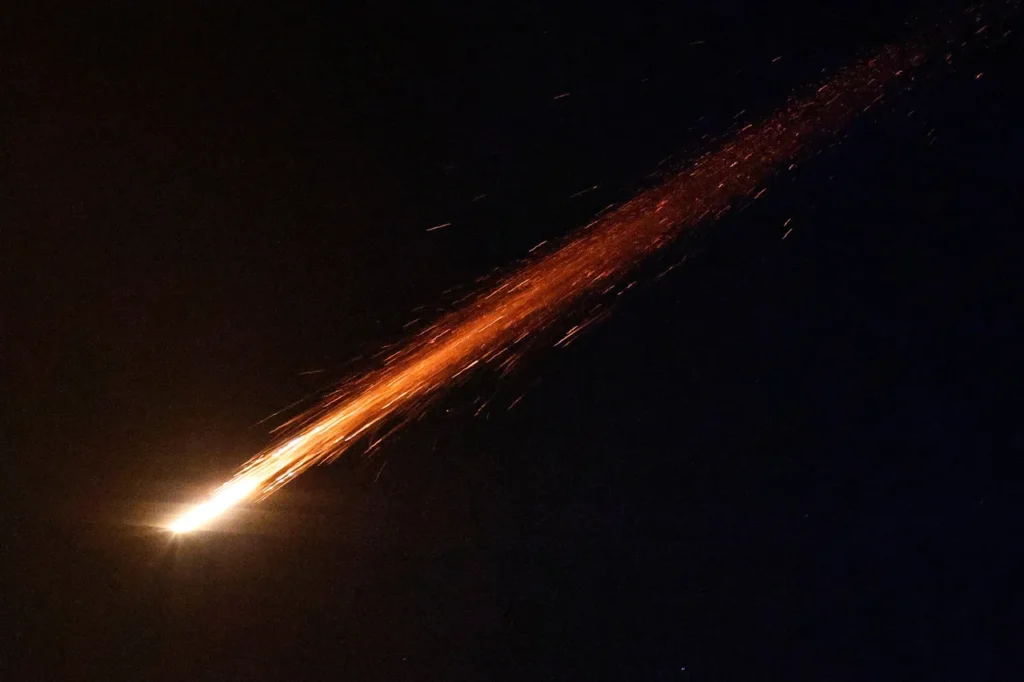
The First Strike: Massive Firepower
The opening phase of the campaign saw the United States and Israel unleash a wide range of advanced precision weapons against Iranian military infrastructure.
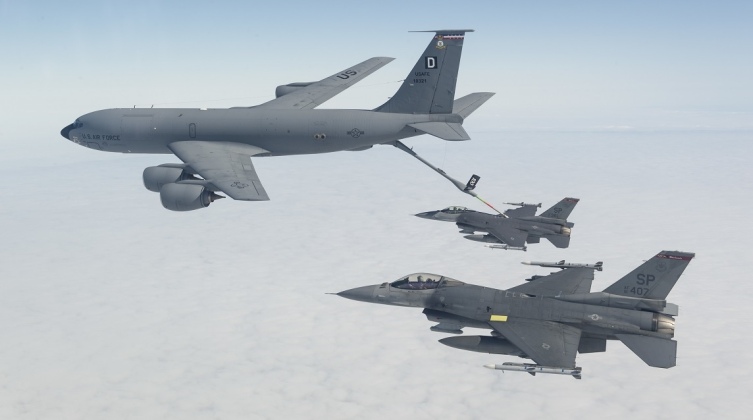
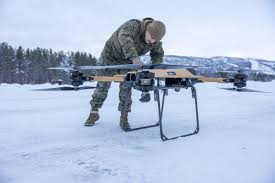
American forces deployed an arsenal designed to dismantle radar networks, missile sites, and command facilities. Around 210 JDAM precision-guided bombs were dropped on key targets, while 120 Tomahawk cruise missiles struck strategic installations from long distances. In addition, roughly 120 low-cost attack drones were launched to overwhelm defenses and gather intelligence.
One of the most critical elements of the U.S. attack involved 90 AGM-88 anti-radiation missiles, specifically designed to hunt down and destroy radar systems. By targeting Iran’s air-defense sensors, these missiles aimed to blind Iranian defenses and create openings for follow-up strikes.
At the same time, Israeli forces carried out their own large-scale operations. Israeli aircraft reportedly used around 280 Spice-guided bombs and 140 smart bomb kits to strike military targets. They also fired approximately 70 Rampage supersonic missiles, weapons known for their high speed and ability to penetrate defended airspace.
In addition, Israel launched around 50 Delilah cruise and loitering missiles, weapons capable of circling above the battlefield before striking high-value targets with precision.
Together, these attacks formed one of the most concentrated uses of precision-guided munitions in modern warfare.
Iran’s Retaliation
Iran responded with a large-scale counterattack that spread across multiple regions.
Analysts estimate that Tehran launched more than 1,000 weapons in retaliation. This barrage included roughly 380 ballistic missiles, capable of traveling hundreds or even thousands of kilometers at high speeds.
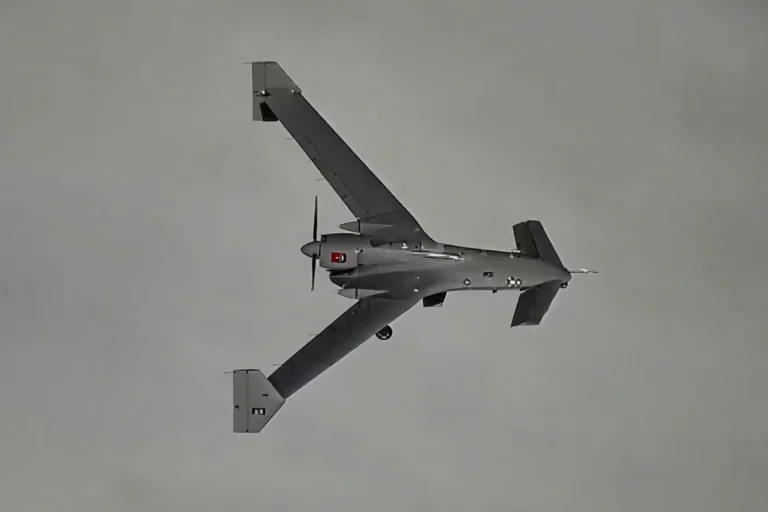
Alongside these missiles, Iran deployed about 700 Shahed drones, a class of loitering munitions designed to fly long distances before crashing into targets.
The drone swarms were intended to overwhelm air defenses by attacking simultaneously from multiple directions. Even if many were intercepted, their sheer numbers could strain defensive systems and force opponents to use expensive interceptor missiles.
Iran also launched around 50 air-defense missiles during the exchanges, targeting incoming aircraft and cruise missiles.
The scale of the retaliation demonstrated Iran’s growing reliance on drone warfare and missile saturation tactics, a strategy that has become increasingly common in modern conflicts.
The Defensive Shield
As Iranian missiles and drones filled the skies, defensive systems across the region sprang into action.
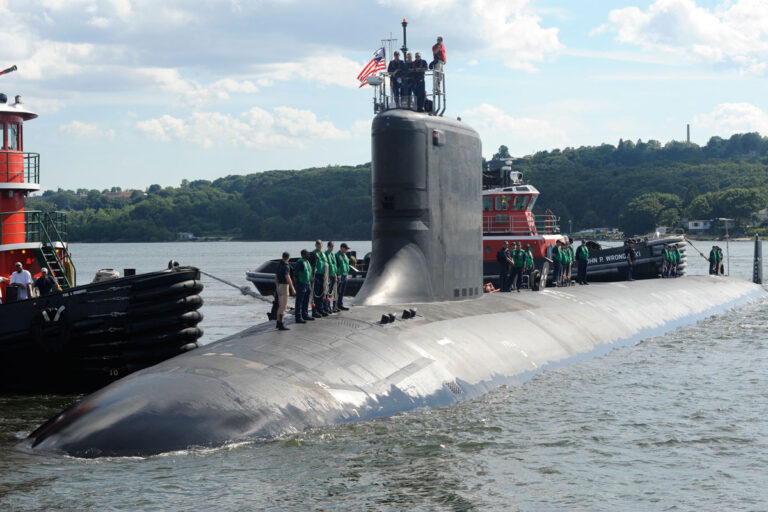
The United States deployed several layers of missile defense. U.S. naval vessels launched approximately 180 SM-2, SM-3, and SM-6 interceptors, designed to destroy incoming threats before they reach their targets.
On land, American forces fired around 90 Patriot PAC-2 and PAC-3 interceptors, which specialize in destroying ballistic missiles and aircraft.
Another powerful system, the THAAD missile defense platform, launched roughly 40 interceptors to destroy high-altitude ballistic missiles.
Israel also relied heavily on its own defensive network. Its systems fired about 70 Tamir interceptors from the Iron Dome network, along with 40 Arrow missiles designed to destroy long-range ballistic threats.
In addition, 35 interceptors from David’s Sling were launched to counter medium-range missiles.
Regional allies also played a role. Gulf states reportedly fired about 250 Patriot PAC-3 missiles and 30 THAAD interceptors in support of the defensive effort.
The Hidden Problem: Supply Chains
While the defensive systems successfully intercepted many incoming threats, the massive volume of weapons used revealed a deeper strategic concern.
Modern missiles, drones, and precision-guided bombs are not only expensive—they also rely on complex supply chains involving rare minerals and specialized components.
Materials such as cobalt, tungsten, and rare earth elements are essential for guidance systems, electronics, sensors, and rocket motors.
The problem is that many of these resources are produced by only a handful of countries. In several key mineral markets, global supply is heavily influenced by companies from China.
This creates a strategic dilemma for Western defense industries. If a conflict continues for months or years, replenishing missile stockpiles may become increasingly difficult.
Factories cannot simply produce thousands of advanced missiles overnight. Each weapon requires specialized components, precision manufacturing, and raw materials sourced from global supply networks.
A New Reality of Modern War
The early hours of this conflict illustrate how modern warfare has evolved.
Wars today are fought not only with aircraft, missiles, and drones—but also with industrial capacity and supply chains.
Even the most advanced militaries can face challenges if their production systems cannot keep pace with the speed at which weapons are used on the battlefield.
For now, missile defense systems have managed to intercept many of the incoming threats. But the sheer scale of the exchanges raises an important question for military planners:
Can modern arsenals sustain this level of combat for long?
If the conflict continues, the answer may depend not just on strategy or technology—but on the global supply of the minerals and components that power modern weapons.
About The Author