Iraq’s oil sector is facing one of its most serious disruptions in decades as escalating conflict in the region severely restricts shipping through the Strait of Hormuz, a crucial maritime corridor for global energy trade.
Industry sources say crude production from Iraq’s major southern oilfields has dropped dramatically—falling by nearly 70 percent—to roughly 1.3 million barrels per day. Before the current crisis erupted, those same fields were producing around 4.3 million barrels daily, making them the backbone of Iraq’s energy exports.
The sharp decline is largely tied to the inability of oil tankers to safely navigate the narrow shipping lane connecting the Persian Gulf to international markets. With maritime movement heavily disrupted by the ongoing Iran–Israel conflict, Iraqi crude shipments have slowed to a trickle.
Officials within the Basra Oil Company say storage tanks in southern Iraq have already reached maximum capacity. As exports stall, the country has little choice but to scale back production while diverting the remaining crude supply to domestic refineries.
A Global Energy Chokepoint Under Pressure
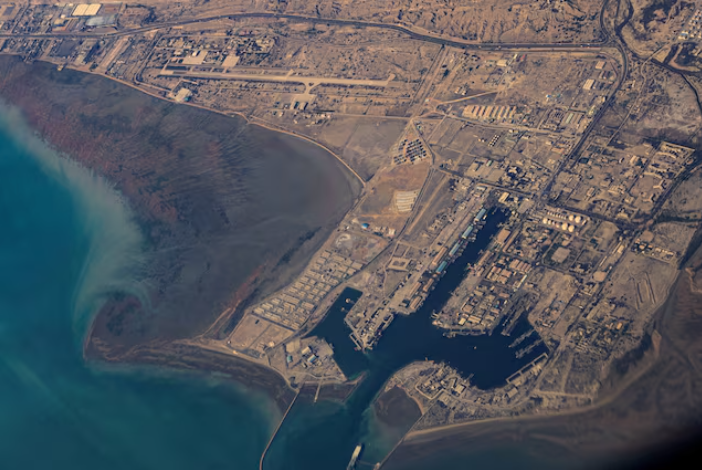
The Strait of Hormuz is one of the most strategically important oil transit routes in the world. Roughly 20 percent of global oil and liquefied natural gas shipments pass through the narrow waterway each day.
Any disruption in this corridor can ripple across international energy markets. Analysts warn that prolonged instability in the region could tighten global supply and push energy prices higher.
For Iraq, the impact has been immediate and severe.
Exports from the country’s southern terminals have fallen to an estimated 800,000 barrels per day, far below normal levels. On one recent day, only two tankers were able to complete loading operations before maritime traffic effectively stopped.
The vessels—identified as the Cospearl Lake and Yuan Hua Hu—each loaded around two million barrels of crude before departing the region. With no additional ships arriving at Iraqi terminals afterward, export activity was temporarily halted.
Financial Pressure Mounting
The slowdown comes at a difficult moment for Iraq’s economy. The country depends heavily on oil exports to fund government operations, public salaries, and infrastructure projects.
According to Iraqi officials, crude sales generate more than 90 percent of the country’s total revenue. Any sustained drop in exports could quickly strain public finances and limit the government’s ability to maintain spending.
A senior official in Iraq’s oil ministry described the current disruption as the most serious operational challenge the sector has encountered in over two decades.
Before the crisis, Iraq was exporting approximately 3.3 million barrels per day from its southern oilfields, according to recent government data.
Uncertainty for Global Markets
Energy analysts say the situation remains fluid. If shipping routes through the Strait of Hormuz remain restricted, Iraq may be forced to keep production at reduced levels for an extended period.
Such a scenario would not only hurt Iraq’s economy but could also affect global oil supply chains. With several Gulf producers relying on the same maritime route, disruptions could trigger volatility in international energy markets.
For now, the country’s oil sector is operating under extraordinary pressure, balancing domestic refinery needs while waiting for safe export routes to reopen.
Whether shipping traffic resumes soon or the disruption drags on will likely determine how severe the economic consequences become—not only for Iraq but for the broader global energy system.
About The Author