Tensions across the Middle East continue to escalate as senior Iranian military leaders signal that Tehran’s missile capabilities may be far greater than many of its adversaries anticipate. Speaking from Tehran, Major General Ali Abdollahi, a senior commander at Khatam al-Anbia Central Headquarters, warned that Iran’s military strength is often underestimated and that the country prefers to demonstrate its capabilities through battlefield actions rather than public statements.
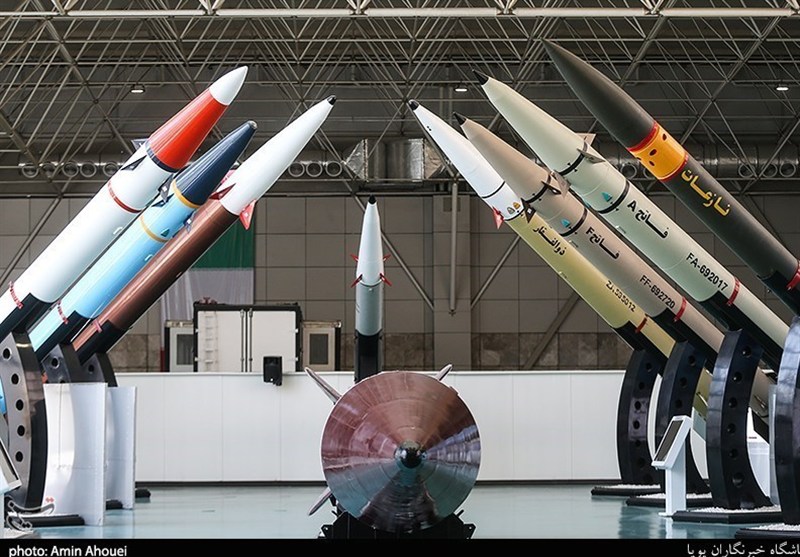
According to the commander, both the United States and Israel have repeatedly misjudged Iran’s military readiness. Abdollahi suggested that Iran’s strategy has consistently focused on operational preparedness rather than rhetorical threats. He emphasized that the Iranian armed forces have spent years refining their missile technology, improving accuracy, survivability, and strike power. These developments, he said, are the result of decades of military experience and lessons drawn from earlier conflicts.
Iranian officials have long argued that their missile program is designed to deter external aggression and to ensure that the country can respond quickly to any military pressure. Abdollahi claimed that the true scale of Iran’s missile arsenal remains unknown to its adversaries, adding that estimates made by foreign analysts often fail to reflect the full extent of Iran’s capabilities. According to him, any real understanding of the country’s military strength would only emerge during actual combat operations.
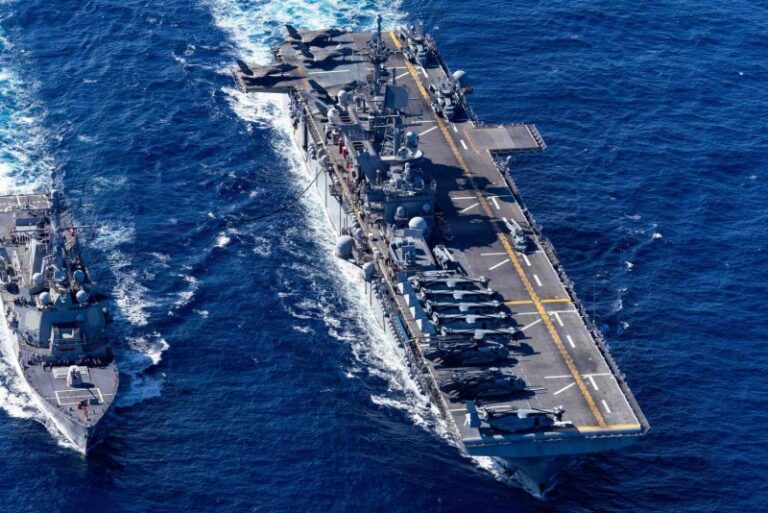
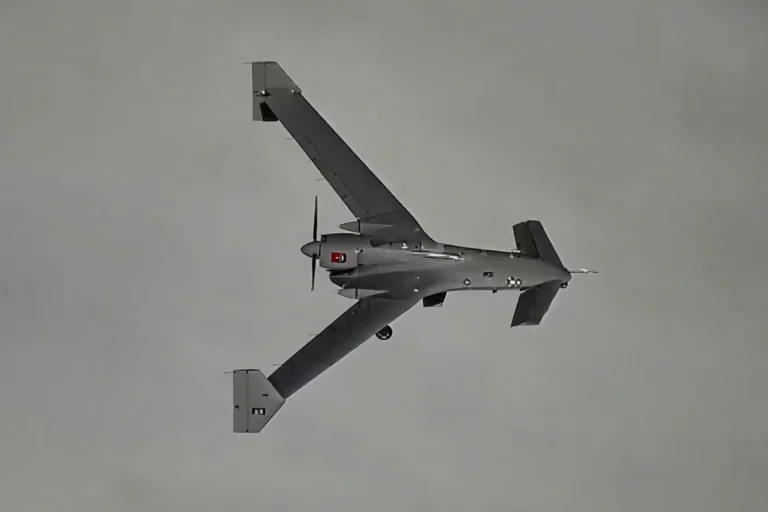
The remarks come at a time of intense confrontation following the assassination of Ali Khamenei during a wave of coordinated strikes that Iranian authorities attribute to the United States and Israel. The attacks reportedly targeted a range of military and infrastructure sites across Iran and resulted in significant casualties. Tehran has since launched retaliatory operations involving ballistic missiles and drones against what it describes as American and Israeli military positions in the region.
As the conflict expands, analysts warn that the growing exchange of strikes risks drawing more regional actors into the crisis. Iran’s leadership continues to signal that its response will be sustained, while Washington and Tel Aviv remain on high alert. With both sides demonstrating advanced military capabilities, the possibility of further escalation now looms over an already volatile Middle Eastern security landscape.
About The Author