US Weighs Special Forces Operation to Secure Iran’s Near-Weapons-Grade Uranium
Concerns are rising in Washington over the fate of a large stockpile of highly enriched uranium in Iran, prompting American military planners to examine a risky contingency plan: sending special forces into Iranian territory to secure the material if its location is confirmed.
The debate follows months of uncertainty surrounding Iran’s nuclear inventory after several key nuclear facilities were damaged during a brief but intense conflict between Israel and Iran last year.
Officials involved in diplomatic discussions say the uncertainty has grown because international inspectors have been unable to verify the status of the uranium for many months.
Monitoring Disrupted After Nuclear Strikes
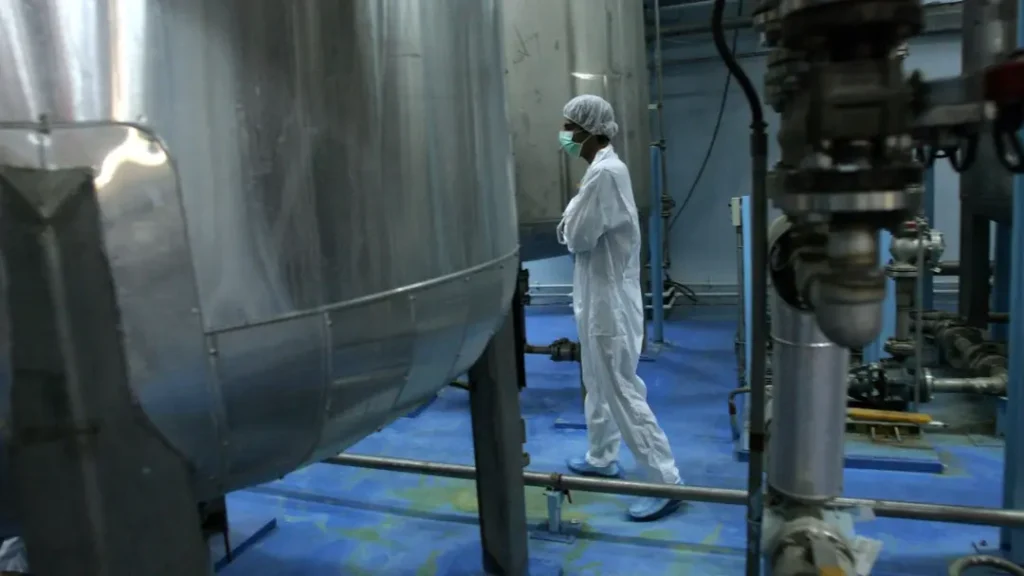
Before the conflict, inspectors from the International Atomic Energy Agency regularly monitored Iran’s nuclear facilities, including sites near the city of Isfahan.
However, monitoring stopped after major nuclear installations at Fordow Fuel Enrichment Plant and Natanz Nuclear Facility were hit during airstrikes in the war between Israel and Iran.
According to Western officials, inspectors have not been able to confirm the exact location of a significant uranium stockpile for nearly nine months. The lack of oversight has triggered fears that the material could have been moved or hidden during the chaos of the conflict.
Satellite imagery reviewed by inspectors reportedly showed unusual activity near storage tunnels at the Isfahan nuclear complex shortly before the strikes occurred. This raised the possibility that the uranium may have been relocated.
A Stockpile Close to Weapons-Grade
At the center of the concern is roughly 441 kilograms of highly enriched uranium that was believed to be stored near Isfahan before the conflict.
American assessments suggest that if this uranium were further refined, it could theoretically produce material for as many as 11 nuclear weapons.
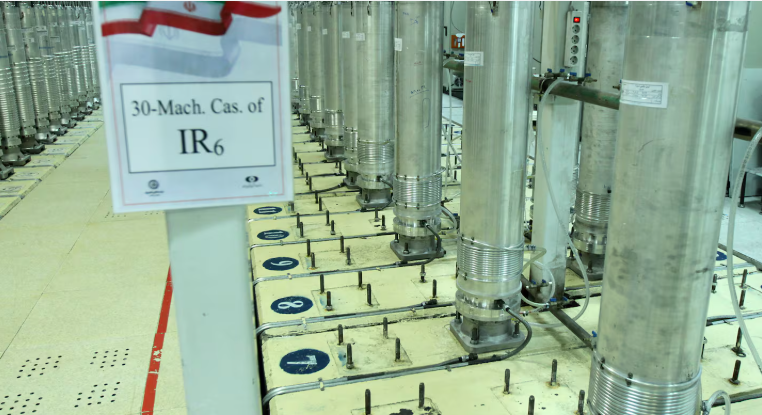
In addition to this high-grade material, Iran is also believed to possess over 8,000 kilograms of uranium enriched at lower levels, which could potentially be upgraded to higher enrichment levels if the country chose to pursue nuclear weapons.
Analysts note that although Iran has developed the technical capability to enrich uranium to high levels, there is still no definitive proof that Tehran has made a political decision to build a nuclear bomb.
Washington Examines Military Options
Inside Washington, officials say military planners are quietly evaluating what options might exist if the missing uranium is located.
One scenario reportedly under discussion involves deploying American special operations forces to secure the material directly. The mission would only be considered if intelligence agencies were able to confirm the exact location of the uranium.
US officials say two possible approaches are being studied.
The first option would involve sending specialized teams into the facility to dilute the uranium on site, effectively reducing its enrichment level so that it could no longer be used in a nuclear weapon.
The second option would be removing the uranium from Iran entirely, transporting it to a secure location under international control.
Experts say the material is currently stored in metal cylinders roughly one meter tall, with each container weighing around 25 kilograms. In total, the stockpile could fit into about 16 containers, making it small enough to be transported by vehicles.
Trump Leaves Door Open
Donald Trump acknowledged the possibility of future action during remarks made aboard Air Force One.
He indicated that the United States has not attempted to seize the uranium so far but suggested that the option could remain on the table.
According to Trump, any such mission would require a strong justification and conditions where Iranian forces would be unable to effectively resist an operation on the ground.
His comments reflect a broader debate within the US administration over how far Washington should go to prevent Iran from potentially acquiring nuclear weapons.
Searching for the Missing Material
Both American and Israeli intelligence agencies are now reportedly working to determine the current location of the uranium.
Officials say the biggest challenge is simply finding the material. Before the war, Iran’s nuclear program was among the most heavily monitored in the world, with inspectors visiting key facilities almost daily.
But once the conflict began, that inspection regime collapsed.
Iran has since warned that normal inspection procedures cannot continue during wartime conditions.
Iran’s representative to the IAEA, Reza Najafi, said the agency should not expect its safeguards to operate as if hostilities had never taken place.
Old Plans Resurface
The idea of a direct military mission to secure nuclear material in Iran is not entirely new.
During the Cold War, US planners developed a concept known as Project Honey Badger, which envisioned inserting thousands of special operations troops into Iran using more than 100 aircraft.
The proposal included heavy engineering equipment such as bulldozers in case nuclear material had to be dug out from underground facilities.
Although the plan was never executed, analysts say it shows how seriously Washington has long considered the risks posed by unsecured nuclear materials.
Political Changes Add Uncertainty
The situation has become even more complicated following a major leadership transition in Tehran.
Iran’s Assembly of Experts recently announced that Mojtaba Khamenei will become the country’s next supreme leader. He is the son of the late Ali Khamenei, who was reportedly killed during the early phase of the conflict earlier this year.
Mojtaba Khamenei is widely believed to maintain close connections with the powerful Islamic Revolutionary Guard Corps, a key military and political force in Iran.
The Guard Corps has played a major role in missile and drone operations during the ongoing regional tensions.
A Dangerous Strategic Question
For now, American officials say the immediate priority is intelligence gathering rather than military action.
But the possibility that highly enriched uranium may be unaccounted for has created a serious strategic dilemma.
If the material remains secure under Iranian control, it will likely continue to be monitored once inspections resume.
However, if the uranium has been moved to undisclosed locations, it could significantly complicate international efforts to prevent nuclear proliferation in the region.
As tensions remain high in the Middle East, the fate of Iran’s missing uranium stockpile has quickly become one of the most closely watched security questions facing global powers.
About The Author