Iran has reportedly deployed a modified version of its Shahed-101 loitering munition, featuring an innovative electric propulsion system, a front-mounted tractor propeller, and an X-shaped tail stabilizer, according to reports cited by Ukrainian defense outlet Militarnyi. The upgrade marks a significant step in Iran’s evolution of one-way attack drones, potentially improving stealth, range, and operational flexibility in regional and global conflicts.
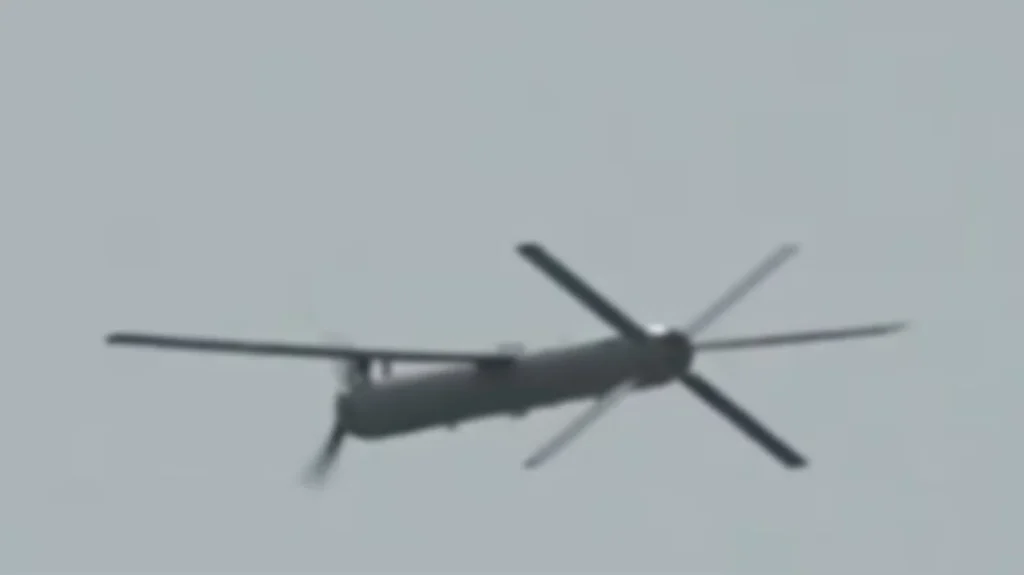
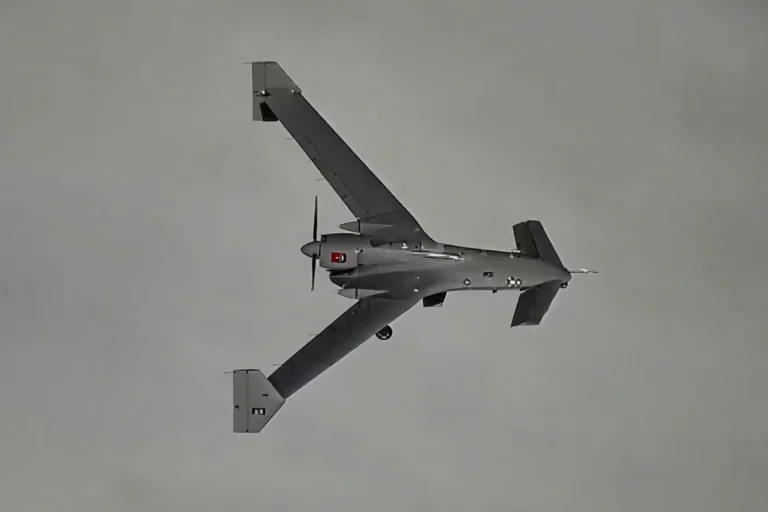
Recent observations indicate that the latest Shahed-101 variant incorporates substantial design changes compared to earlier models. While traditional Shahed drones rely on gasoline piston engines with rear-mounted pusher propellers, the upgraded version now features an electric motor at the nose, pulling the drone through the air.
Security analyst Mohammed al-Basha identified the updated drone based on its distinctive appearance and quieter flight signature, highlighting a shift toward reduced acoustic and thermal detectability. The electric propulsion system is expected to make the drone significantly harder to detect during loitering and strike missions.
The new tractor propeller configuration also alters the drone’s aerodynamics. Pulling rather than pushing through the air can improve efficiency, flight stability, and maneuverability. Combined with the fixed-wing airframe, this configuration allows the drone to cover long distances while maintaining precise control during flight.
The Shahed-101 retains a fixed-wing design but now features an X-shaped tail stabilizer, improving aerodynamic stability and enhancing its ability to maintain controlled flight in varying conditions. Analysts suggest this design may also make the drone more resilient against counter-drone measures by providing better handling and control during evasive maneuvers.
Another key feature is the integration of a rocket booster at the rear fuselage, assisting with initial acceleration during takeoff. Such boosters are common in loitering munitions and cruise drones, particularly when launched from ground-based rails or mobile launch platforms. After the booster burns out, the main electric propulsion system takes over for sustained flight.
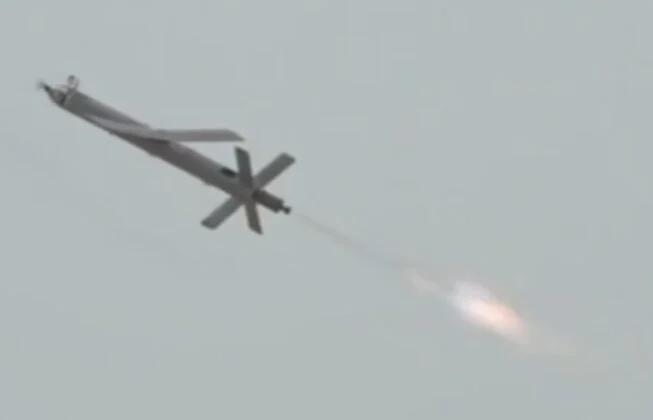
The upgraded Shahed-101 represents a step toward next-generation Iranian loitering munitions, blending quieter operation with advanced aerodynamics and improved launch capabilities. Its deployment demonstrates Iran’s ongoing focus on evolving drone technology to increase mission effectiveness, survivability, and operational reach.
Experts suggest that such drones could play a critical role in asymmetric warfare, where stealth, range, and precision are crucial. By moving to electric propulsion, the Shahed-101 could also reduce maintenance requirements and enhance operational readiness, making it a more versatile asset for Iranian forces or their proxies in regional conflicts.
With these upgrades, the Shahed-101 may become more challenging to detect and intercept, posing a potential threat to opposing forces equipped with conventional air defense systems. Analysts continue to monitor sightings of the drone for indications of performance improvements, deployment patterns, and potential integration with other Iranian or allied UAV systems.
About The Author