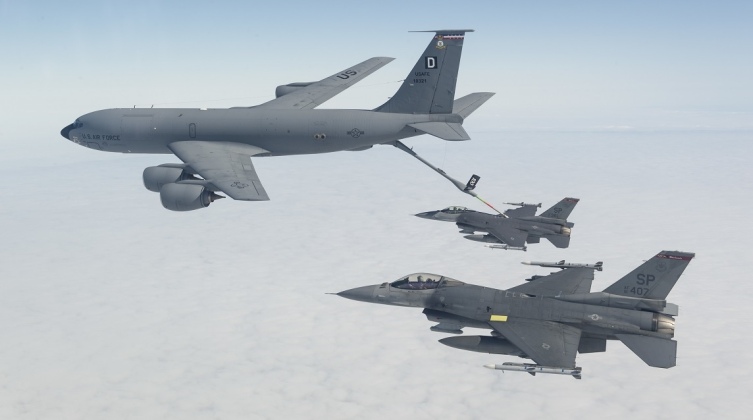
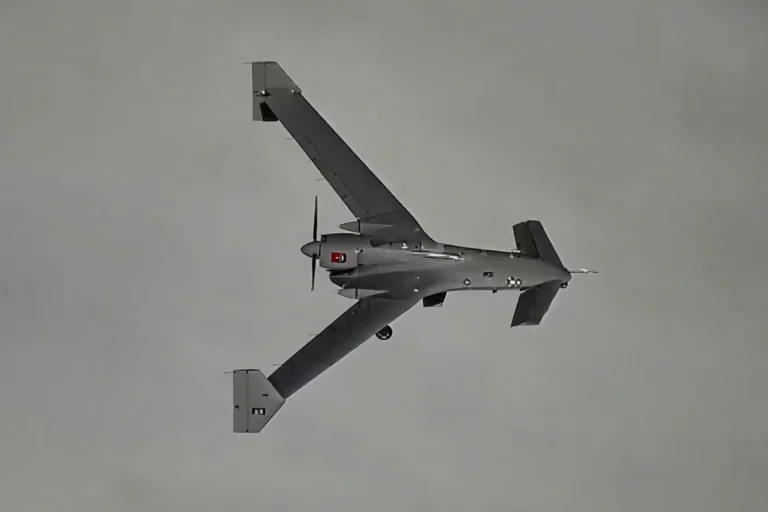
A United States Air Force KC-135 Stratotanker aerial refueling aircraft crashed in Iraq during Operation Epic Fury, according to a statement from U.S. Central Command (CENTCOM). The incident occurred inside what officials described as friendly airspace, and early reports suggest the crash was not caused by hostile or friendly fire, leaving the circumstances surrounding the accident unclear as rescue operations continue.

WASHINGTON — A U.S. Air Force KC-135 Stratotanker, one of the backbone aircraft used for aerial refueling operations, crashed in Iraq late Thursday while supporting American military operations linked to the ongoing conflict with Iran.
U.S. Central Command (CENTCOM) confirmed the accident in an official statement, noting that the crash occurred in friendly airspace and was not the result of enemy attack or friendly fire. However, officials have not yet revealed the exact cause of the incident.
At the time of reporting, the number of casualties remains unknown, and rescue teams are actively working at the crash site.
Another Aircraft Involved
CENTCOM also indicated that a second aircraft was involved in the sequence of events leading up to the crash, though details remain limited. The military confirmed that the other aircraft managed to land safely, but officials have not disclosed its type or whether the incident occurred during an aerial refueling operation.
Aerial refueling missions often involve complex coordination between aircraft, particularly when large tankers like the KC-135 provide fuel to fighter jets operating far from base.
Incident Comes After Recent Friendly Fire Shootdown
The crash comes shortly after another troubling incident involving U.S. aircraft in the region. Recently, three U.S. F-15 fighter jets were shot down over Kuwait in what officials described as a friendly fire incident. Fortunately, all pilots in that event successfully ejected and survived.
The KC-135 Stratotanker, however, does not have ejection seats, which makes emergencies potentially far more dangerous for its crew.
Because of this limitation, the outcome for those onboard remains uncertain until rescue teams complete their operations.
Role of the KC-135 in Middle East Operations
The KC-135 Stratotanker plays a critical role in U.S. global air operations, especially during long-distance missions. The aircraft allows fighters and bombers to stay in the air longer by refueling them mid-flight, dramatically extending their operational range.
During the current conflict with Iran, aerial refueling aircraft have been deployed heavily to the Middle East to support combat aircraft conducting strikes and patrol missions across the region.
With a wingspan of around 130 feet, the KC-135 is significantly larger and less maneuverable than fighter jets. Because of this, such aircraft typically operate away from high-threat combat zones to reduce the risk of being targeted.
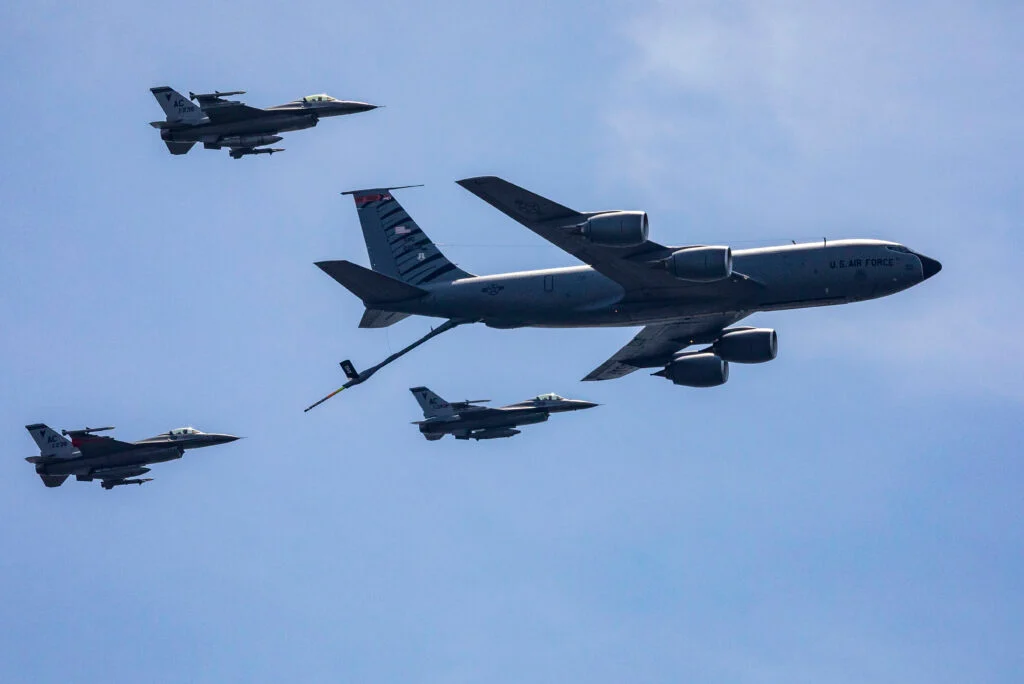
An Aging but Essential Aircraft
The KC-135 has served the U.S. Air Force for decades. The aircraft first entered service during the Eisenhower administration in the late 1950s, making it one of the longest-serving aircraft in the American military inventory.
Despite its age, the Stratotanker remains a central pillar of U.S. aerial refueling capability.
The U.S. Air Force is gradually replacing these aircraft with the newer Boeing KC-46 Pegasus, which offers improved technology and modern systems. However, due to the large number of refueling aircraft required for global operations, officials expect the KC-135 to remain in service until at least 2050, and possibly even longer.
Investigation Expected
Military investigators are expected to examine flight data, communications records, and the condition of the wreckage to determine what caused the crash.
As of now, CENTCOM has described the situation as a developing incident, and additional information will likely emerge once rescue teams complete their work and the investigation progresses.
For the moment, the crash highlights the risks faced by support aircraft operating in high-tempo military operations, even when flying outside direct combat zones.
About The Author