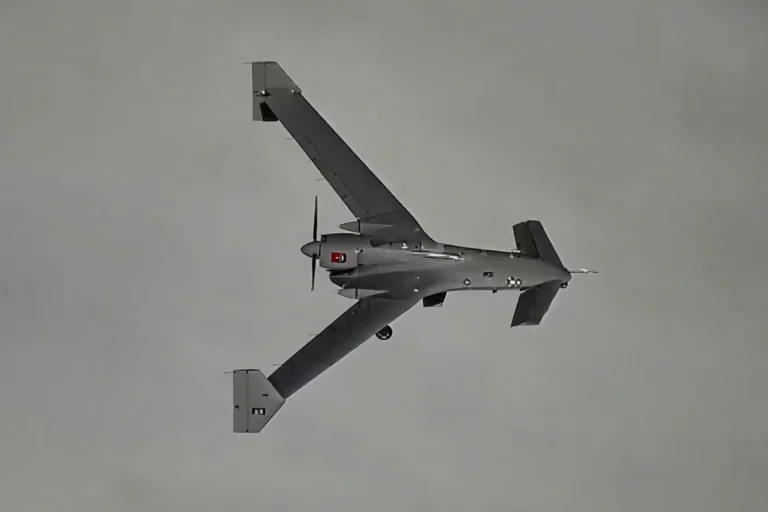
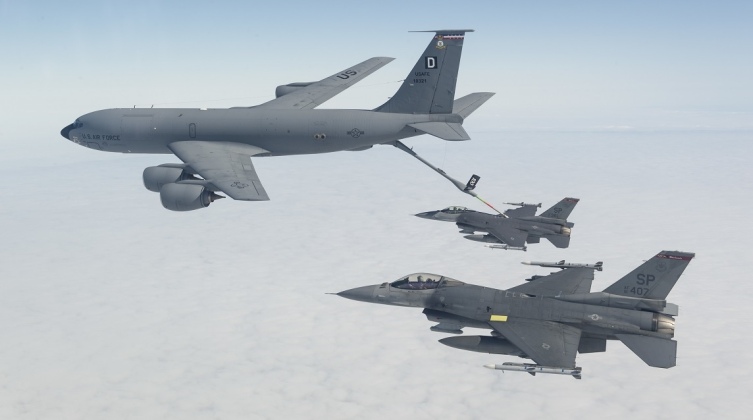
Tensions between Pakistan and Afghanistan have escalated sharply after overnight airstrikes reportedly carried out by Pakistani forces struck multiple locations in Kabul and several eastern provinces. Afghan officials say at least six people were killed and more than a dozen injured, while Pakistan maintains that the strikes were aimed at militant infrastructure linked to the Tehrik-i-Taliban Pakistan (TTP).
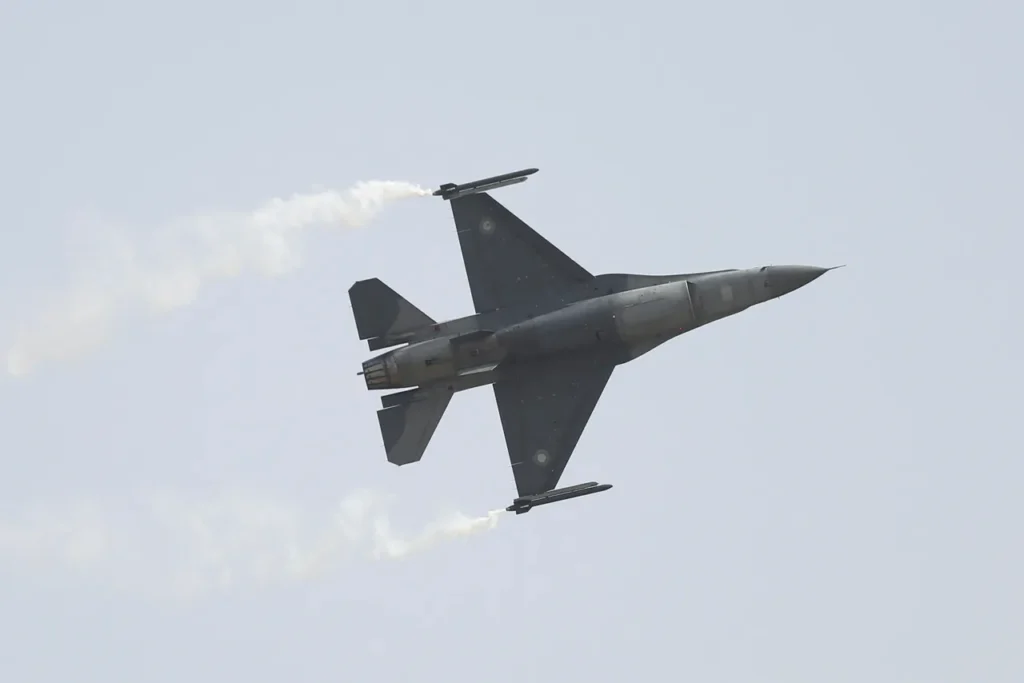
Pakistan Conducts Overnight Strikes in Afghanistan
A new wave of cross-border tensions has erupted after Afghan authorities reported that Pakistani airstrikes hit several locations across Afghanistan overnight, including the capital Kabul and provinces near the Pakistani border.
Officials in Kabul said the bombardment killed at least six people and wounded several others, raising concerns about the growing instability along the frontier between the two neighboring countries.
According to Afghan police spokesman Khalil Zadran, four people were killed and fifteen others injured when explosions struck residential areas in Kabul. Witnesses described scenes of panic as blasts shook neighborhoods and emergency responders rushed victims to nearby hospitals.
Pakistan Says Targets Were Terrorist Camps
Pakistani security officials acknowledged that military strikes had taken place but insisted the operations were directed at militant hideouts rather than civilian targets.
A Pakistani security source said that several facilities linked to the Tehrik-i-Taliban Pakistan (TTP) were successfully targeted. The official claimed that four suspected terrorist camps and logistical support structures were destroyed during the operation.
In addition to these sites, an oil storage facility located at Kandahar Airport was reportedly struck during the mission, although details about the damage remain unclear.
Pakistan has long accused the TTP of using Afghan territory as a base for launching attacks inside Pakistan. Islamabad argues that such cross-border operations are necessary to neutralize threats posed by militant groups operating near the frontier.
Taliban Government Condemns the Strikes
Afghanistan’s Taliban-led government strongly criticized the strikes, describing them as violations of Afghan sovereignty.
Taliban spokesperson Zabihullah Mujahid said the attacks were not limited to Kabul but also targeted areas in Kandahar province in the south and the eastern provinces of Paktia and Paktika, which share a border with Pakistan.
These regions have historically been sensitive areas due to militant activity and the porous nature of the mountainous border.
The Taliban administration has repeatedly denied Pakistan’s claims that TTP fighters operate freely within Afghanistan and insists that Afghan territory is not being used to plan attacks against neighboring countries.
Growing Military Tensions Along the Border
The latest strikes come amid an increasing number of clashes between Afghan and Pakistani forces along the border in recent weeks.
Security incidents have disrupted trade routes and forced many residents living near the frontier to abandon their homes in search of safety.
Border crossings, which serve as vital economic lifelines for both countries, have also experienced intermittent closures due to rising tensions.
Local communities in these areas have reported artillery exchanges and sporadic gunfire, further heightening fears of a broader conflict.
Thousands Displaced by Fighting
Humanitarian agencies warn that the escalating conflict is already affecting civilians living near the border.
According to the United Nations refugee agency, approximately 115,000 people have been displaced as a result of the fighting and security operations in the region.
Many families have been forced to leave their homes with limited access to food, shelter, or medical assistance.
Aid organizations say the situation could worsen if cross-border military operations and armed clashes continue.
Uncertain Path Ahead
The growing friction between Pakistan and Afghanistan reflects deeper security challenges in the region.
Pakistan has increasingly relied on cross-border counter-terrorism operations following a surge in militant attacks inside the country. At the same time, the Taliban government in Kabul has rejected accusations that it is harboring militants.
As both sides continue to trade accusations, analysts warn that further escalation could destabilize an already fragile border region and deepen the humanitarian crisis affecting thousands of civilians.
For now, the situation remains tense, with both governments facing pressure to prevent further violence while addressing the security concerns driving the conflict.
About The Author