A reported Iranian missile strike on a major U.S. military base in Saudi Arabia has damaged several American aerial refueling aircraft, potentially complicating ongoing air operations in the region. The attack targeted Prince Sultan Air Base, a key hub supporting U.S. airpower in the Middle East, raising concerns about the vulnerability of critical tanker aircraft that keep combat jets in the air.
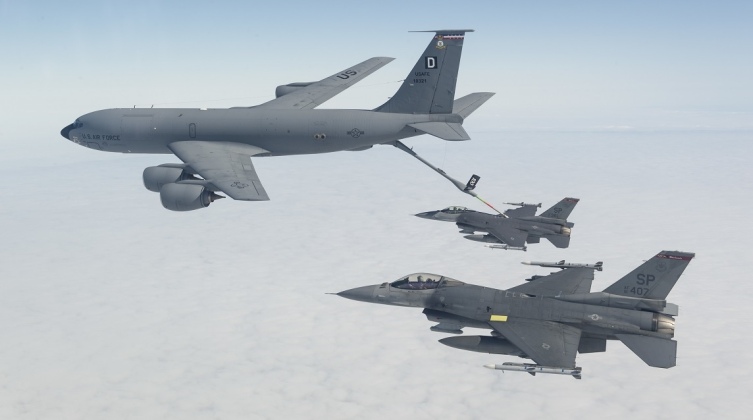
A missile strike attributed to Iranian forces has reportedly damaged multiple U.S. Air Force aerial refueling aircraft stationed at Prince Sultan Air Base in Saudi Arabia, delivering a significant blow to the logistical backbone that sustains American air operations in the Middle East.
According to reports from sources familiar with the situation, at least five KC-135 Stratotanker aircraft were damaged in the strike. The attack, which occurred on March 13, is being described by analysts as one of the most serious confirmed assaults on U.S. aviation infrastructure during the current tensions involving Iran and its regional adversaries.
The KC-135 aircraft play a critical role in modern air warfare. Often referred to as “flying gas stations,” these tankers allow fighter jets, bombers, and surveillance aircraft to stay airborne for extended periods by refueling them mid-air. Without these aircraft, sustained long-range combat operations become significantly more difficult.
Reports also indicate that the attack came shortly after a paramilitary group known as the Islamic Resistance in Iraq claimed responsibility for attacks on American aircraft flying over Iraqi airspace. In one of those incidents, a KC-135 was reportedly lost, resulting in the deaths of six U.S. Air Force personnel. The full circumstances surrounding that loss remain unclear.
Prior to the escalation of hostilities in late February, the United States had moved a substantial number of support aircraft into the region. Satellite imagery taken earlier showed a large buildup of aerial refueling and surveillance assets at Prince Sultan Air Base. At least 16 KC-135 tankers and six E-3 airborne early warning aircraft were visible at the facility, highlighting the base’s importance as a central hub for coalition air operations.
Additional tanker aircraft were deployed to other regional bases as well, including Qatar’s Al Udeid Air Base, where more KC-135 aircraft were observed supporting ongoing missions.
The apparent damage to tanker aircraft could complicate air operations if confirmed. Combat aircraft operating in the region often rely heavily on mid-air refueling due to the long distances involved in missions. Many tactical aircraft do not have the range to conduct extended strike missions without tanker support.
With some bases in the Gulf reportedly facing increased risk from missile strikes, American aircraft may also be forced to operate from locations farther away from potential conflict zones. This would further increase reliance on tanker aircraft, making their availability even more critical.
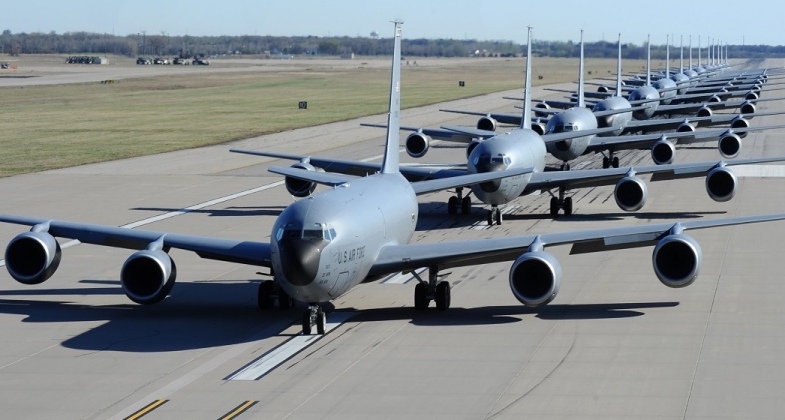
Another factor contributing to the importance of the KC-135 fleet is the ongoing challenges facing its intended replacement. The newer KC-46 Pegasus tanker program has faced a series of technical problems since its introduction. Issues with its remote vision system, which operators use during refueling operations, as well as concerns involving the refueling boom and occasional fuel leaks, have limited the aircraft’s operational reliability.
Because of these persistent technical challenges, the U.S. Air Force continues to rely heavily on the older KC-135 fleet. Although it remains the largest aerial refueling fleet in the world, the aircraft’s origins date back to the Cold War era. Decades of service have increased maintenance requirements and reduced overall availability rates.
Military analysts have long warned that tanker aircraft represent some of the most valuable yet vulnerable assets in modern air warfare. Destroying or disabling even a small number of these aircraft can dramatically affect an air force’s ability to conduct long-range operations.
In recent years, several countries have developed weapons specifically designed to target high-value airborne assets such as tankers and airborne early warning aircraft. These include very long-range air-to-air missiles capable of striking targets hundreds of kilometers away, as well as advanced surface-to-air missile systems designed to threaten aircraft operating far from the battlefield.
Such developments have fueled debate within the United States about the future of aerial refueling capabilities. Some defense analysts argue that future tanker aircraft may need stealth characteristics or other survivability improvements in order to operate safely in contested environments.
However, developing a next-generation stealth tanker would require massive investment at a time when the U.S. Air Force budget is already under heavy pressure. Even the relatively conventional KC-46 program has encountered years of delays and cost overruns.
If confirmed, the strike on the KC-135 aircraft could therefore highlight a broader strategic issue: the vulnerability of the logistical systems that enable modern air warfare. While fighter jets and bombers often receive the most attention, the ability to sustain air operations ultimately depends on support aircraft like tankers, surveillance platforms, and transport planes.
For now, the extent of the damage and its operational impact remain unclear. But the reported attack underscores how quickly support infrastructure can become a critical target in modern conflicts—and how disruptions to those systems can ripple across an entire military campaign.
About The Author