As tensions in the Middle East disrupt global energy supplies and tanker traffic through the Strait of Hormuz grinds to a halt, Pakistan has taken urgent steps to secure its maritime lifeline. The Pakistan Navy has launched a new escort mission to protect merchant ships carrying essential goods and fuel along the country’s most critical sea routes.
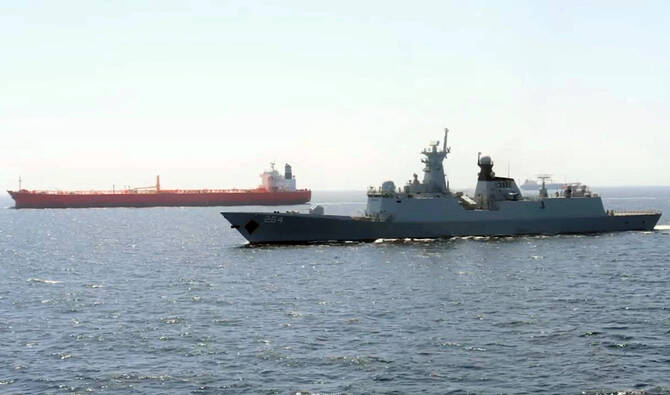
Pakistan Navy Begins Escort Operations
With the global energy market shaken by escalating conflict involving Iran and its regional rivals, Pakistan has initiated Operation Muhafiz-ul-Bahr to safeguard merchant vessels traveling along its maritime trade routes.
According to a security official familiar with the operation, Pakistan Navy warships are currently escorting commercial vessels operating along key Sea Lines of Communication (SLOCs) linking Karachi with the Gulf region and the Red Sea.
The official clarified that these naval escorts are not taking place inside the Strait of Hormuz, despite widespread speculation that Pakistan might be directly involved in operations in the volatile passageway.
Instead, the focus remains strictly on Pakistan’s own maritime corridors, ensuring ships transporting fuel and other vital goods can safely reach the country.
Why the Strait of Hormuz Matters
The Strait of Hormuz is considered one of the most important chokepoints in global energy trade. Roughly 20 percent of the world’s oil supply normally passes through the narrow waterway connecting the Persian Gulf with the Arabian Sea.
However, the intensifying confrontation involving Iran has effectively disrupted tanker traffic in the region. Reports indicate that several ships have been targeted, while Tehran has warned vessels against attempting to cross the strait during the ongoing crisis.
This disruption has triggered shockwaves across global oil markets, pushing energy prices sharply upward.
Pakistan’s Energy Security at Risk
Pakistan relies heavily on imported fuel from Gulf countries, making the current crisis particularly damaging for the country’s economy.
Nearly 90 percent of Pakistan’s trade moves through sea routes, meaning any disruption to maritime traffic directly threatens both energy security and economic stability.
In response to rising international oil prices, the government recently announced a Rs55 per liter increase in petrol and diesel prices, highlighting the seriousness of the situation.
Officials say the naval escort mission is designed to prevent further disruption by ensuring that Pakistani merchant vessels can safely travel along critical shipping routes.
Coordination With National Shipping Fleet
Operation Muhafiz-ul-Bahr is being carried out in close cooperation with the Pakistan National Shipping Corporation (PNSC), the country’s state-owned shipping company responsible for transporting a significant portion of Pakistan’s imported fuel.
Military officials previously stated that the operation aims to guarantee the “uninterrupted flow of national energy supplies and secure sea lines of communication.”
By deploying naval escorts along vital maritime corridors, Pakistan hopes to reduce the risk posed by the broader regional conflict.
A Precautionary but Strategic Move
Security analysts say the operation reflects a preventive strategy rather than direct military involvement in the Gulf conflict.
By protecting shipping routes between Karachi, the Gulf region, and the Red Sea, Pakistan is ensuring that essential trade continues even as tensions remain high across the Middle East.
For a country whose economy depends heavily on maritime trade, maintaining safe sea lanes is considered a national priority.
As geopolitical tensions continue to reshape global energy flows, Pakistan’s naval escort mission highlights how even countries outside the conflict zone must act quickly to safeguard their economic lifelines.
About The Author