Hey folks, if you’ve been keeping an eye on the wild world of military tech and geopolitics, you’ve probably caught wind of the latest buzz in the aerospace scene. We’re talking about Saudi Arabia’s push to snag up to 48 of those sleek F-35 Lightning II jets—the crown jewel of America’s stealth fighter lineup. It’s a deal that’s got the Pentagon sweating bullets, not just because it’s a massive $142 billion arms bonanza, but because there’s this nagging fear that China could weasel its way in and siphon off some seriously guarded U.S. stealth fighter secrets. Yeah, you read that right: the very tech that’s kept the U.S. skies dominant for years might end up getting a peek from Beijing, all thanks to Riyadh’s deepening ties with the East. Let’s unpack this step by step, because it’s not just a headline—it’s a high-stakes chess move in the global arms race.
First off, picture this: Saudi Arabia, flush with oil money and eyeing a beefed-up air force to stare down threats from Iran and beyond, is knocking on Uncle Sam’s door for these bad boys. The F-35A variant, to be precise—the one that takes off from regular runways like your everyday fighter, but packs the punch of a sci-fi dream machine. We’re looking at a request that’s already sailed through a key Pentagon review and is now waltzing toward Congress for the green light as a Foreign Military Sales package. If it goes through, the Kingdom would become the first Arab nation to fly these fifth-gen stealth wonders, slotting them right alongside their fleet of F-15SA strike eagles and those nimble Eurofighter Typhoons. It’s not just about numbers; this would lock Saudi airpower into U.S. tech for generations, anchoring a broader defense overhaul that’s got everyone from Riyadh to D.C. buzzing.
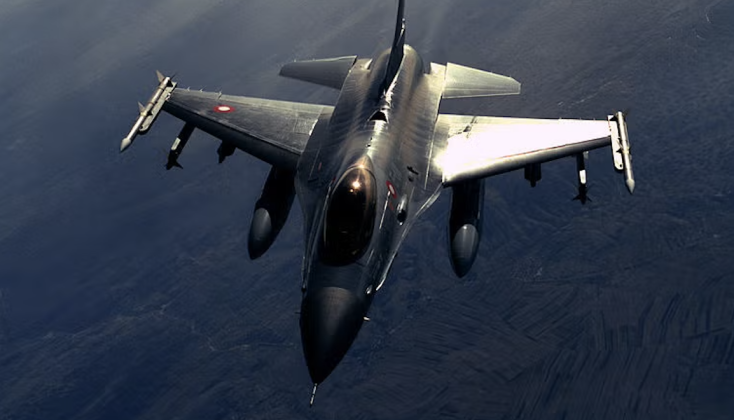
But why the F-35, you ask? Well, let’s geek out on the specs for a sec, because this jet isn’t your grandpa’s propeller plane. Designed for the U.S. Air Force and a bunch of allies, the F-35A is all about vanishing into the ether—literally. Its radar-evading shape, whipped up with fancy composites, makes it a ghost on enemy scopes. Then there’s the AN/APG-81 radar, this active electronically scanned array beast that paints the battlefield in high-def. Add in a distributed aperture system of infrared sensors giving pilots a full 360-degree wraparound view, plus an electro-optical targeting pod tucked into the fuselage for laser-guided precision. The real magic? That onboard computer that mashes all this data into one seamless tactical feed, turning the pilot into less of a button-masher and more of a strategic wizard. The jet doubles as a shooter and a sky-high sensor node, with internal bays hiding air-to-air missiles and smart bombs to keep that low-observable profile intact. Slap on external pylons, and you’re hauling over eight tons of extra gear when stealth isn’t priority one.
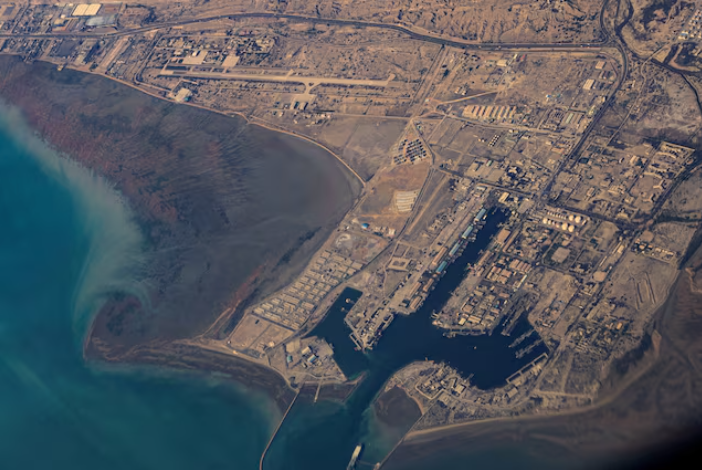
Powered by Pratt & Whitney’s F135 engine—churning out north of 40,000 pounds of thrust—this thing has the legs for long hauls over the Gulf or even the northern Arabian Sea, all while keeping its heat signature and radar cross-section whisper-quiet. For the Saudis, it’s a game-changer. Imagine first-night-of-the-war ops where these jets slip past modern Russian or Chinese surface-to-air missiles like they’re invisible. They’d spot low-flying cruise missiles, swarms of drones, and share real-time intel via encrypted datalinks, turning the entire Royal Saudi Air Force into a networked powerhouse. Against Iran? Forget it—these birds could ghost into hostile airspace, hammering ballistic missile sites, nuke-adjacent facilities, command bunkers, and even IRGC speedboats without tripping old-school radars. And with mission data files customized to Iran’s playbook, each F-35 becomes a smart cookie, instantly ID’ing and prioritizing threats from Tehran. It’s the kind of edge that could blunt drone barrages from Yemen or rocket salvos from Iraq, making Saudi skies a no-fly zone for bad actors.
Now, here’s where the plot thickens and the Pentagon’s paranoia kicks in. This isn’t some tinfoil-hat conspiracy; it’s straight from a classified Defense Intelligence Agency report that’s got folks in the Beltway losing sleep. The big worry? Not that Saudi Arabia’s gonna hand over the blueprints at a state dinner, but that China—Riyadh’s increasingly cozy bedfellow—could play the long game and extract F-35 gold through back channels. Think embedded Chinese tech whizzes in joint projects, leaky digital networks, or even just casual shoulder-surfing on sensitive systems. The stakes? Stealth coatings that make the jet invisible, electronic warfare guts that jam foes, mission-data libraries packed with threat profiles, and that Multifunction Advanced Datalink keeping everything synced. If Beijing gets a whiff, it could turbocharge their J-20 and J-35 stealth rivals, or fine-tune those PL-15 and PL-17 missiles to give U.S. and allied pilots nightmares over the Pacific.
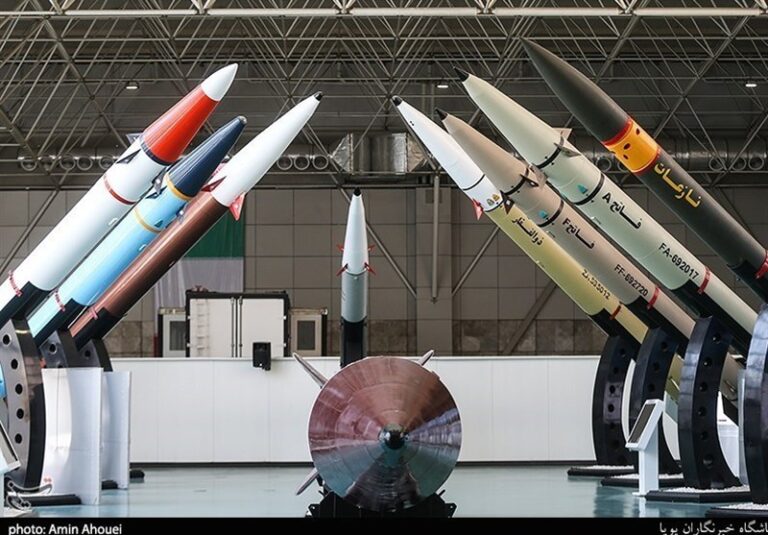
How’d we get here? Saudi-Chinese bromance goes way back—remember the DF-3 ballistic missiles Riyadh scooped up in the ’80s? Fast-forward, and you’ve got Chinese fingerprints all over Saudi missile factories near al-Dawadmi, complete with satellite-snapped test pits and build sites. They’re flying Wing Loong and CH-4 armed drones off Saudi pads, running joint naval and spec-ops drills that let PLA folks mingle on bases. Economically? China’s guzzling Saudi crude like it’s going out of style, and that 2022 Xi Jinping visit sealed 34 pacts worth $30 billion—from cloud tech to data centers via Huawei. Heck, the U.S. even dinged an Emirati AI outfit for cozying up to Huawei on missile tweaks. It’s a precedent that stings: back in 2021, the UAE hit pause on its own F-35 dreams over Huawei 5G gear that could passively hoover up tech intel near airfields.
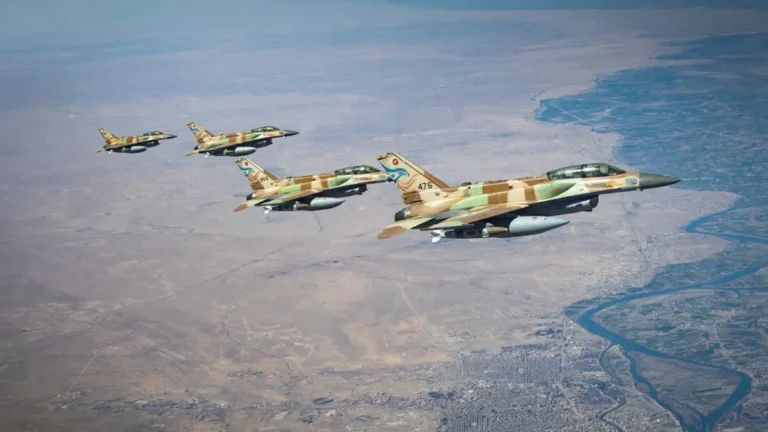
So, what’s the U.S. doing to slam the door? For starters, there’s that ironclad law mandating Israel’s “qualitative military edge”—no Middle East F-35 sale without keeping Tel Aviv ahead. Israel’s the only regional F-35 club member with their tricked-out F-35I Adirs, loaded with homegrown avionics and weapons. A Saudi nod means haggling over downgraded versions for Riyadh or extra perks for Israel, per Congressional Research Service deep dives. Any deal comes with strings longer than a Riyadh souk: zero Chinese gear in telecoms, data hubs, or base zones; physical firewalls for tech; nonstop U.S. snoops on usage; and tight reins on where these jets park and get serviced. Export licenses, end-use pacts, and sanction slaps are the stick—look at how UAE talks cratered over data drama. Saudi’s Vision 2030, pushing for half their defense bucks spent locally via factories and ventures, throws a wrench in, especially if Chinese engineers tag along for co-builds on missiles or UAVs. Plan B? More F-15EXs, fancy bombs, and missile shields with way less leak risk.
Experts who’ve wrangled the UAE saga say expect the U.S. to go full drill-sergeant on safeguards. Congress? They’re already side-eyeing this, Yemen ops and the Khashoggi mess fresh in mind—they’ll wield the China intel like a club to probe or kill it. Israelis? Not thrilled about a beefier Saudi stable, especially with Riyadh’s Beijing flirtations. And don’t get me started on Lockheed Martin’s production logjam—lines are jammed with U.S., Euro, and Asia-Pacific orders, so squeezing in Gulf birds means delays or caps. At its core, this Saudi F-35 saga thrusts a mega Gulf arms play smack into the U.S.-China slugfest, where every jet, chip, and datalink is a potential Trojan horse.
Wrapping my head around this, it’s a reminder of how tangled our world is—alliances shifting like desert sands, tech that’s equal parts sword and shield. Will the deal fly, or crash on security reefs? Only time, and maybe a few more classified briefs, will tell. What do you think—smart move for Saudi stability, or a stealthy gift to adversaries? Drop your takes below; I’d love to hear ’em.
About The Author