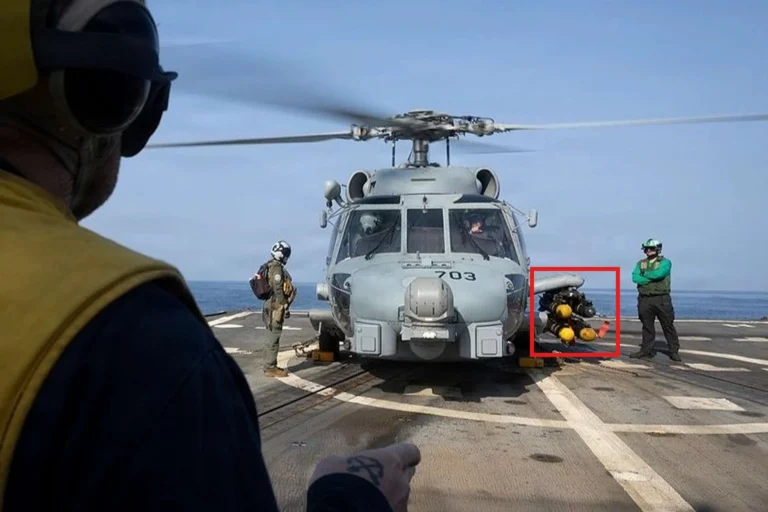
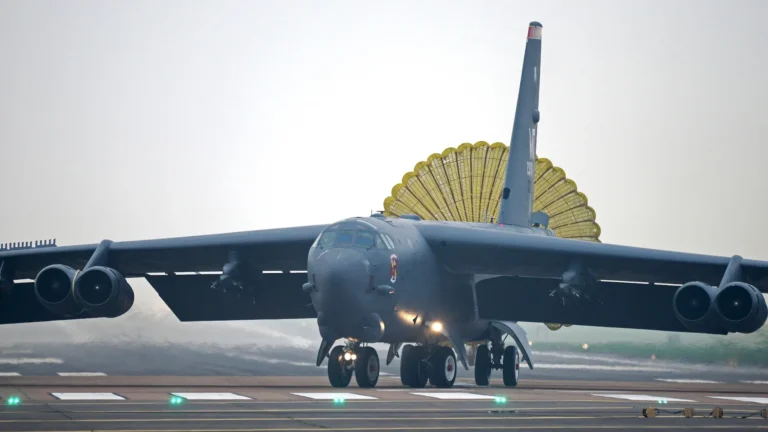
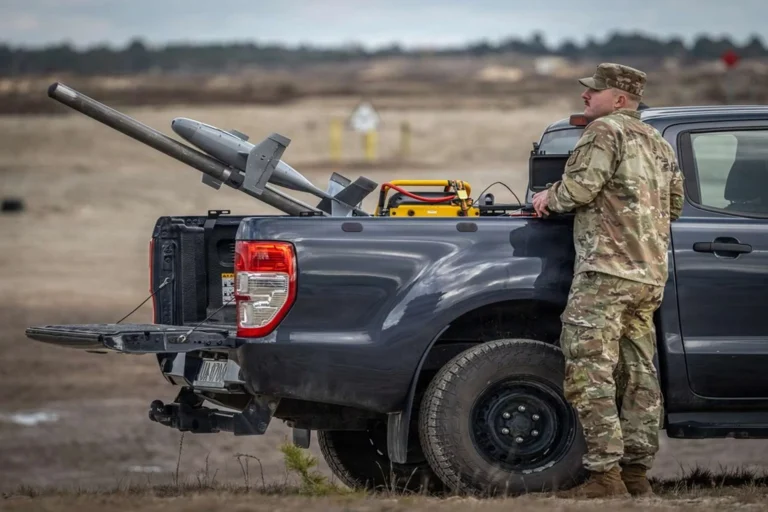
The hum of activity returning to a long-dormant military base in Puerto Rico is more than just a local development; it’s a strategic ripple in the complex waters of Caribbean geopolitics. While the official rhetoric might be muted, the revival of this U.S. military outpost signals a hardening of strike posture, particularly in a region increasingly influenced by the volatile situation in Venezuela. This isn’t just about dust being shaken off old barracks; it’s about projecting power, securing interests, and recalibrating influence in a critical part of the world.
For decades, the idea of a robust U.S. military presence in Puerto Rico, beyond existing facilities, might have seemed like a relic of a bygone era. However, the shifting global landscape, with its renewed emphasis on great power competition and regional stability, has brought such considerations back to the forefront. The Caribbean, often seen as a tourist paradise, is also a vital maritime crossroads, a transit point for illicit activities, and a region susceptible to various forms of instability. Venezuela, with its internal struggles, humanitarian crisis, and fluctuating allegiances, casts a long shadow over these waters. The re-activation of a base in Puerto Rico offers the U.S. a forward operating location that significantly enhances its ability to respond to contingencies, monitor activities, and conduct various operations throughout the Caribbean basin.
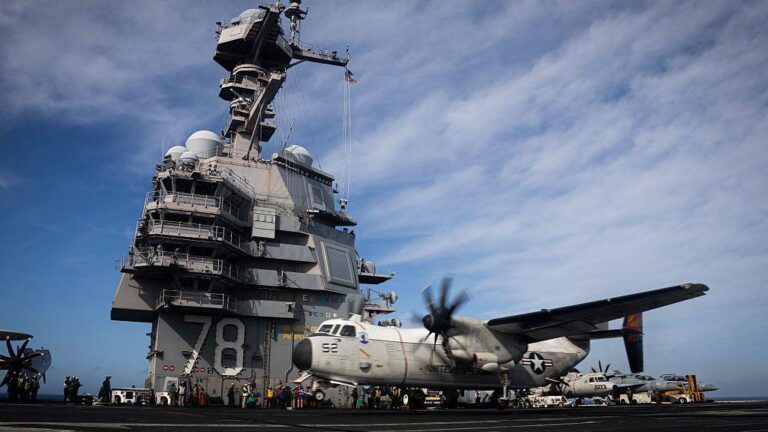
The implications of this move are multifaceted. From a logistical standpoint, a fully operational base in Puerto Rico provides a critical hub for air and naval assets. It reduces response times, extends operational reach, and allows for greater flexibility in deploying resources. This is not merely about deterrence; it’s about the practicalities of power projection. Imagine the logistical benefits for disaster relief efforts, counter-narcotics operations, or even the potential for humanitarian aid missions in a region prone to natural disasters. These are the narratives that often accompany such developments, painting a picture of benign intent and regional partnership.
However, beneath the surface of such explanations lies a deeper strategic calculus. The focus on a “strike posture” suggests capabilities beyond purely defensive or humanitarian missions. This could encompass intelligence gathering, surveillance, reconnaissance (ISR) operations, and potentially, the ability to rapidly deploy forces for intervention if deemed necessary. The proximity to Venezuela is a key factor here. While direct military confrontation might be a distant prospect, the ability to monitor, deter, and potentially counter adversarial influences or actions in Venezuela’s periphery becomes significantly enhanced. This could involve tracking maritime movements, monitoring airspace, or providing support for regional allies.
The “quiet” nature of this revival is also telling. It suggests a deliberate, perhaps cautious, approach to avoid unnecessary diplomatic friction or to signal an overly aggressive stance. Yet, the actions speak louder than words. The investment in infrastructure, the deployment of personnel, and the increased operational tempo will not go unnoticed by regional actors, including those in Caracas. For Venezuela, this development will likely be viewed through a lens of suspicion and concern, potentially exacerbating existing tensions. It reinforces the perception of a persistent U.S. interest in its neighborhood and a willingness to assert its influence.
Moreover, the revival of this base also has domestic implications for Puerto Rico. While it could bring economic opportunities in terms of jobs and local spending, it also raises questions about the island’s role in U.S. foreign policy and its own security concerns. The historical context of U.S. military presence in Puerto Rico is complex, and any expansion will undoubtedly reignite discussions about sovereignty, environmental impact, and the balance between national security interests and local autonomy.
Ultimately, the quiet re-establishment of a robust military footprint in Puerto Rico is a clear signal of the U.S.’s renewed commitment to asserting its influence in the Caribbean. It’s a strategic chess move, carefully calculated to enhance regional stability while simultaneously projecting power and addressing potential challenges emanating from the evolving geopolitical landscape, particularly with an eye towards Venezuela. This isn’t just a military base; it’s a statement about evolving priorities and the enduring importance of strategic positioning in a dynamic world.
About The Author