Whoa, if the Caribbean’s been feeling a bit too much like a powder keg lately, buckle up because Venezuela just lit the fuse—or at least that’s what Caracas wants the world to think. On November 13, 2025, state-run Telesur dropped footage of what they’re calling one of the biggest military mobilizations in decades: a whopping 200,000 troops fanning out across the country, backed by freshly upgraded Russian air defense gear that’s straight out of a Cold War playbook. We’re talking ZU-23-2 anti-aircraft guns getting a 21st-century glow-up and TOR-M2E missile systems primed to swat drones like flies. Officially, it’s a “nationwide defensive exercise” to flex sovereignty muscles, but let’s cut the BS—everyone from the Pentagon to the bodegas in Maracaibo knows this is a direct middle finger to Uncle Sam’s growing naval shadow in the Caribbean. With U.S. destroyers prowling the waves and P-8 spy planes overhead, Maduro’s regime isn’t just posturing; it’s screaming, “Come at me, bro.” As tensions boil hotter than a pot of pabellón criollo, this move could rewrite the rules of the backyard brawl between Washington and Caracas. Dive in with me as we unpack the troops, the tech, the trash-talk, and what it all means for a region that’s one wrong radar ping from going full Tom Clancy.
Flash back a bit to set the scene, because this isn’t some random flex—it’s the latest chapter in a saga that’s been simmering since the early 2010s. Venezuela’s military, the Bolivarian Armed Forces (FANB), has always been Maduro’s go-to for staying in power, blending revolutionary rhetoric with a hefty dose of Russian hardware. Over the last five years alone, Moscow’s shipped in Buk-M2E surface-to-air missile batteries, Pantsir-S1 systems, and enough Su-30 fighters to make any MiG pilot jealous. Why? Because when your economy’s tanking harder than a ’90s hyperinflation meme and sanctions are biting like chiggers, you cozy up to whoever’s got the spare parts and no-strings loans. Enter Putin, who’s been treating Venezuela like his own little anti-Yanqui outpost in the Americas. These drills? They’re not just boots on the ground; they’re a billboard ad for that bromance, timed perfectly as U.S. Southern Command ramps up “Operation Sentinel Tide”—a multinational op with Colombia, the Dominican Republic, and even the Dutch Antilles, all aimed at choking off drug routes but smelling a lot like encirclement to Caracas.
Now, let’s talk numbers because 200,000 troops isn’t chump change—it’s about a third of the entire FANB, yanked from garrisons and shipped to key hotspots like the Orinoco Delta, the Colombian border, and coastal defenses around La Guaira. Grainy Telesur clips show convoys of battered but bustling 6×6 trucks rumbling through Caracas streets at dawn, soldiers in olive drab waving red berets like it’s Carnival. This isn’t your garden-variety snap drill; it’s integrated combat prep, with infantry practicing urban clearances, armor units (those creaky T-72s from the ’80s) thundering in mock assaults, and special forces—think the shadowy Directorate of Strategic Intelligence—running “asymmetric warfare” sims against hypothetical invaders. A grizzled colonel, face like weathered teak, barked on camera: “The motherland is on permanent alert. No imperialist boot will touch our sacred soil.” Chills, right? But peel back the propaganda, and it’s clear this is as much about rallying the home front as deterring outsiders. With bread lines stretching blocks and blackouts flickering like bad disco lights, nothing unites a fractious populace like the specter of gringo bombers.
The real stars of the show, though, are the air defenses—because in an era of cheap drones and pricey stealth jets, owning the skies is non-negotiable. Leading the pack is the ZU-23-2, that Soviet-era twin 23mm cannon that’s been around since the Beatles were touring. Venezuela’s version? It’s been juiced up like a garage hot rod: optical and radar fire-control systems for night ops, electric servo drives for quicker turret slews, and digital targeting hooks that let it play nice with networked command posts. Mounted on rugged 4×4 or 6×6 trucks, these bad boys can chase low-flying threats—think Apache helos or Reaper UAVs—through jungles or over beaches at 55 rounds per minute. Pair that with the TOR-M2E short-range SAM, and you’ve got a nasty one-two punch. This Russian export kingpin boasts a phased-array radar that sniffs out 48 bogeys at once, slamming four with missiles that reach 15 km out and 10 km up. It’s battle-tested in Syria’s meat grinder and Ukraine’s drone swarms, making it a nightmare for cruise missiles or anything dipping below 5,000 feet. Footage showed TOR launchers camouflaged in the hills near Puerto Cabello, crews drilling reloads under simulated ECM jamming. Upgrades? Who knows—could be straight from Rosoboronexport, or maybe a shady collab with Iranian tech wizards or Belarusian tinkerers. Either way, it’s Venezuela’s bid for an anti-access/area-denial (A2/AD) bubble, turning the Caribbean littoral into a no-fly zone for anyone not waving a red flag.
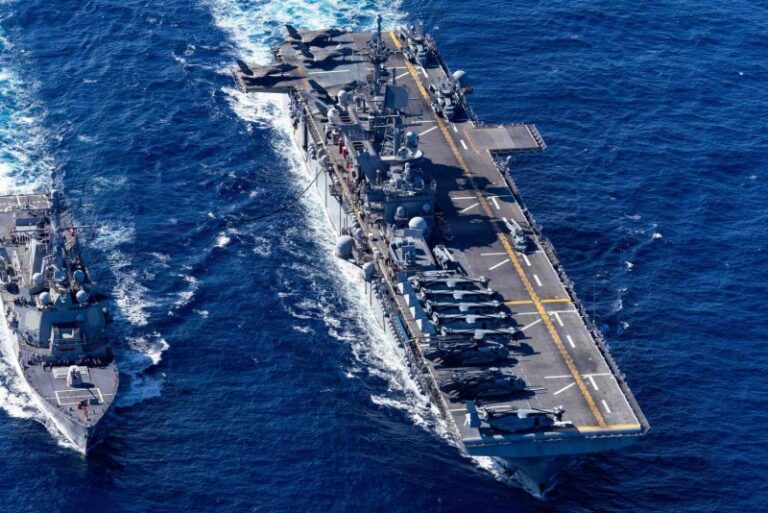
But here’s where it gets spicy: the timing. This all kicks off right as the U.S. Navy’s Arleigh Burke destroyers—those Aegis missile slingers with more VLS cells than a beehive—start circling like sharks off Trinidad. Early November saw P-8A Poseidons, Boeing’s submarine-hunting unicorns, dipping sonar buoys in waters that Caracas claims as its own. Washington’s line? It’s all about “counter-narcotics,” zapping cartel go-fasts and shadowing Iranian ghost tankers hauling heavy crude to fund the regime. Operation Sentinel Tide’s got teeth: joint boarding teams with Colombian marines, Dutch patrol boats sniffing for fentanyl subs, and even a nod from Guyana after those Essequibo oil spats. Venezuela? They’re howling “provocation!” Foreign Minister Yván Gil fired off a missive to the UN on November 12, accusing the U.S. of “preparatory strikes” and vowing “asymmetric responses” that could include cyber pokes or proxy militias in Colombia’s backwoods. Russia’s chiming in too—Peskov’s office called it a “legitimate exercise,” while Sputnik ran op-eds gloating about how TORs humbled F-35s in sims. Over in Bogotá, President Petro’s walking a tightrope: “We support peace, but vigilance is key,” he tweeted, eyeing those Venezuelan tanks parked a stone’s throw from the border.
Zoom out, and the geopolitical chessboard looks downright claustrophobic. For the U.S., this mobilization’s a wake-up call—those TORs and ZU-23s could gum up low-altitude ops, forcing P-8s higher or carriers farther out, complicating everything from intel runs to humanitarian air drops if things pop off. SOUTHCOM’s probably dusting off contingency binders labeled “Caribbean Quagmire 2.0,” weighing if Maduro’s bluffing or if it’s time to lean on allies like Brazil for backchannel de-escalation. Regionally, it’s got neighbors twitchy: Guyana’s bolstering its coast guard, Barbados is hosting more RIMPAC-style drills, and even Cuba—Maduro’s ideological BFF—is mumbling about “solidarity” while quietly upgrading its own S-300s. Globally? It’s Putin’s power play in the backyard, stretching U.S. resources thin while eyes are on Taiwan and Ukraine. And don’t forget the home front: these exercises double as Maduro’s loyalty test, weeding out disgruntled officers and burnishing his strongman cred ahead of whatever passes for elections in ’26.
Sustainability, though? That’s the elephant in the humid room. Venezuela’s got the gear, but does it have the gas? Sanctions have gutted spare parts pipelines, training’s spotty (those 200K troops include a lot of fresh-faced conscripts), and maintenance budgets are a joke—rumors swirl that half the TOR missiles are duds from botched storage. It’s like arming for Armageddon with a Swiss Army knife: impressive on paper, but one EMP or supply snag, and it’s fireworks. Still, in the short term, this deters adventurism—nobody wants to be the pilot dodging 23mm tracers over the Orinoco. Long-term? It pushes Washington toward diplomacy, maybe easing oil sanctions for de-mob promises, or ramps up covert ops to stir the pot in the barracks.
As the sun sets over the Andes on November 15, Venezuelan sentries scan horizons that feel a little too close, while U.S. admirals plot vectors from Tampa. Is this the spark that ignites a proxy war, or just another round of bluster in the eternal U.S.-Latin America tango? One thing’s sure: the Caribbean’s no longer a sleepy sea of rum punches—it’s a strategic hot zone where one tweet from Mar-a-Lago could change everything. What’s your take—smart deterrence or desperate showmanship? Sound off below; I’ve got my popcorn ready.
About The Author