In the crisp skies above the Black Sea on November 14, 2025, a striking display of unity unfolded that sent ripples through the world of international defense. Belgian F-16 Fighting Falcons, sleek and battle-ready, soared alongside French Mirage 2000 jets in a meticulously coordinated patrol mission. This wasn’t just another routine flight—it was a powerful statement from NATO, underscoring the alliance’s unwavering commitment to safeguarding freedom of navigation and deterring any threats in one of the planet’s most volatile hotspots. As tensions simmer in Eastern Europe, particularly with the ongoing shadows of the Ukraine conflict, these multinational air operations remind us that alliances aren’t just words on paper; they’re forged in the roar of jet engines and the precision of joint maneuvers.
Picture this: A formation cutting through scattered clouds, the distant coastline of the Black Sea shimmering below like a fragile line between peace and peril. The Belgian pilots, strapped into their F-16s equipped with external fuel tanks and an array of under-wing munitions, flew in tight formation with four French Mirage 2000s, including those versatile twin-seat variants designed for everything from precision strikes to advanced training. This wasn’t a show for showbiz; it was part of Operation Black Sea Region, a NATO-led initiative that’s become a cornerstone of regional stability. By weaving their paths together over international waters and airspace, these forces highlighted how even smaller nations like Belgium can punch way above their weight when plugged into the NATO machine.
Let’s rewind a bit to set the scene. The Black Sea isn’t your average body of water—it’s a strategic chokepoint where Europe meets the Caucasus and the Middle East, a vital artery for global trade, energy shipments, and yes, military posturing. For years, this region has been a flashpoint, with disputes over territorial waters and airspace rights escalating amid geopolitical chess games. Russia’s aggressive moves in Ukraine have only amplified the stakes, turning what was once a semi-quiet maritime zone into a chessboard for great-power rivalry. Enter NATO, stepping up with operations like this one to affirm that no single nation gets to dictate the rules of the sea or sky. Belgium’s involvement here isn’t new; it’s their third go-round in these surveillance and reassurance flights, signaling a shift from occasional helper to reliable mainstay in Europe’s eastern defenses.
What makes this patrol so fascinating—and frankly, reassuring—is the sheer interoperability on display. These aren’t just planes flying nearby; they’re a symphony of shared tech and tactics. The Belgian F-16s, those multirole marvels born in the 1970s but upgraded to cutting-edge standards, bring agility and versatility to the table. With advanced avionics, radar systems that can spot threats from miles away, and the ability to switch seamlessly between air-to-air dogfights and ground strikes, they’re the Swiss Army knife of fighter jets. Pair that with the French Mirage 2000, a delta-wing icon from the same era but with its own flair: blistering speed, high-altitude prowess, and a knack for interception that makes it a nightmare for any intruder. The twin-seaters in this mix? They’re not just for show—they allow for real-time training mid-mission or coordinated strikes, ensuring the pilots stay sharp even in peacetime ops.
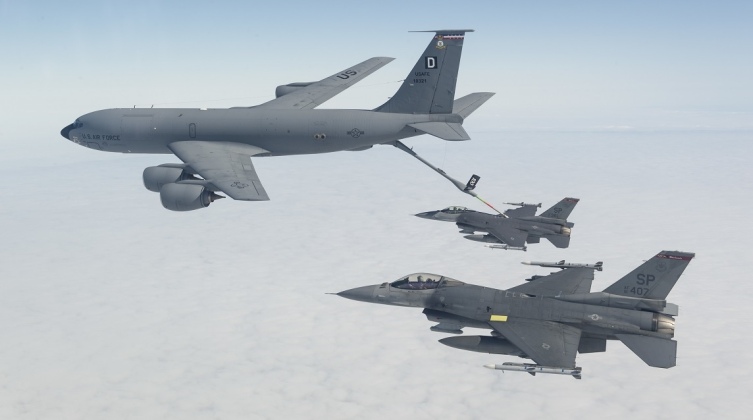
But here’s where it gets really clever: the behind-the-scenes enablers that turn a good flight into a game-changer. French Stratotankers, those lumbering behemoths of the sky, were on hand to top off the F-16s mid-air. Imagine the ballet of it— a fighter jet sidling up to a flying gas station at 30,000 feet, hose connecting with pinpoint accuracy while both crews chat via secure links. This air-to-air refueling isn’t glamorous, but it’s gold for endurance. It lets these jets loiter longer over the Black Sea, scanning for suspicious vessels or aircraft without the hassle of constant pit stops at regional bases. And in a zone where every landing could spark diplomatic fireworks, that flexibility is priceless. It’s a testament to the trust built between Belgian and French crews through years of joint exercises, where they’ve ironed out everything from radio frequencies to emergency protocols.
Diving deeper into the history, you can’t help but appreciate the evolution of this Franco-Belgian bromance in the skies. Belgium’s air force has been no stranger to the multinational grind—think Baltic Air Policing missions over Europe’s eastern flank or deployments to the Middle East. Their F-16s have logged hours alongside Rafales, Typhoons, and yes, Mirages, creating a shared playbook that’s as much cultural as it is technical. France, meanwhile, has a storied legacy with the Mirage line, from Cold War intercepts to modern ops in Libya and Mali. This Black Sea pairing builds on that, turning bilateral ties into a NATO multiplier. It’s the kind of cooperation that smaller allies like Belgium crave: access to big-partner resources without going it alone.
From a tactical angle, mixing F-16s and Mirages is like assembling a dream team with complementary superpowers. The F-16’s fly-by-wire controls and helmet-mounted displays make it a wizard at close-quarters maneuvering and electronic warfare, while the Mirage’s aerodynamic edge shines in high-speed dashes and long-range patrols. Together, they create overlapping radar bubbles, dynamic task-sharing, and a tougher nut to crack for any would-be aggressor. We’ve seen similar combos work wonders in other theaters, like NATO’s Mediterranean enforcements, where diverse fleets deterred smuggling and shadowed hostile moves without firing a shot. In the Black Sea, this setup isn’t just about presence—it’s about projecting unpredictability, forcing opponents to second-guess their next play.
Zooming out to the bigger picture, these flights carry weighty strategic vibes. Geopolitically, they’re a middle finger to anyone trying to carve up international commons. With global trade routes snaking through the Black Sea—think grain exports from Ukraine or gas pipelines from the Caspian—these patrols safeguard the economic lifelines that keep Europe humming. No interruptions allowed, period. Geostrategically, the region’s no longer a backwater; it’s the linchpin where Black Sea security bleeds into the wider Indo-Pacific tensions. NATO’s vigilance here bolsters deterrence across the board, reminding Moscow (or anyone else) that poking the bear—or in this case, the alliance—comes with consequences.
Militarily, it’s a dress rehearsal for the real deal. In an era of hybrid threats and peer competitors, interoperability is the holy grail. Belgium, with its modest fleet of around 40 F-16s, proves that size isn’t everything—integration is. As they eye successors like the F-35, these missions hone the skills that’ll transfer over. France, pushing ahead with its SCALP cruise missiles and next-gen fighters, uses this to keep its edge sharp. And for NATO writ large? It’s a reminder that collective defense thrives on these unglamorous routines: the planning sessions, the fuel logs, the post-flight debriefs that build unbreakable bonds.
As the sun dipped below the horizon on that November day, the jets peeled away, mission accomplished. But the message lingered like contrails in the sky: NATO’s got the Black Sea’s back, and it’s not blinking. For allies watching from Brussels to Bucharest, it’s a morale booster; for adversaries, a subtle warning. In a world where deterrence often whispers before it roars, operations like this keep the peace by proving it’s ready to defend it. If you’re tracking aerospace news or NATO’s role in Eastern Europe, keep an eye on the Black Sea—it’s where tomorrow’s headlines might just take flight.
About The Author