In the vast, often unforgiving expanse of the South Atlantic, where Argentina’s maritime claims stretch like a lifeline to its economic future, a major defense shift is brewing. On November 6, 2025, President Javier Milei dropped a bombshell during a prime-time TV interview, confirming that his administration is charging full steam ahead with a deal for French-built submarines and offshore patrol vessels. It’s not just about shiny new hardware—it’s a calculated play to rebuild Argentina’s grip on its seas, crack down on illegal fishing, and send a clear message to anyone eyeing its waters. For a nation that’s been nursing wounds from decades of naval neglect, this could mark the dawn of a more assertive era at sea.
Milei’s bold statement isn’t coming out of left field. Talks with France have been simmering since late 2024, picking up serious momentum after French President Emmanuel Macron’s high-profile visit to Buenos Aires that November. What started as diplomatic chit-chat has evolved into a concrete package: sleek Scorpène-class submarines from Naval Group and more of those reliable OPV-87 patrol boats. Argentine media, echoing defense insiders, pegs the whole shebang at around $2 billion—a hefty sum, but one that’s backed by a Letter of Intent signed off on late last year. Now, the focus is laser-sharp on the nitty-gritty: which configs to pick, delivery schedules, and how to weave this into Argentina’s broader naval revival.
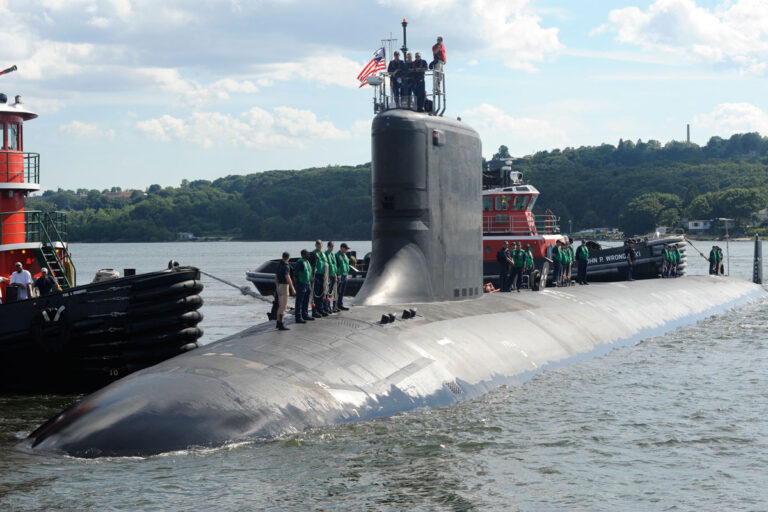
Let’s unpack the star of the show, the Scorpène submarine. Crafted by France’s Naval Group, this isn’t some one-size-fits-all tin can—it’s a modular beast designed for export markets like Argentina’s, with the option to bolt on air-independent propulsion (AIP) for those stealthy, silent runs. Clocking in at 1,600 to 2,000 tonnes when submerged, it’s nimble enough for coastal ops but tough enough for blue-water patrols. On paper, it boasts about 6,000 nautical miles of range at a leisurely 8 knots on diesel-electric power, and with AIP, you’re looking at over 50 days of endurance without popping up for a noisy snorkel. A crew of just 31 keeps things efficient, which is a godsend for a navy that’s been stretched thin.
Under the hood, the SUBTICS combat system ties it all together—bow and flank sonars for sniffing out threats, electronic support measures to eavesdrop on enemy chatter, and a fire-control setup that’s as intuitive as it is deadly. Arm it with the F21 heavyweight torpedo for underwater brawls or the Exocet SM39 anti-ship missile for surface strikes, and you’ve got a platform that’s equally at home hunting subs or keeping enemy ships at bay. In the context of Argentina’s South Atlantic playground, this means real teeth for anti-surface and anti-submarine warfare, whether it’s shadowing fishing fleets gone rogue or deterring bolder incursions.
Shifting topside, Milei’s nod to “buques para patrullar las costas”—ships to patrol the coasts—almost certainly points to expanding the OPV-87 family, already a familiar sight in Argentine waters as the Bouchard class. These 87-meter workhorses displace around 1,650 tonnes and can push 20 knots, armed with a punchy 30mm Marlin-WS gun plus machine guns for good measure. The newer builds have smart upgrades: cold-weather tweaks for those biting Patagonian winds, active stabilization to ride out rough seas, a bow thruster for finesse in tight harbors, and beefed-up combat and comms gear. They sling rigid-hulled inflatable boats (RHIBs), sport a helicopter deck, and even handle UAV launches—perfect for everything from fisheries enforcement and search-and-rescue gigs to flexing sovereignty right up to the exclusive economic zone (EEZ) fringes.
If Argentina greenlights the Scorpènes, the early decisions on AIP and other bells and whistles will ripple through ops in big ways. That AIP kit? It’s a game-changer for staying hidden, slashing the acoustic footprint during silent patrols under radio silence or emission control (EMCON). No more frequent surfacing means longer loiters near strategic chokepoints, like the Drake Passage or key sea lanes. The sensor array feeds into building a Recognized Maritime Picture (RMP) and Common Operational Picture (COP), giving commanders a crystal-clear view of the battlespace. And with the F21 and SM39 in the tubes, you’ve got precise tools for selective denial—zap a threat without escalating the whole theater.
Pair that with more OPV-87s, and the synergy sings. These surface ships handle the day-to-day grind: presence patrols, law enforcement, and feeding fresh intel into the RMP/COP via the Polaris combat system and NiDL tactical data link. They’re the eyes and ears, cueing subs and naval aviators to weird surface blips or poaching trawlers. The Scorpènes, meanwhile, lurk as the quiet enforcers—discreet deterrents that force adversaries to second-guess every move, adding layers to Argentina’s sea denial strategy. In a pinch, the Exocet’s over-the-horizon punch protects offshore rigs and infrastructure, while controlled burst transmissions let subs whisper updates to the COP without blowing cover.
Logistically, this feels like low-hanging fruit for Argentina. The OPV-87s are already in the fleet, so crews know the drill—minimal ramp-up risk, whether they’re headed to the Armada Argentina or the Prefectura Naval for coast-guard duties. For the subs, Naval Group’s export playbook includes local sustainment hooks: training pipelines, tech transfers, and tie-ins to Argentina’s Defence Industrial and Technological Base (BITD). Shipyards could handle overhauls, keeping dollars in-country. Financing? Expect French credit lines and a drawn-out payment plan, mirroring other big-ticket naval buys—years of phased outlays post-signature to ease the budget bite.
This isn’t happening in a vacuum, of course. It’s a savvy stitch in Argentina’s Euro-Atlantic outreach, locking in French funding and partnerships while boosting ties with regional Scorpène siblings like Brazil and Chile. Joint anti-submarine warfare drills and RMP data swaps? Suddenly, interoperability isn’t a buzzword—it’s a force multiplier. A handful of these subs flips the South Atlantic script: opportunistic grabs on energy fields, seabed cables, or sensor arrays get way pricier. For France, it’s a win-win—cementing hemispheric influence and feeding steady work to its shipbuilders.
If Milei’s team plays it smart—staggering OPV and sub deliveries, baking in early training and data-link harmony, and shielding sustainment funds—Argentina could evolve from sporadic sea presence to a rock-solid maritime guardian. It’s about lawful control, predictable responses to crises, and contributing to global stability in a region where the ocean is both bounty and battleground. As these negotiations barrel toward a handshake, keep an eye on Buenos Aires; this could redefine how Argentina sails into its future.
For naval watchers, South American defense buffs, or anyone tracking global arms flows, Argentina’s Scorpene push is a reminder that even in tight fiscal times, strategic seas demand bold bets. What’s next—delivery dates or offset deals? The waves are just starting to build.
About The Author