The geopolitical landscape of the Gulf region is in constant flux, marked by evolving threats and strategic realignments. Recent years have seen a significant escalation in drone and missile attacks, prompting Gulf states to critically reassess and fortify their air defense capabilities. In a notable shift, many of these nations are increasingly turning to U.S. defense giant Raytheon, signaling a deepening of security partnerships and a recognition of the sophisticated threats emanating from various actors in the broader Middle East. This strategic pivot is not merely a transactional exchange but a complex dance of diplomacy, technological superiority, and the urgent need for robust protection against the rapidly evolving nature of modern warfare.
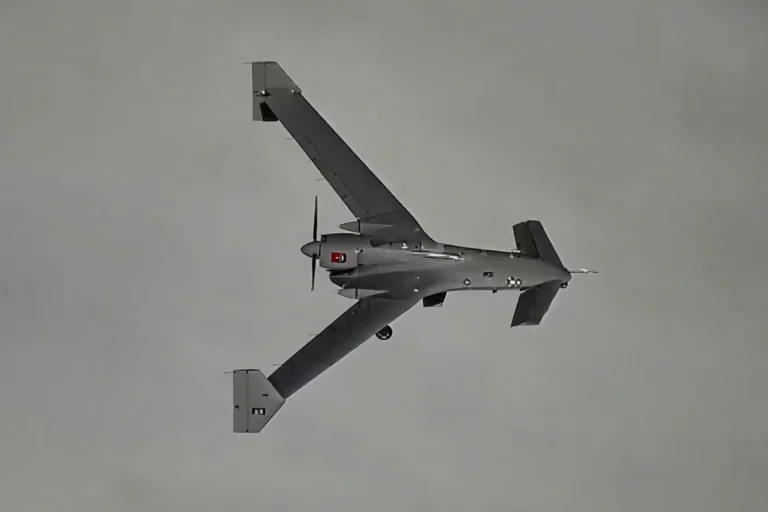
For decades, Gulf states have maintained diverse arsenals, often sourcing military hardware from a range of international suppliers. However, the sheer effectiveness and proven track record of Raytheon’s air defense systems, particularly in intercepting complex aerial threats, have become undeniable. The decision to lean more heavily on American technology is driven by a confluence of factors, including the perceived reliability of U.S. systems, the robust logistical and training support that accompanies them, and the desire to integrate into a broader, interconnected defense architecture. The threat landscape has morphed from conventional aircraft to a more insidious mix of low-flying drones, cruise missiles, and ballistic missiles, often employed by non-state actors or proxy forces. These weapons, while sometimes rudimentary in appearance, can be highly effective in inflicting damage and creating instability, as evidenced by numerous incidents across the region.
The attacks on Saudi Arabian oil facilities in 2019, which utilized drones and cruise missiles, served as a stark wake-up call, highlighting vulnerabilities even in well-equipped air defense systems. These incidents underscored the necessity for multi-layered defenses capable of detecting, tracking, and neutralizing a wide spectrum of airborne threats. Raytheon, with its portfolio of advanced systems such as the Patriot missile defense system, NASAMS (National Advanced Surface-to-Air Missile System), and various radar technologies, offers precisely this kind of comprehensive solution. The Patriot system, in particular, has demonstrated its prowess in intercepting ballistic missiles in real-world scenarios, making it a highly sought-after asset in regions facing such threats.
Furthermore, the integration of these sophisticated systems requires extensive training, maintenance, and intelligence sharing. The U.S. commitment to these aspects, often through long-term defense agreements and joint exercises, provides Gulf states with a level of confidence and operational readiness that is crucial in a volatile environment. This deep collaboration extends beyond mere sales, fostering a strategic alliance that aims to enhance regional stability and deter potential aggressors. The ongoing threat from various groups operating within Yemen, Iraq, and other areas, often employing inexpensive yet effective drone technology, necessitates a continuous upgrade and adaptation of defense strategies.
The economic implications of this pivot are also significant. These defense contracts represent multi-billion-dollar investments, cementing economic ties between the U.S. and Gulf nations. While some may view this as an increased reliance, others see it as a pragmatic choice driven by necessity and the proven capabilities of a leading defense provider. The geopolitical chessboard of the Middle East is complex, with regional rivalries and external influences constantly at play. By aligning more closely with U.S. defense technology, Gulf states are not only enhancing their immediate security but also signaling their strategic orientation in a multipolar world.
Looking ahead, this trend is likely to continue as drone and missile technology becomes even more sophisticated and accessible. The arms race in the region is not just about acquiring more weapons but about acquiring the right weapons and the right defensive capabilities to counter specific, evolving threats. The partnership with Raytheon and other U.S. defense contractors will likely involve further technological transfers, localized production, and deeper integration of command and control systems, all aimed at creating a more resilient and impenetrable air defense shield for the Gulf states. This strategic pivot is a testament to the dynamic nature of modern warfare and the continuous effort required to maintain peace and security in an increasingly challenging world.
About The Author