In a world grappling with complex geopolitical shifts, the United States recently sent a clear and unequivocal message, not with words, but with the raw power of its strategic arsenal. From the Vandenberg Space Force Base in California, a Minuteman III intercontinental ballistic missile (ICBM) soared into the predawn sky, arcing gracefully over the Pacific before delivering its unarmed test re-entry vehicle to a designated impact zone near Kwajalein Atoll in the Marshall Islands. This wasn’t merely a routine test; it was a deliberate, high-profile reaffirmation of America’s nuclear capabilities, a vivid demonstration of the nation’s unwavering commitment to its strategic deterrence mission.
The launch, conducted in early 2025, served as a vital pulse-check for a critical component of the U.S. nuclear triad – the land-based leg that provides bedrock stability to the nation’s defense posture. In a landscape where the spectre of nuclear proliferation and the aggressive posturing of rival powers loom large, such demonstrations are more than just exercises in technical prowess; they are essential acts of global communication, signaling readiness, reliability, and resolve to both allies and potential adversaries.
The Minuteman III: A Legacy of Vigilance
The Minuteman III, first deployed in the early 1970s, stands as a testament to enduring American engineering and strategic foresight. For over half a century, these silent sentinels, tucked away in underground silos across the American heartland, have formed the backbone of the nation’s ground-based nuclear deterrent. While the system itself has aged, it has been continually modernized and maintained with meticulous care, ensuring its viability and effectiveness in the 21st century.
Each Minuteman III is a three-stage, solid-propellant missile capable of traveling thousands of miles at hypersonic speeds, carrying a single re-entry vehicle. Its accuracy, reliability, and rapid launch capability make it a formidable deterrent. The recent test, therefore, wasn’t just about launching a missile; it was about validating the entire intricate ecosystem that supports it: the highly skilled personnel of the Air Force Global Strike Command, the maintenance crews, the security forces, and the advanced telemetry and tracking systems that ensure every aspect of a launch is monitored and analyzed.
The Nuclear Triad: A Cornerstone of Stability
The U.S. nuclear deterrent is built upon a “triad” of delivery systems: ICBMs (like the Minuteman III), submarine-launched ballistic missiles (SLBMs), and strategic bombers capable of carrying nuclear weapons. Each leg of this triad provides unique advantages, enhancing the overall resilience and credibility of the deterrent.
- Land-based ICBMs: Offer prompt response capability and are difficult for an adversary to target simultaneously. Their fixed locations provide a clear target array, which paradoxically enhances deterrence by presenting a dilemma to an aggressor.
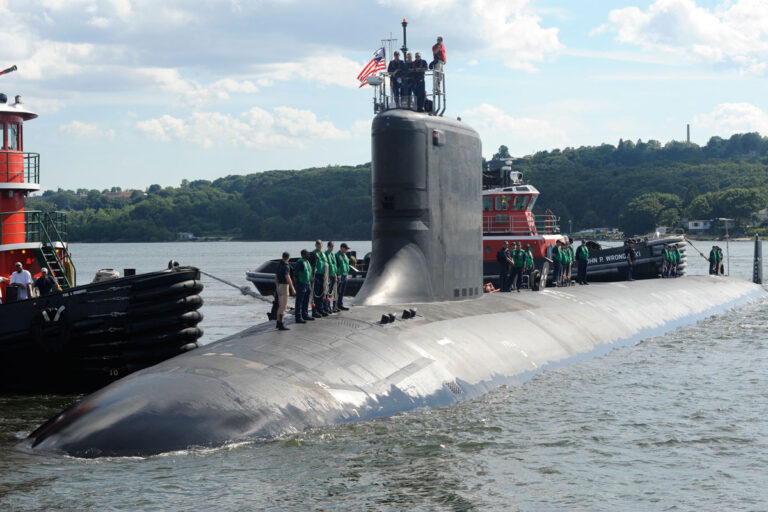
- Sea-based SLBMs: Carried by stealthy ballistic missile submarines (SSBNs), these provide an almost invulnerable second-strike capability, ensuring that an adversary could never achieve a disarming first strike.
- Air-based Bombers: Provide flexibility and recallability, allowing for a visible show of force and the ability to adapt to evolving situations.
The successful Minuteman III test underscores the continued importance of the land-based leg. It demonstrates that this vital component remains fully operational and ready to respond, reinforcing the foundational principle of nuclear deterrence: that any attack on the United States or its allies would be met with a devastating response.
A Message to the World: Reliability and Readiness
In an era marked by heightened tensions with nations actively expanding their own nuclear arsenals and developing advanced delivery systems, the U.S. test serves multiple critical purposes:
- Assuring Allies: It reassures U.S. allies, particularly those under the American nuclear umbrella, that the commitments made to their security are backed by credible and functional strategic capabilities.
- Deterring Adversaries: It sends an unambiguous signal to potential adversaries that attempts at nuclear coercion or aggression would be met with devastating consequences. It underscores the immense risk associated with any miscalculation.
- Validating Systems and Personnel: Beyond the geopolitical messaging, these tests are crucial for verifying the performance of the missile systems, testing the readiness of launch crews, and ensuring the continued safety and reliability of the entire nuclear enterprise. Data gathered from such tests informs maintenance schedules, modernization efforts, and operational protocols.
- Maintaining Expertise: The complex logistics and technical demands of preparing and launching an ICBM ensure that the critical skills and knowledge required to operate these systems are continually honed and passed down through generations of Air Force personnel.
Modernization on the Horizon: Sentinel Takes Flight
While the Minuteman III continues to serve its vital role, the U.S. is already looking to the future. The Sentinel program (formerly known as the Ground-Based Strategic Deterrent or GBSD) is underway to replace the aging Minuteman III fleet with a new generation of ICBMs. This modernization effort, expected to deploy its first missiles in the early 2030s, will ensure that the land-based leg of the triad remains robust, technologically advanced, and credible for decades to come.
The recent Minuteman III launch, therefore, is a bridge between eras – a demonstration of present capabilities as the nation prepares for the next chapter in strategic deterrence. It is a powerful reminder that even in an age of advanced conventional warfare and emerging technologies, the ultimate guarantors of national security remain those silent guardians, ever vigilant, ever ready, ensuring the peace through strength.
About The Author