In a groundbreaking move that’s set to revolutionize modern warfare and deepen transatlantic defense alliances, the Netherlands has officially jumped aboard the United States Air Force’s ambitious Collaborative Combat Aircraft (CCA) program. This initiative, focused on developing cutting-edge AI-enabled combat drones designed to seamlessly integrate with advanced fighter jets like the F-35, marks a pivotal moment in the evolution of unmanned aerial systems. Signed through a letter of intent in Washington on October 16, just ahead of the NL-US Defense Industry Days, this partnership was announced by Dutch State Secretary for Defense Gijs Tuinman. It’s not just a simple agreement—it’s a strategic leap forward that positions the Netherlands at the forefront of AI-driven air combat innovation, blending human-piloted aircraft with autonomous drones in ways that could redefine battlefield dynamics.
To understand the full scope of this development, let’s delve into the background of the CCA program. Launched by the U.S. Air Force, the Collaborative Combat Aircraft initiative aims to create a new generation of unmanned drones that act as loyal “wingmen” to manned fighters. These drones aren’t your average remote-controlled toys; they’re sophisticated, AI-powered machines capable of operating in high-threat environments. Controlled directly from the cockpit of an F-35 or similar aircraft, they can extend the pilot’s sensor reach, carry extra munitions, and even take on the most dangerous missions—such as penetrating enemy defenses or engaging in electronic warfare—all while minimizing risks to human lives. The program’s emphasis on autonomy means these drones can make split-second decisions based on real-time data, adapting to evolving threats without constant human input. For the Netherlands, joining this program isn’t merely about acquiring new tech; it’s a deliberate strategy to innovate in unmanned systems, ensuring their air force remains competitive in an era where speed, precision, and integration are key to dominance.
What makes this partnership particularly noteworthy is the Netherlands’ status as the first European nation to publicly align with the CCA initiative. As a key NATO member and an operator of the F-35A Lightning II stealth fighter, the Dutch air force is embedding itself deeply into one of the U.S.’s flagship autonomous airpower projects. This “first in Europe” milestone isn’t just symbolic—it’s strategically vital. It allows the Netherlands to influence the program’s direction from the inside, helping shape requirements that could affect future NATO operations. Imagine a scenario where European and American forces operate in perfect harmony, with shared standards for data links, communication protocols, and tactical doctrines. This alignment could enhance NATO’s overall interoperability, making the alliance more resilient against potential adversaries like Russia or China, who are also racing to develop similar technologies.
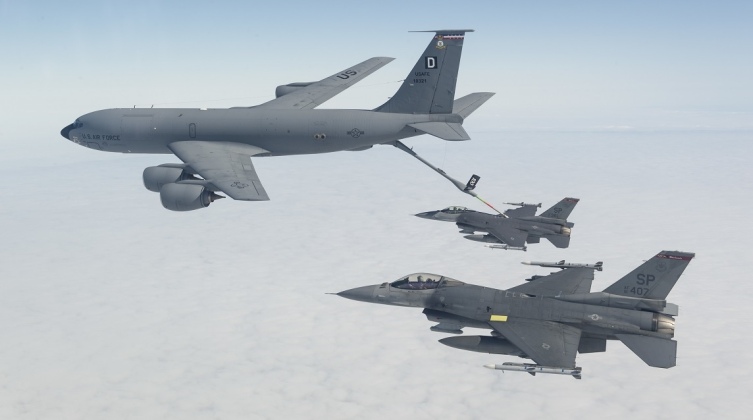
Operationally, the integration of CCA drones into Dutch F-35 missions promises to transform how air campaigns are conducted. Picture this: A squadron of F-35s taking off from a base in the Netherlands, accompanied by a swarm of autonomous drones. These uncrewed platforms could scout ahead, jamming enemy radars, launching precision strikes, or providing persistent surveillance over vast areas—all while the human pilots focus on command and control from a safer distance. The Dutch government highlights how these manned-unmanned teams will boost fighter effectiveness by increasing “mass and survivability.” In military terms, “mass” refers to the sheer number of assets that can be deployed quickly and affordably, while “survivability” means reducing losses in contested airspace. By offloading high-risk tasks to drones, which are cheaper and faster to produce than traditional fighters, the Netherlands can extend its operational reach, maintain longer patrols, and deliver more firepower without exponentially increasing costs or manpower.
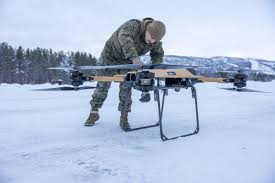
But the Dutch approach goes beyond just the CCA program. In a parallel effort, the Netherlands’ Ministry of Defense is collaborating with General Atomics Aeronautical Systems—a leading U.S. drone manufacturer—to develop smaller, intelligence, surveillance, and reconnaissance (ISR) oriented drones. These will be produced locally by VDL, a Dutch industrial giant, with the first units expected to enter service as early as next year. This dual-track strategy underscores a comprehensive ecosystem build: On one hand, tapping into U.S.-led innovation for high-end combat drones; on the other, fostering domestic production to bolster national industry and supply chains. It’s a smart play that not only enhances military capabilities but also creates jobs, stimulates technological advancements, and reduces dependency on foreign suppliers. For a country like the Netherlands, with its strong engineering heritage and commitment to NATO, this move nurtures a vibrant defense sector while aligning with broader alliance goals.
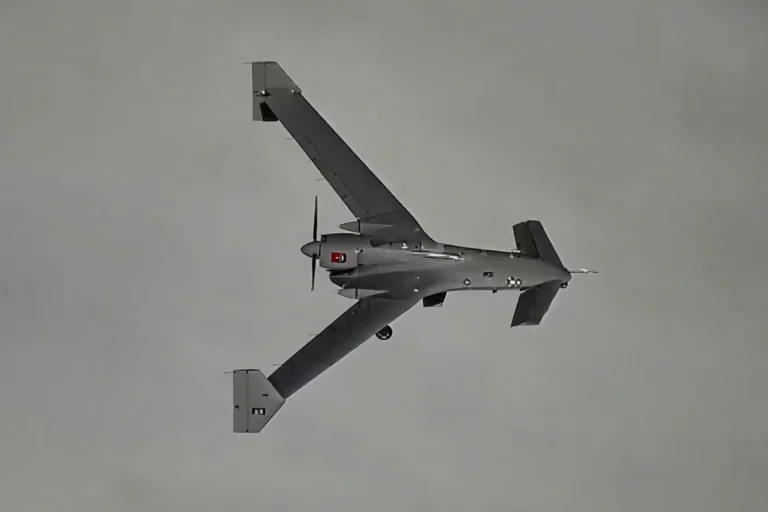
This announcement doesn’t exist in a vacuum—it’s part of a larger trend sweeping through NATO allies. Just days before the Dutch reveal, in Ankara, Türkiye’s defense firm Aselsan unveiled its vision for sixth-generation air combat. Centered around the KAAN fighter jet and a suite of Turkish-made drones, their concept emphasizes data fusion, network-centric warfare, and seamless coordination between crewed and uncrewed assets. While not directly connected to the U.S. CCA program, it echoes the same principles: Building “families of systems” where platforms share real-time intelligence, distribute roles dynamically, and operate as a cohesive unit. This convergence suggests a unified direction for NATO’s future airpower—distributed, networked operations that leverage AI to outpace opponents. If standards are harmonized across programs like CCA and national initiatives, it could lead to unprecedented levels of alliance cohesion, where a Dutch F-35 could effortlessly team up with a Turkish KAAN or an American drone swarm.
Of course, the true impact of the Netherlands’ involvement will depend on several factors. How deeply will Dutch experts be integrated into CCA’s development phases? Will manned-unmanned tactics be rigorously tested in joint NATO exercises, validating their effectiveness in real-world scenarios? And crucially, how will transatlantic industrial partnerships translate lofty intentions into tangible, field-ready capabilities? Challenges abound—from ensuring cybersecurity in AI systems to addressing ethical concerns around autonomous weapons—but the potential rewards are immense. Enhanced deterrence, cost savings, and technological superiority could all flow from this collaboration, strengthening not just Dutch defenses but the entire NATO framework.
In summary, the Netherlands’ entry into the U.S. CCA program is a bold step into the future of warfare, anchoring a European powerhouse in autonomous air combat while spurring domestic innovation. As allies worldwide pivot toward collaborative systems, this partnership could be the catalyst for a new era of integrated, AI-enhanced military operations. Stay tuned as these developments unfold—they might just reshape the skies of tomorrow.
About The Author