In the ever-shifting sands of Middle Eastern geopolitics, Saudi Arabia is once again making headlines with its ambitious plans to supercharge its Royal Saudi Air Force (RSAF). The kingdom, long a powerhouse in the region, is reportedly deep in discussions with the United States to acquire advanced fighter jets—specifically the battle-hardened F-15EX Eagle II and the stealthy F-35 Lightning II. This isn’t just about buying planes; it’s a strategic chess move to solidify Saudi Arabia’s position as the undisputed king of the skies in the Middle East, outpacing rivals and deterring threats from Yemen to Iran.
Picture this: The RSAF, already boasting one of the world’s largest fleets with over 300 combat aircraft, wants to leapfrog into the future. Sources close to the negotiations, as reported by defense insiders, reveal that Riyadh is weighing these U.S. offerings against other global options, but the pull of American tech—proven in real-world ops from the Gulf War to today’s counter-terrorism missions—is proving irresistible. Why now? Tensions simmer across the region, with Houthi drone swarms from Yemen testing Saudi defenses and Iran’s ballistic missile program casting long shadows. A beefed-up air force isn’t a luxury; it’s a necessity for the Kingdom’s Vision 2030 diversification push, blending oil wealth with cutting-edge military might.
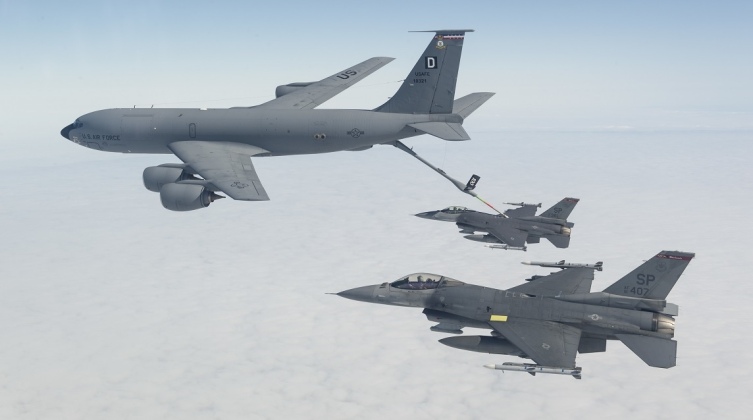
Let’s break down the contenders. First up, the Boeing F-15EX. This isn’t your grandpa’s F-15—it’s the Eagle II, a modernized beast born from the U.S. Air Force’s own upgrade needs. Packing twin GE F110 engines that push it past Mach 2.5, the F-15EX can haul up to 29,500 pounds of weapons, including hypersonic missiles and next-gen air-to-air munitions. What sets it apart? Its “fly-by-wire” controls for pinpoint accuracy, a massive digital cockpit with augmented reality helmet displays, and an open-architecture system that lets Saudi engineers tweak it for local threats—like integrating Israeli-derived tech if alliances deepen. Riyadh’s interest here stems from familiarity; they’ve flown F-15s since the 1980s, with the Saudi Advanced Pilot Trainer program already churning out aces for these birds. Acquiring 54 F-15EXs, as floated in recent talks, would extend the RSAF’s high-end strike capability well into the 2040s, perfect for deep interdiction runs over vast desert expanses.
But the real game-changer? The Lockheed Martin F-35. This fifth-generation stealth fighter is the crown jewel of U.S. exports, and Saudi Arabia’s pursuit of it marks a thaw in bilateral ties after years of frosty relations over human rights and Yemen. The F-35A variant, with its sensor fusion wizardry, can detect enemies 100 miles out while staying invisible to radar. Imagine a squadron of these zipping through contested airspace, sharing real-time data via secure links to ground troops or allied F-15s—it’s network-centric warfare on steroids. The jet’s internal weapons bays keep that sleek profile for surprise strikes, and its software-upgradable brain means it’ll evolve with threats like drone swarms or electronic warfare. Saudi officials have hinted at wanting up to 100 F-35s, a deal that could top $50 billion, but it’s not just hardware; it’s about training pipelines in the U.S. and joint exercises that bind the allies tighter.
This dual-track approach—blending the F-15EX’s brute force with the F-35’s subtlety—mirrors how other Gulf states like the UAE and Qatar are building hybrid fleets. For Saudi Arabia, it’s about redundancy: The F-15EX handles the heavy lifting in permissive environments, while F-35s penetrate high-threat zones. Experts say this combo could make the RSAF the Middle East’s most potent air arm, eclipsing Israel’s F-35-equipped IAF in sheer numbers and versatility. But hurdles remain. Congress must greenlight F-35 sales due to sensitive tech, and pricing haggling could drag on. Plus, integration challenges: Saudi pilots, elite as they are, will need years to master these platforms amid ongoing ops against Houthi incursions.
Zooming out, this procurement frenzy ties into broader shifts. The Abraham Accords have opened doors for tech-sharing, and with U.S. arms sales rebounding post-Biden admin tweaks, Riyadh sees an opportunity to modernize without over-relying on European or Russian alternatives. Think about the ripple effects: Local jobs in maintenance hubs like King Abdulaziz Air Base, boosted R&D under the Saudi Arabian Military Industries (SAMI), and even tourism spikes from air shows showcasing these jets. It’s Vision 2030 in action—militarizing prosperity.
As negotiations heat up, all eyes are on Riyadh. Will they ink the deals by year’s end, or play hardball for offsets like joint F-35 production lines? One thing’s clear: Saudi Arabia’s quest for the Middle East’s most powerful air force is accelerating, and these U.S. fighters could be the turbo boost it needs. Stay tuned—this skyward arms race is just getting airborne.
About The Author