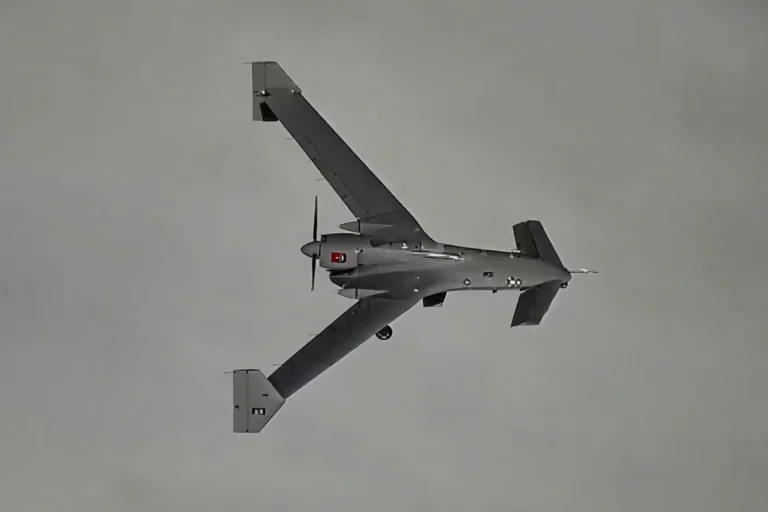
In the rapidly evolving landscape of modern warfare, the ubiquitous drone has emerged as a game-changer, presenting both opportunities and significant challenges for armed forces worldwide. From reconnaissance and surveillance to targeted strikes and even swarming attacks, unmanned aerial vehicles (UAVs) are reshaping battlefields and necessitating new strategies and technologies to counter them. Amidst this paradigm shift, a familiar yet seemingly anachronistic aircraft is being re-evaluated for a surprisingly potent new role: the A-29 Super Tucano, a robust turboprop light attack aircraft, is increasingly being considered for specialized drone hunting missions. This development highlights a fascinating trend where cost-effective, adaptable platforms are proving invaluable against sophisticated, yet often slow and vulnerable, drone threats.
The A-29 Super Tucano, manufactured by Embraer in Brazil, is renowned for its versatility, durability, and effectiveness in irregular warfare environments. It’s a proven platform, having seen extensive combat service with numerous air forces around the globe, particularly in counter-insurgency and close air support roles. Its strengths lie in its relatively low operating cost, long loiter time, ability to operate from austere airfields, and capacity to carry a diverse range of weaponry, from machine guns and rockets to precision-guided munitions. These very characteristics, traditionally valued for ground attack, are now being identified as highly advantageous for tackling the growing menace of enemy drones.
Traditional air defense systems, typically designed to counter high-speed, high-altitude threats like fighter jets and ballistic missiles, are often ill-suited or prohibitively expensive for engaging the swarms of smaller, slower, and lower-flying drones. Deploying a multi-million-dollar fighter jet or firing an expensive surface-to-air missile at a relatively cheap, off-the-shelf drone is often an economically unsustainable proposition, leading to what strategists call an “unfavorable cost exchange ratio.” This is precisely where the Super Tucano can carve out a critical niche.
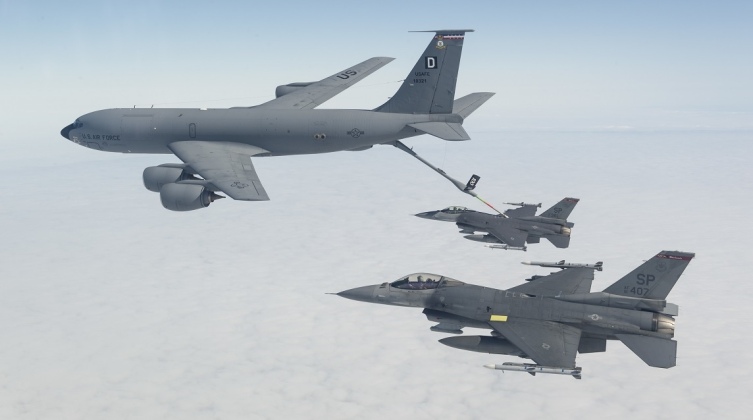
Imagine a scenario where a group of hostile drones, perhaps modified commercial quadcopters or purpose-built military UAVs, are attempting to penetrate defended airspace or harass ground forces. Launching an F-16 or an F-35 would be overkill in terms of speed, cost, and complexity. The Super Tucano, however, offers a compelling alternative. Its relatively slow speed (compared to jets) is actually an asset when tracking and engaging slow-moving targets. Its excellent maneuverability at lower altitudes allows it to effectively intercept drones that might evade radar detection or operate beneath the coverage of larger air defense systems.
Equipped with advanced electro-optical/infrared (EO/IR) sensors, the A-29 can effectively detect and track drones day or night, even in challenging weather conditions. Once a drone is identified, the Super Tucano can engage it using its internal heavy machine guns, which provide a cost-effective and abundant ammunition supply for multiple engagements. For more resilient or evasive drones, it can carry air-to-air missiles, though the preference would generally be for cheaper kinetic solutions. The combination of precision sensors and flexible armament makes it a formidable platform for aerial interdiction against UAVs.
Furthermore, the Super Tucano’s impressive endurance and loiter capabilities mean it can remain on station for extended periods, patrolling designated areas and providing persistent counter-drone coverage. This is crucial for defending static assets, convoys, or forward operating bases against prolonged drone threats. Its ability to operate from rough, unimproved airstrips also means it can be rapidly deployed closer to the front lines or to remote areas where drone threats are most prevalent, reducing response times.
The concept of using propeller-driven aircraft for drone hunting isn’t entirely new; historical examples of biplanes being used to intercept observation balloons or even early drones exist. However, the modern context brings advanced sensor technology, networked capabilities, and precision weapons to the equation, making platforms like the A-29 far more effective. It represents a pragmatic and intelligent approach to a rapidly emerging threat, leveraging existing, proven technology in innovative ways.
As nations grapple with the proliferation of drones and the growing sophistication of their use by both state and non-state actors, the demand for cost-effective, adaptable counter-drone solutions will only intensify. The A-29 Super Tucano, with its unique blend of attributes, is poised to play a significant role in this evolving domain, demonstrating that sometimes, the most effective answers to new challenges can be found in the intelligent application of proven, robust, and versatile platforms. Its transformation into a potential “drone hunter” highlights the continuous innovation required to maintain air superiority and defend against the threats of tomorrow.
About The Author