The cornerstone of strategic deterrence for both the United States and the United Kingdom, the Trident II D5 submarine-launched ballistic missile (SLBM), is set to undergo a significant modernization program commencing in 2026. This crucial initiative underscores the unwavering commitment of both nations to maintaining a credible and effective nuclear deterrent in an increasingly complex global security landscape.
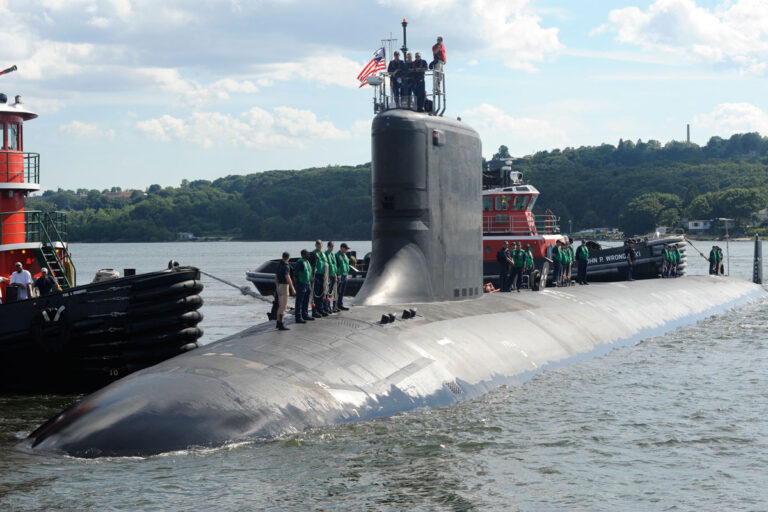
The Trident II D5, a marvel of engineering and a testament to advanced missile technology, has been the backbone of the US Navy’s Ohio-class submarine fleet and the UK Royal Navy’s Vanguard-class submarines for decades. Its exceptional accuracy, long range, and ability to carry multiple independently targetable re-entry vehicles (MIRVs) have made it an indispensable component of their respective nuclear arsenals. However, even the most robust systems require periodic upgrades to ensure continued reliability, address obsolescence, and incorporate technological advancements.
The upcoming modernization program, a collaborative effort between the two allied nations, highlights the enduring “special relationship” and shared strategic interests between the US and UK. This joint approach not only streamlines development and reduces costs but also fosters interoperability and ensures a unified front in maintaining strategic stability. The collaborative spirit behind this endeavor reflects a deep understanding of the critical importance of a robust and modernized nuclear deterrent.
The specifics of the modernization effort are likely to encompass several key areas. While exact details remain classified for obvious security reasons, it’s reasonable to infer that the program will focus on enhancing the missile’s guidance system for even greater precision, upgrading its propulsion system for extended reliability, and refreshing its electronic components to counter potential vulnerabilities and ensure compatibility with future submarine platforms. Furthermore, addressing material fatigue and replacing aging components will be vital to extend the missile’s service life well into the latter half of the 21st century.
Maintaining a nuclear deterrent is not merely about possessing weapons; it’s about ensuring their readiness, reliability, and capability to deter any potential adversary. This modernization program is a proactive step to guarantee that the Trident II D5 remains a formidable and credible deterrent against any threat to national security or international stability. The investment in this program signals a clear message: both the US and the UK are resolute in their commitment to strategic deterrence.
The integration of modernized Trident II D5 missiles with future submarine platforms, such as the US Navy’s Columbia-class and the UK Royal Navy’s Dreadnought-class ballistic missile submarines, is another critical aspect of this initiative. This forward-looking approach ensures seamless compatibility and optimizes the overall effectiveness of the strategic deterrence architecture. The long lead times associated with submarine construction and missile development necessitate such comprehensive planning and execution.
Beyond the technical enhancements, this modernization program also carries significant geopolitical weight. In an era of evolving threats and the proliferation of advanced military technologies, a strong and modern strategic deterrent acts as a crucial safeguard against aggression and coercion. It contributes to global stability by discouraging potential adversaries from undertaking actions that could destabilize international order.
The partnership between the US and UK on this endeavor also serves as a model for international cooperation on critical defense programs. By pooling resources, sharing expertise, and coordinating efforts, both nations can achieve outcomes that would be more challenging to realize independently. This collaborative framework strengthens alliances and enhances collective security. The image of a Trident missile launching from the depths, a symbol of immense power and deterrence, underscores the gravity of this undertaking.
About The Author