In a bold escalation of America’s war on drugs, U.S. forces carried out two precision strikes on suspected narco-trafficking vessels in the Eastern Pacific Ocean on November 9, 2025, resulting in the deaths of six individuals. The announcement came straight from Secretary of War Pete Hegseth on November 10, who framed the operation as a direct response to threats from “designated terrorist organizations” under President Trump’s aggressive counter-narcotics strategy. This isn’t just another bust—it’s part of a sweeping militarized campaign that’s already claimed over 70 lives since September, sparking fierce debates on everything from human rights to international law.
If you’re tracking U.S. national security, drug cartel operations, or the evolving role of the military in global counter-terrorism, this post dives deep. We’ll break down the strikes, the intelligence behind them, the broader policy shift under Trump, and what it means for future operations. From the tech powering these hits to the diplomatic fallout, here’s everything you need to know about how the U.S. is rewriting the rules on fighting fentanyl and cocaine smugglers at sea.
The strikes mark the 19th such operation in just two months, with the death toll now climbing to at least 75. Hegseth, speaking via a post on X (formerly Twitter) and including grainy video footage of the engagements, emphasized that no American personnel were harmed. “These vessels were known by our intelligence to be associated with illicit narcotics smuggling, were carrying narcotics, and were transiting along a known narco-trafficking transit route in the Eastern Pacific,” he stated flatly, underscoring the administration’s zero-tolerance stance.
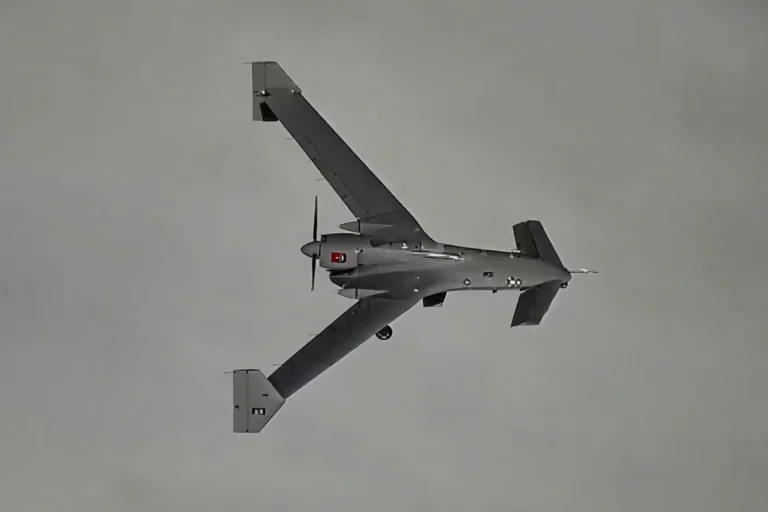
Picture this: two small, go-fast boats slicing through international waters off the coast of South America, engines roaring as they hug a notorious smuggling lane. U.S. surveillance—likely a mix of MQ-9 Reaper drones humming at 50,000 feet and P-8 Poseidon patrol planes sweeping the horizon—picks them up days in advance. Onboard sensors confirm the presence of drugs, maybe bales of cocaine stacked under tarps or hidden compartments. The crews, three men per boat, are pegged as operatives for cartel networks now officially branded as terrorists. Then, in a flash, Hellfire missiles or similar precision-guided munitions rain down, turning the vessels into fiery hulks bobbing in the swells. It’s over in seconds, and the ocean claims the evidence.
This isn’t Hollywood—it’s the new reality of U.S. counter-narcotics. The boats were operating in open waters, far from any coastline, which the administration cites to dodge sovereignty issues. But critics, including the UN’s human rights chief, are crying foul, calling these “extrajudicial killings” that violate international norms. No arrests, no trials—just lethal force based on classified intel that Washington hasn’t declassified for public scrutiny.
Zooming out, these strikes are the sharp end of a massive policy pivot. Back on January 20, 2025—literally Day One of Trump’s second term—he inked Executive Order 14157, kickstarting the designation of major drug cartels as Foreign Terrorist Organizations (FTOs) and Specially Designated Global Terrorists (SDGTs). By February, Secretary of State Marco Rubio had greenlit eight heavy-hitters: the Sinaloa Cartel, Jalisco New Generation Cartel (CJNG), Gulf Cartel, and others like La Nueva Familia Michoacana and Carteles Unidos. Suddenly, these groups aren’t just crooks—they’re enemy combatants waging “indirect warfare” on America through fentanyl-laced pills and heroin shipments that kill tens of thousands yearly.
Trump’s rationale? “The cartels are flooding our country with poison, murdering our people, and destabilizing our borders,” he’s said repeatedly in rallies and interviews. This reclassification unlocks wartime powers: broader rules of engagement, easier asset freezes via the Treasury’s Office of Foreign Assets Control (OFAC), and the ability to hit targets pre-emptively under the Authorization for Use of Military Force (AUMF). No more waiting for Coast Guard boardings or DEA warrants—the Pentagon can treat a speedboat laden with coke like an al-Qaeda skiff in the Arabian Sea.
Pete Hegseth, the former Fox News host turned Secretary of War (a title revived in September 2025 for that old-school punch), is the perfect frontman for this crusade. A Princeton grad and Army National Guard vet with deployments to Iraq, Guantanamo, and Afghanistan, he’s no stranger to kinetic ops. Sworn in as the 29th Secretary of Defense on January 25, he wasted no time pushing reforms: slashing “woke” training, ramping up unmanned systems budgets, and declaring the drug war a “homeland defense” priority. Just last month, in a fiery speech at Quantico, he unveiled 10 directives to overhaul the War Department, including faster kill-chain integrations for maritime threats.
Tactically, the Eastern Pacific focus is telling. For years, the Caribbean bore the brunt—think high-speed chases near Venezuela or Jamaica. But cartels adapt fast; with U.S. patrols thickening there, they’ve swung west, exploiting the vast Pacific blue for “semi-submersibles” and go-fasts hauling South American coke toward Mexico or direct to U.S. ports. The DEA estimates 90% of U.S.-bound cocaine transits this route, often in vessels too nimble for traditional interdictions. Enter the hybrid model: intel fusion from satellites, signals intercepts, and human sources feeds into a “kill web” where drones loiter for hours, feeding live video to operators in Nevada or Florida. Strikes like these disrupt the flow without risking sailors in close-quarters fights.
But what’s the tech stack? The Pentagon’s mum, but defense insiders whisper MQ-9s with maritime radar upgrades, maybe even experimental swarms from Anduril or Northrop Grumman. These platforms pack Hellfires or GBU-69 small-diameter bombs—low-collateral options that minimize debris fields. Layer in AI-driven anomaly detection spotting suspicious wakes or thermal signatures, and you’ve got a system that’s as much sci-fi as strategy. Expect Congress to pump billions into this: the FY2026 budget already eyes $2.5 billion for counter-UAS and ISR in the littorals, with contractors like Lockheed and Raytheon salivating.
Of course, it’s not all smooth sailing. Diplomatically, Latin American leaders are jittery—Colombia’s president called it “gunboat vigilantism,” while Mexico threatens WTO complaints over sovereignty. Families of the dead, often portrayed as “poor fishermen” in local media, demand proof; one Reuters report highlighted a Venezuelan village mourning a strike victim they insist was just a deckhand. Human rights groups like Amnesty International decry the lack of transparency, warning of blowback like radicalized recruits or strained alliances.
On the home front, it’s a mixed bag. Polls show 60% of Americans back the tough-on-cartels line, especially in opioid-ravaged states like Ohio and West Virginia. But progressives in Congress, led by the Squad, are pushing bills for oversight, demanding unredacted intel and independent reviews. Trump, ever the showman, floated seeking a formal war declaration last month but shrugged it off: “We don’t need permission to defend our kids from this poison.”
Looking ahead, this campaign’s just revving up. With 20 boats sunk and counting, the admin’s eyeing expansion—maybe drone carriers off Ecuador or cyber ops on cartel comms. For the defense industry, it’s boom time: think more contracts for low-observable munitions and AI targeting suites. But the real test? Will it dent the $150 billion U.S. drug trade, or just push smugglers to subs and tunnels?
As Hegseth put it, this is “defense of the homeland”—raw, unapologetic, and unrelenting. Whether it’s a turning point in the forever war on drugs or a dangerous overreach, one thing’s clear: the Eastern Pacific just got a lot hotter. Stay tuned as this story unfolds; we’ll keep updating with fresh intel and analysis.
About The Author