The North Atlantic, a historically vital strategic waterway, is once again at the forefront of global defense considerations. In a clear demonstration of its renewed commitment to regional security and its pivotal role within NATO, the United Kingdom’s Carrier Strike Group (CSG) is undertaking a significant deployment that is effectively “resetting” the British-Norwegian playbook in this crucial maritime theater. This isn’t just another exercise; it’s a profound re-evaluation of how these two key NATO allies will operate together, particularly in the challenging and strategically important High North, against the backdrop of an evolving geopolitical landscape.
The North Atlantic serves as a critical bridge between North America and Europe, and its control has always been paramount for transatlantic security. In recent years, increased activity by potential adversaries in the region, coupled with the growing strategic importance of the Arctic, has necessitated a robust and adaptive NATO response. Both the UK and Norway, with their extensive maritime heritage and strategic geographical positions, are indispensable to this response. The deployment of a UK CSG, spearheaded by one of its Queen Elizabeth-class aircraft carriers (either HMS Queen Elizabeth or HMS Prince of Wales), brings unparalleled air and sea power to this region, signaling a renewed focus on high-end maritime operations.
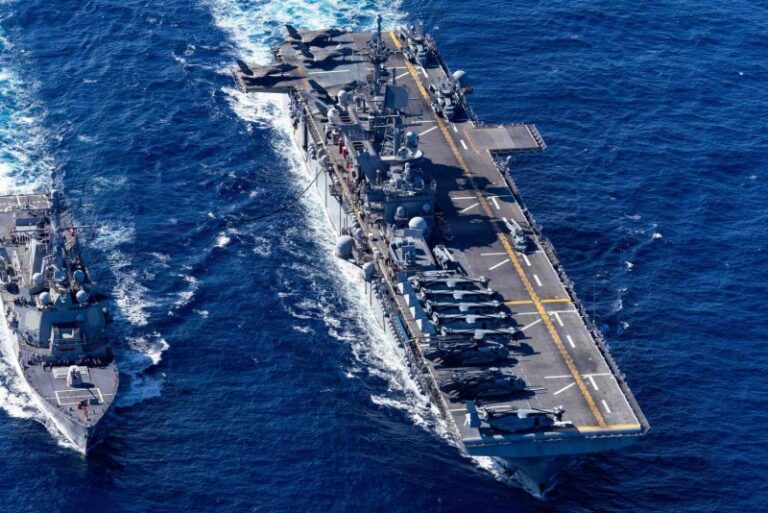
The centerpiece of the CSG is, of course, the aircraft carrier itself, operating its potent air wing of F-35B Lightning II stealth fighter jets. These fifth-generation aircraft provide unmatched capabilities in air superiority, reconnaissance, and strike missions. Their presence in the North Atlantic significantly enhances NATO’s ability to project power, control air space, and deter aggression over vast maritime areas. For Norway, having a fully operational UK CSG in its backyard offers an incredible layer of defense and a powerful training opportunity to integrate their own forces with a cutting-edge naval aviation platform.
The “resetting” of the playbook implies a deeper, more sophisticated level of integration and operational planning between the Royal Navy and the Royal Norwegian Navy, as well as their respective air forces. This goes beyond simple joint exercises; it encompasses sharing intelligence, refining command and control procedures, developing new tactics for operating in challenging Arctic conditions, and enhancing interoperability at every level. The goal is to create a seamless, cohesive force capable of responding to any threat, from submarine activity to surface fleet movements, across the entire spectrum of conflict.
Norway’s unique geography makes it a vital partner in North Atlantic security. Its extensive coastline, fjords, and proximity to the Arctic provide critical strategic depth and forward operating locations for monitoring and controlling access to the GIUK (Greenland-Iceland-UK) Gap, a choke point essential for maritime defense. The cooperation with the UK CSG will likely involve:
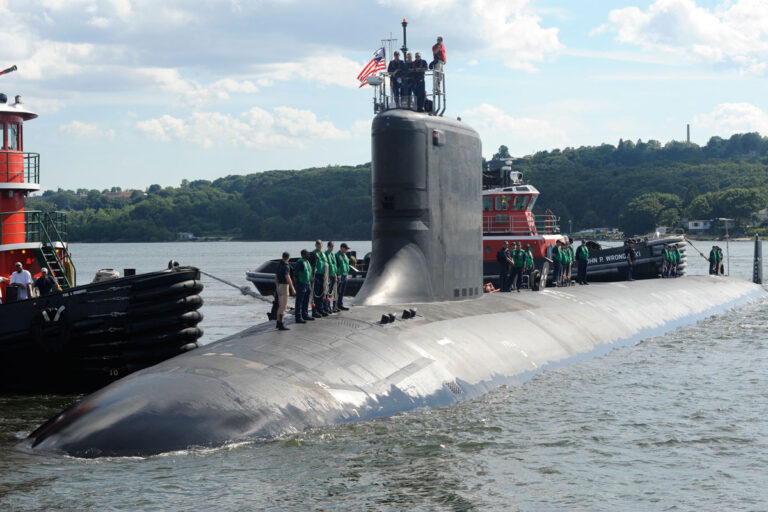
- Integrated Anti-Submarine Warfare (ASW): The North Atlantic is a prime operating area for submarines. The CSG’s helicopters (Merlin Mk2) and F-35Bs, combined with Norwegian frigates, submarines, and maritime patrol aircraft, will conduct advanced ASW drills, honing their ability to detect, track, and deter underwater threats.
- Air-Sea Integration: F-35Bs operating from the carrier will practice integrating with Norwegian F-35As (Norway also operates the F-35), as well as coordinating with Norwegian surface vessels and ground-based air defense systems, creating a layered defense.
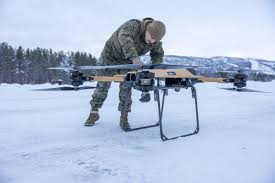
- Arctic Operations: Both navies will focus on operating in cold weather environments, navigating challenging ice conditions (if applicable to the specific deployment), and understanding the unique logistical and operational demands of the High North. This is particularly relevant given the increasing strategic importance of the Arctic.
- Force Protection and Logistics: Practicing the complex task of protecting a high-value asset like an aircraft carrier in a dynamic environment, alongside resupplying it and its escorts, will be a key component of the joint exercises.
This deployment is also a powerful statement of NATO’s collective resolve. In a period of heightened geopolitical tensions, demonstrating the ability of allies to rapidly deploy high-end military capabilities and operate seamlessly together sends a strong message of deterrence. It reassures allies in the region and serves as a warning to potential adversaries that any aggressive actions in the North Atlantic will be met with a unified and formidable response.
The British-Norwegian collaboration, strengthened by the presence of the UK CSG, is not just about tactical exercises; it’s about investing in a long-term strategic partnership that enhances regional stability and contributes significantly to the overall security of the Euro-Atlantic area. This “resetting” of the playbook acknowledges the evolving nature of threats in the North Atlantic and proactively adapts to ensure that NATO remains prepared, capable, and united in defending its shared interests. The partnership forged in these cold, vast waters will be a cornerstone of future maritime security strategies.
About The Author