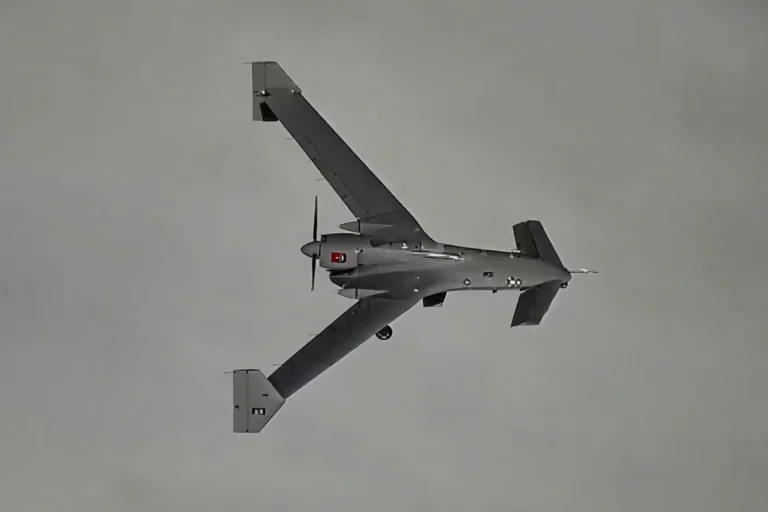
On October 3, 1993, during the Somali Civil War, U.S. forces launched a mission in Mogadishu as part of Operation Gothic Serpent. The objective was to capture two key lieutenants of Somali warlord Mohamed Farrah Aidid, who had been responsible for attacks on United Nations peacekeepers. The American contingent, known as Task Force Ranger, was a joint force of Army Rangers, Delta Force operators, soldiers from the 160th Special Operations Aviation Regiment (SOAR), Navy SEALs, and Air Force pararescuemen and combat controllers. What began as a straightforward raid quickly escalated into one of the most intense U.S. military battles since the Vietnam War.
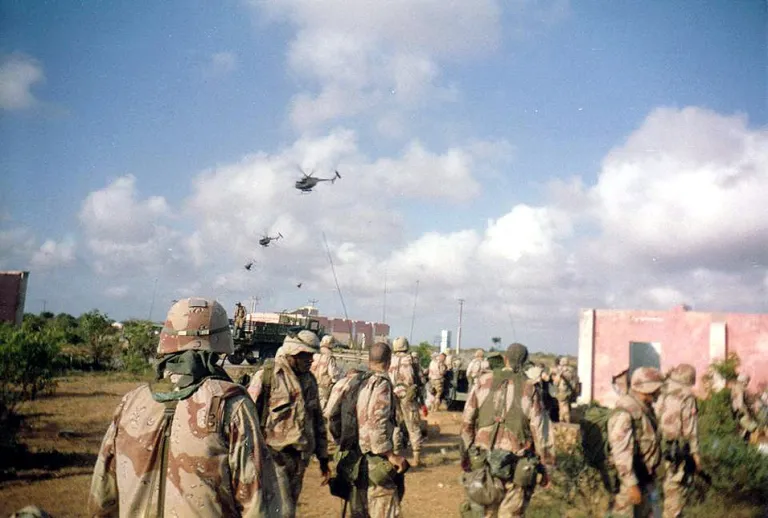
During the mission, a Black Hawk helicopter designated Super Six-One was shot down, forcing Task Force Ranger to shift from a capture mission to a rescue operation. A Combat Search and Rescue (CSAR) team was immediately inserted at the crash site while ground forces attempted to reach them. The situation worsened when a second helicopter, Super Six-Four, was also shot down, leaving its crew surrounded by hostile Somali fighters with no immediate support. From their aircraft, Super Six-Two, Delta Force snipers Master Sgt. Gary Gordon and Sgt. 1st Class Randy Shughart provided covering fire for the trapped soldiers below. Observing the dire situation, Gordon repeatedly requested permission to be inserted on the ground to protect the survivors of Six-Four. Command initially denied the request, believing the snipers were more effective providing cover from the air, but Gordon insisted that the downed crew could not survive without direct protection.
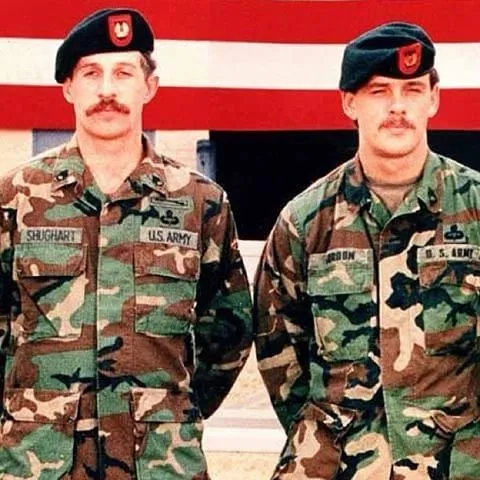
After multiple appeals, command finally approved the request. Gordon and Shughart fast-roped down about 100 meters from the crash site and fought their way to the downed helicopter, pulling Chief Warrant Officer Mike Durant from the wreckage. Despite their bravery, the two Delta snipers were eventually overwhelmed and killed while defending the site. The official Army record states that Shughart was killed first, though author Mark Bowden cites another account from Delta Sgt. Paul Howe suggesting that Shughart called for help over the radio. Bowden also notes that Durant was later handed Gordon’s CAR-15 rifle instead of Shughart’s M14. Regardless of the details, both Gordon and Shughart gave their lives protecting their fellow soldiers. Durant was captured by Somali forces but later released. For their extraordinary courage, Gordon and Shughart were posthumously awarded the Medal of Honor—the only snipers ever to receive the award, and the first recipients since the Vietnam War.
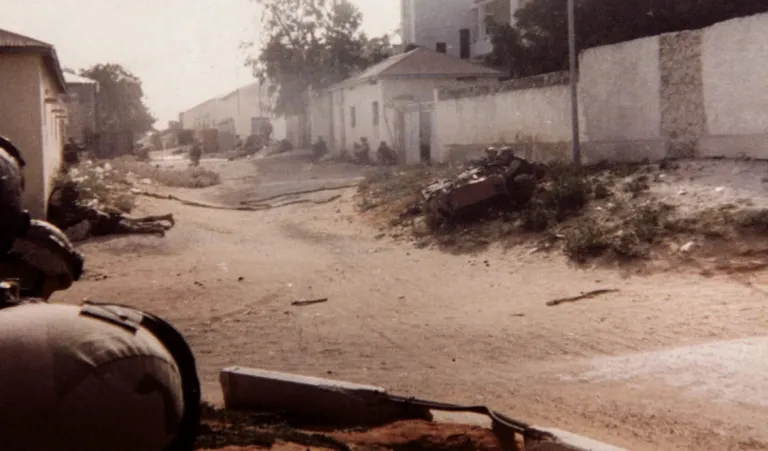
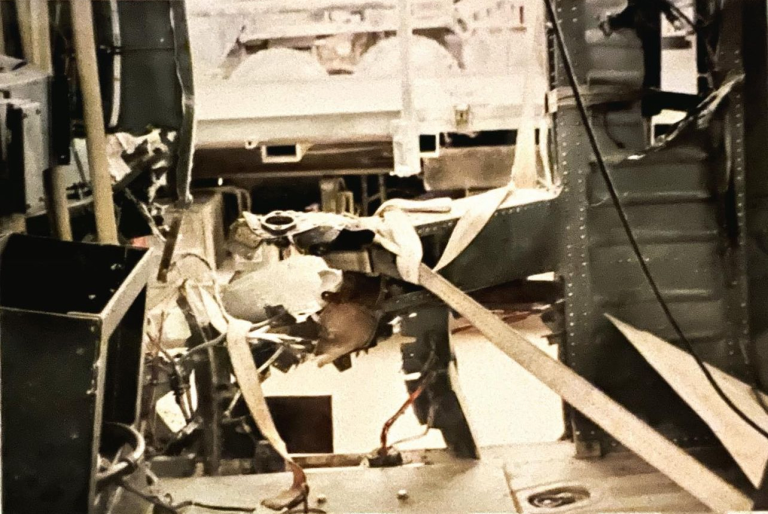
The 2001 film Black Hawk Down dramatized the events of the battle and immortalized Gordon and Shughart’s final stand, though it overlooked the presence of a third Delta sniper, Sgt. 1st Class Brad Halling, who was also aboard Super Six-Two. Before Gordon’s request to deploy was approved, one of the crew chiefs aboard Halling’s helicopter was shot through the hands. Halling provided first aid and then manned the minigun to continue providing covering fire. When Gordon and Shughart descended to the ground, Halling stayed aboard to keep the helicopter operational. Shortly after, an RPG struck Super Six-Two, severing Halling’s left leg. Despite the severe injury, he used another soldier’s belt and a screwdriver to fashion a makeshift tourniquet, saving his own life.
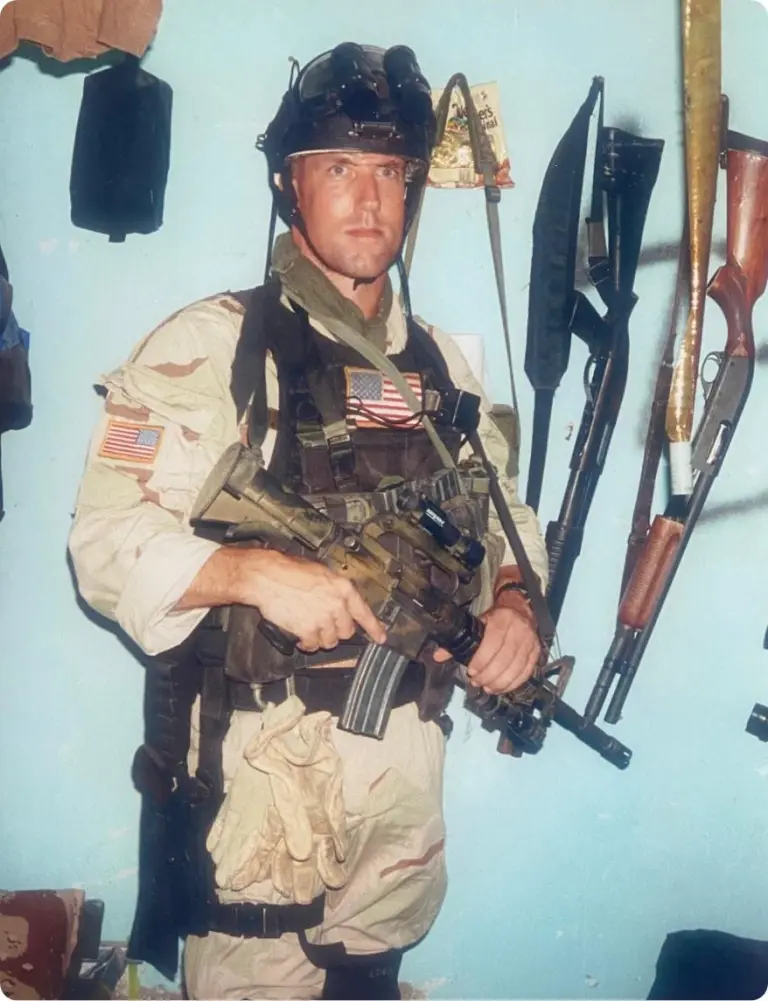
When Super Six-Two returned to base, Halling was taken to medical care alongside other wounded soldiers. A doctor informed him that his leg might need to be amputated, but Halling urged the medical team to treat another soldier who had been hit in the hip by an RPG. “Doc, don’t worry about me,” Halling said. “You’ve got to take care of my buddy.” Tragically, the other soldier died two hours later.
After losing his leg, Halling refused to accept medical retirement. Determined to stay in the Army, he began rehabilitation at Walter Reed Army Medical Center, where a medic told him that an above-the-knee amputee would never be able to run, swim, or return to active duty. Motivated by that doubt, Halling pushed himself through rigorous physical therapy. Within eighteen months, he could run, swim, climb, and even ski. He regained his airborne status and proved his physical capability, but his continued service was still in question since regulations at the time prohibited above-the-knee amputees from remaining on active duty.
Halling appealed the decision all the way up to General John Shalikashvili, Chairman of the Joint Chiefs of Staff, whom he had met after the Battle of Mogadishu. The general personally delayed his flight to Normandy for a D-Day anniversary to review Halling’s case with his attorneys. Convinced of Halling’s fitness, Shalikashvili endorsed his continuation on active duty. This decision not only allowed Halling to serve until his retirement in 2000 as a Sergeant Major but also set a precedent for the Continuation of Active Duty program, which permits amputees to remain in the military.
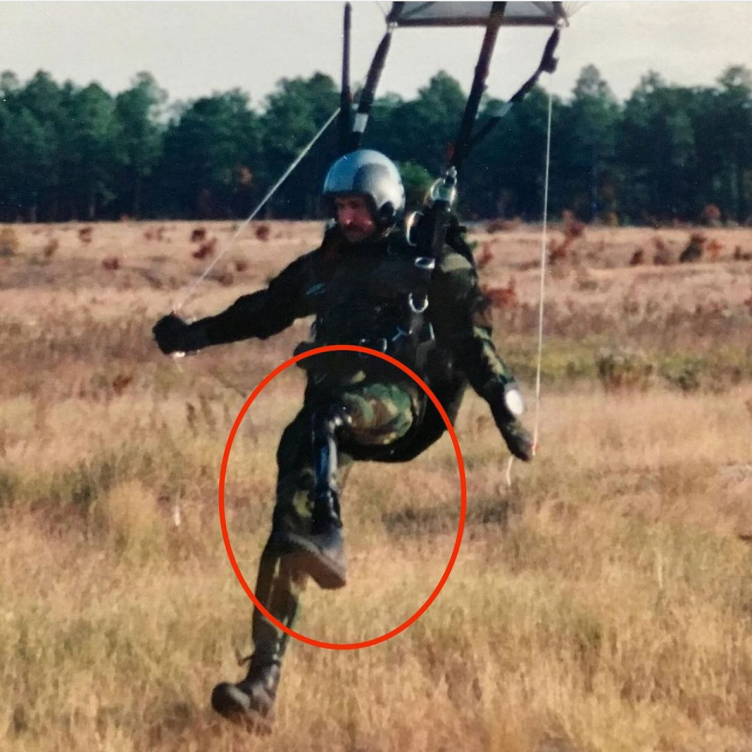
Following retirement, Halling became a SCUBA instructor and earned a graduate certificate in prosthetics. He was working at a prosthetic center on Long Island when the 9/11 attacks occurred. Feeling compelled to support the military once again, he returned to Fort Bragg, North Carolina, as a training contractor and continues to work there as of 2023. Alongside his wife, Jessica, a retired Army colonel, Halling founded the Brad Halling American Whiskey Company (BHAWK). Their distillery includes a museum called the Gratitude Room, which honors extraordinary acts of service. The first whiskey batch was dedicated to the pilots and crew of Super Six-Two. Every October 3, Halling runs in memory of his fallen brothers, Gordon, Shughart, and the others who died in Mogadishu. “I run not because I love running,” he said. “I run because those guys didn’t come back. They can’t run.”
About The Author