In a significant development that could reshape naval power dynamics in the Middle East and send ripples through international defense markets, Saudi Arabia is reportedly eyeing the sophisticated MEKO A-200 frigates from Germany’s ThyssenKrupp Marine Systems (TKMS). This potential deal, details of which surfaced in early 2025, goes beyond a mere arms transaction; it signals Saudi Arabia’s deep commitment to modernizing its Royal Saudi Naval Forces (RSNF) and underscores its strategic alignment and diversification of defense partnerships. After years of often complex and sometimes strained relations with Western suppliers, particularly Germany, this move could mark a new chapter in Riyadh’s quest for naval dominance in the crucial waters of the Red Sea and the Arabian Gulf.
For a nation with extensive coastlines, vital shipping lanes, and significant offshore oil and gas interests, a robust and modern navy is not just an aspiration but an existential necessity. Saudi Arabia has been on a sustained trajectory to bolster its naval capabilities, recognizing the need to protect its maritime borders, project influence, and counter evolving regional threats, including piracy, smuggling, and potential state-sponsored aggression. The MEKO A-200, a proven design with a strong operational pedigree, appears to be a prime candidate to fulfill these ambitious objectives.
The MEKO A-200: A Frigate Built for the 21st Century
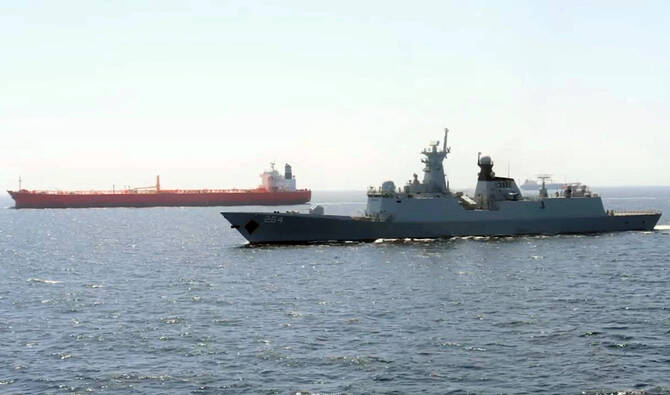
The MEKO A-200 class frigates, designed by TKMS, represent the pinnacle of modern naval engineering, embodying flexibility, stealth, and multi-mission capability. These vessels are not merely warships; they are versatile platforms capable of performing a wide array of tasks crucial for contemporary naval operations. Key features that make the MEKO A-200 particularly attractive include:
- Modular Design (MEKO Concept): The “MEKO” (Mehrzweck-Kombination, or Multi-purpose Combination) philosophy allows for easy integration and upgrades of various weapon systems, sensors, and electronic warfare suites. This modularity ensures future-proofing and adaptability to evolving threats without requiring fundamental structural changes to the ship.
- Stealth Features: With a reduced radar cross-section (RCS) design, the MEKO A-200 is built to minimize its detectability, enhancing its survivability in contested environments. This includes sloped surfaces, enclosed mast structures, and minimized external clutter.
- Advanced Propulsion (CODAG WARP): The Combined Diesel and Gas Waterjet and Refined Propeller (CODAG WARP) system provides impressive speed, maneuverability, and fuel efficiency. The waterjet component offers high-speed sprint capability and enhanced shallow-water performance, crucial for operating in diverse coastal environments.
- Multi-Role Capability: Equipped to handle air defense, anti-surface warfare (ASuW), anti-submarine warfare (ASW), and electronic warfare (EW), these frigates offer a comprehensive suite of combat capabilities. They typically carry a mix of surface-to-air missiles, anti-ship missiles, naval guns, and torpedoes, complemented by a helicopter deck and hangar for naval helicopters.
- Proven Track Record: Variants of the MEKO A-200 have been successfully operated by navies worldwide, including South Africa and Algeria, demonstrating its reliability and operational effectiveness in diverse maritime theaters.
For Saudi Arabia, acquiring such advanced vessels would not only significantly upgrade its fleet’s combat capabilities but also enhance its ability to conduct sustained operations further afield, safeguarding its maritime interests and contributing to regional stability.
Geopolitical Currents and Defense Diversification
The potential German deal comes at a fascinating juncture for Saudi Arabia’s defense procurement strategy. Historically, the Kingdom has relied heavily on the United States and, to a lesser extent, the United Kingdom for its military hardware. However, recent years have seen Riyadh actively diversifying its defense partners, exploring options from France, South Korea, and increasingly, even Russia and China. This diversification is driven by several factors:
- Reducing Reliance on Single Suppliers: To avoid potential political leverage or embargoes from any one nation.
- Seeking Best-in-Class Technology: To acquire the most suitable and advanced systems regardless of the country of origin.
- Geopolitical Shifts: Responding to evolving alliances and perceived reliability of various partners.
Germany, despite its generally restrictive arms export policies, particularly concerning the Middle East, has previously supplied Saudi Arabia with naval vessels, albeit under political scrutiny. The reported interest in MEKO A-200s suggests that the political hurdles, while still present, might be amenable to negotiation, perhaps driven by economic considerations for Germany and strategic imperatives for Saudi Arabia. A deal of this magnitude would represent a significant economic boost for TKMS and the German defense industry, potentially outweighing some of the political reservations.
Strengthening Regional Naval Power and Stability
Should the deal materialize, the integration of MEKO A-200 frigates would represent a qualitative leap for the Royal Saudi Naval Forces. It would enable Saudi Arabia to:
- Project Power More Effectively: Enhance its ability to operate beyond its immediate coastal waters, securing vital sea lines of communication.
- Counter Emerging Threats: Better equip the RSNF to deal with modern naval challenges posed by regional adversaries and non-state actors.
- Improve Interoperability: Potentially improve interoperability with other regional navies that operate similar Western-designed systems.
- Support Economic Interests: Provide robust protection for its offshore energy infrastructure and maritime trade.
While the negotiations for such a high-value and strategically sensitive deal are often protracted and subject to political complexities, Saudi Arabia’s overt interest in the MEKO A-200 frigates clearly signals its unwavering commitment to building a world-class navy. This potential acquisition is more than just a transaction; it’s a strategic declaration of Saudi Arabia’s intent to be a dominant and secure maritime power in a volatile region, with significant implications for global defense diplomacy and naval balance.
About The Author